 English
 中文简体
中文简体 русский
 Español
 عربى
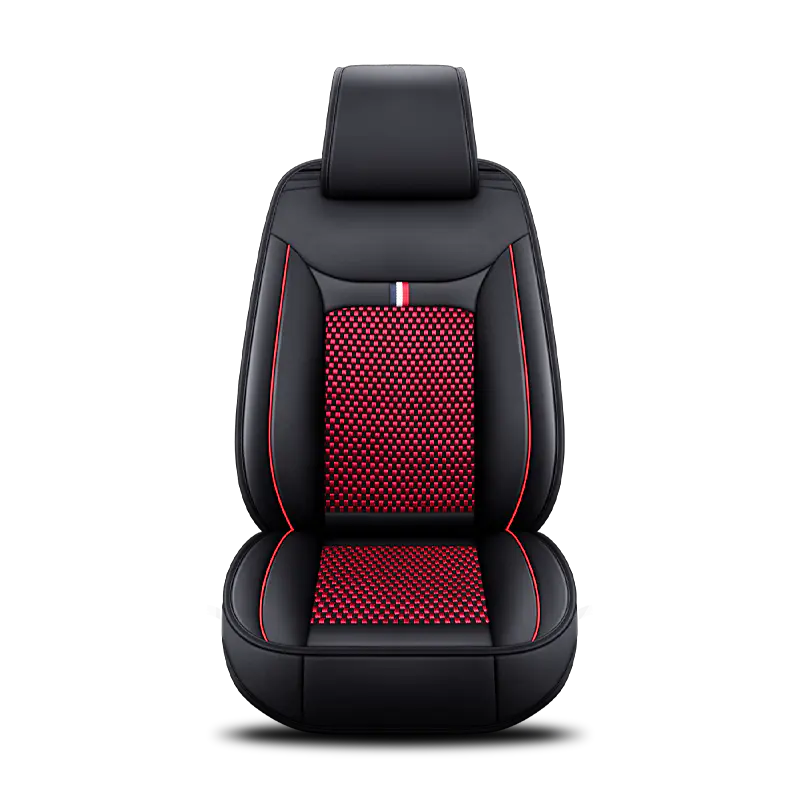
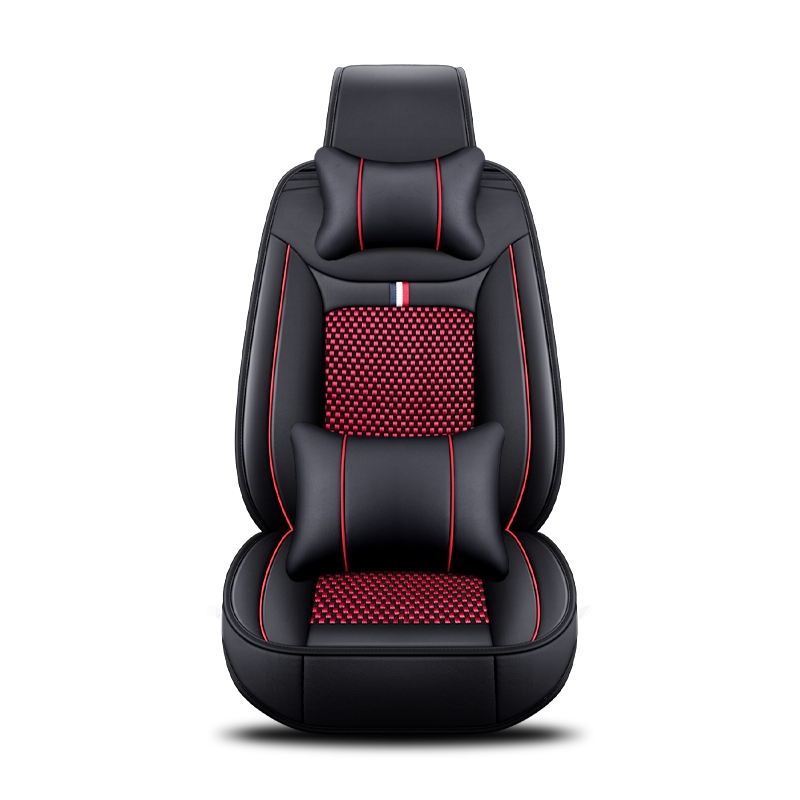
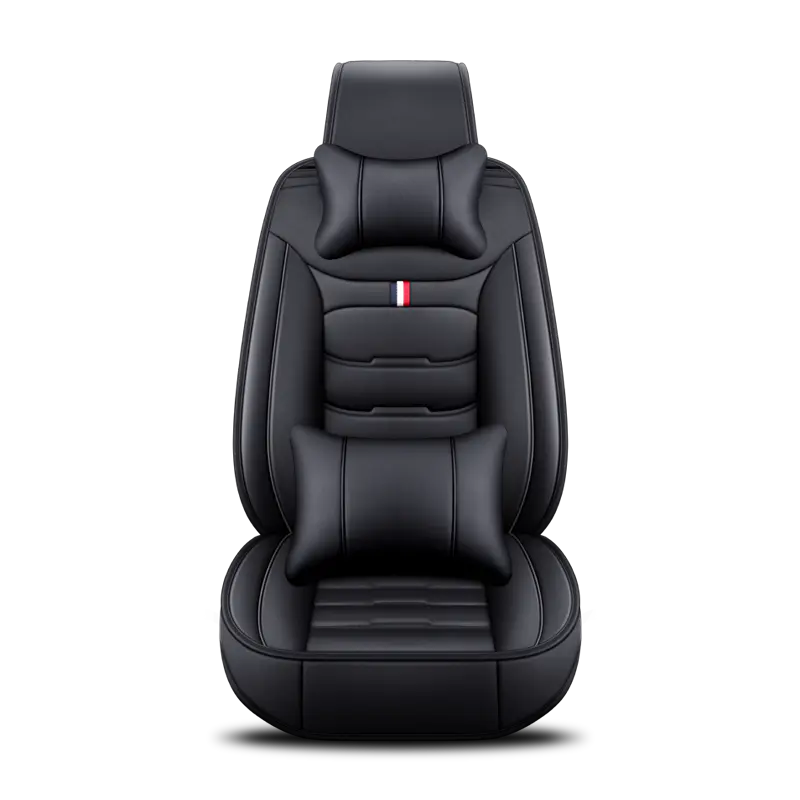
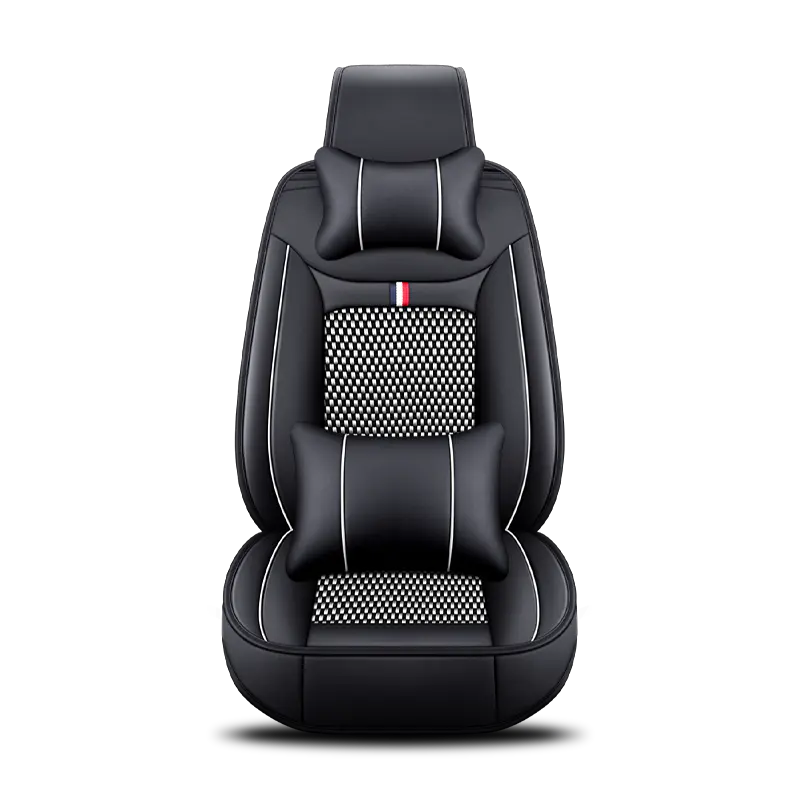
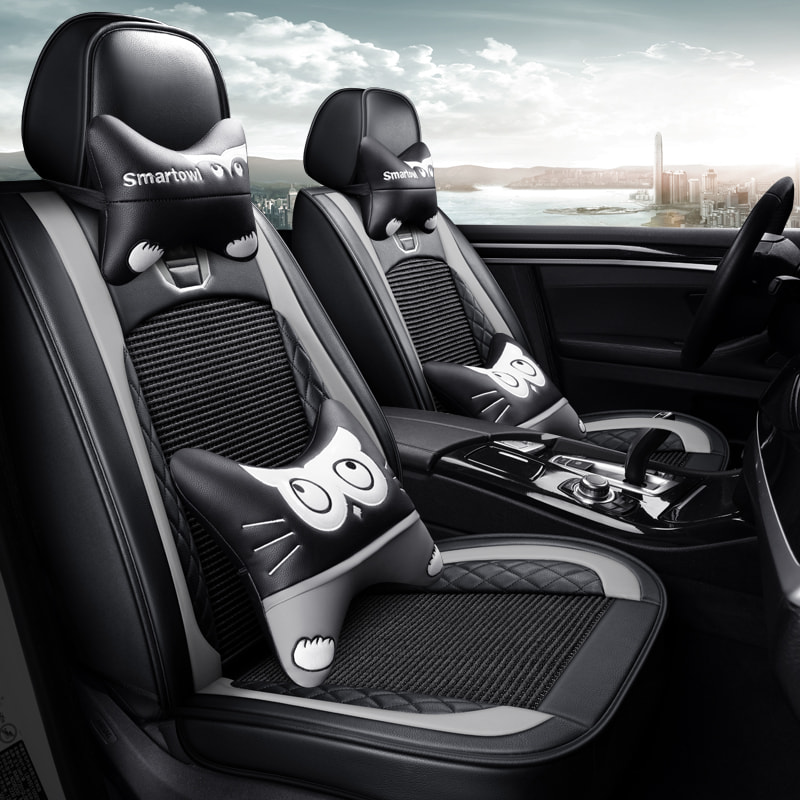
عربىCar interior materials are no longer judged only by appearance. Attention has shifted toward tactile response, thermal behavior, and long-term surface stability. A Nappa Leather Car Seat Pads setup is often discussed because it sits in a category where luxury perception and measurable comfort performance overlap—but do not always match expectations.
The “difference” people notice within seconds of sitting usually comes from material engineering choices rather than branding language. Once broken down, the experience becomes easier to understand.
Fiber Density and Surface Elasticity
Nappa leather used in automotive seat pads is typically processed to maintain a tighter fiber structure with minimal surface correction. This creates a softer hand feel and more uniform grain behavior.
Key structural characteristics often include:
- Fiber weave density around 0.8–1.2 g/cm³ effective compactness range
- Thickness commonly between 1.2–1.4 mm
- Reduced mechanical sanding compared with corrected-grain leather
- Chrome-tanning process improving flexibility and bend resistance
This structure allows the material to deform slightly under pressure and return to shape faster. That elastic response is one reason drivers describe it as “buttery” or “more natural,” even though the base material is still animal hide.
The sensation difference is not just softness—it is controlled deformation under load.
Why Thermal Behavior Feels More Comfortable
Comfort perception in seat pads is heavily influenced by heat transfer speed. Nappa leather tends to respond differently compared to standard coated leather or synthetic alternatives.
Observed behavior in automotive testing conditions:
- Heat absorption is relatively fast, but surface heat distribution remains even
- Cooling transition time is shorter due to natural micro-porosity
- Surface temperature variation is reduced across contact zones
Studies and technical breakdowns of automotive Nappa finishes highlight moisture vapor transmission values in the range of 850–1,200 g/m²/24h, which is significantly higher than PU-coated leather systems.
This means perspiration does not remain trapped at the interface as long, reducing the sticky sensation often reported with synthetic seat covers. The effect is subtle but becomes noticeable on longer drives.
Why It Feels Softer Without Being Weak
Softness in Nappa leather seat pads is often misunderstood as reduced durability. In reality, softness is controlled through tanning chemistry and fiber alignment rather than weakening the structure.
Main contributors:
- Chrome or hybrid tanning reduces stiffness at molecular level
- Fatliquoring oils improve internal lubrication between fibers
- Minimal surface coating preserves natural flex instead of sealing it
Because of this, Nappa leather can feel more compliant while still maintaining tensile strength in the 8–12 MPa range depending on grade. That balance is why it appears in luxury automotive seating rather than purely decorative interiors.
However, the same softness also means the surface shows creasing earlier under repeated load cycles, especially on bolsters.
Interaction With Body Pressure and Seat Geometry
Seat pads are not passive surfaces—they constantly react to dynamic pressure changes from body movement, braking, and posture adjustments.
In real driving conditions:
- Hip and thigh zones experience repetitive pressure peaks
- Entry/exit points create localized folding stress
- Micro-sliding between clothing and surface generates friction wear
Nappa leather responds to these forces with gradual molding instead of rigid resistance. This is why some users feel the seat becomes “custom-shaped” over time.
But this adaptation also introduces long-term visual changes:
- Natural wrinkles form faster than on coated leather
- Gloss level shifts in high-contact areas
- Stitch-line stress becomes more visible over extended use
These are not defects; they are material behavior patterns tied to its flexibility profile.
Maintenance Sensitivity and Surface Stability
Unlike heavily coated leather, Nappa seat pads rely more on surface integrity than protective layers. That creates a different maintenance expectation.
Typical care behavior includes:
- Regular conditioning every 2–3 months to maintain fiber lubrication
- Mild cleaners preferred to avoid stripping natural oils
- UV exposure control becomes more important in long-term stability
Without maintenance, the material gradually loses surface elasticity, causing stiffness or uneven creasing patterns. This is why Nappa leather is often described as “high touch, moderate care” in automotive contexts.
Comfort vs Durability Trade-Off Reality
User discussions frequently highlight a contradiction: the same softness that improves comfort also increases visible aging.
Practical comparison patterns:
- Softer surface → better tactile comfort during daily use
- Less coating → faster visible wear on high-contact zones
- Higher breathability → improved temperature regulation but lower stain resistance
This trade-off is not a flaw in design but a material positioning choice. Manufacturers prioritize sensory comfort over purely mechanical longevity in this category.
It also explains why some vehicles offer both standard leather and Nappa upgrades—the difference is experiential, not purely structural.
Market Perception and Expectation Gap
A recurring issue in automotive interiors is that “Nappa” is often treated as a uniform quality label. In reality, it describes a processing style rather than a single standardized material grade.
That leads to mixed user feedback:
- Some drivers associate it with premium softness and luxury feel
- Others expect near-indestructible durability and minimal upkeep
- Differences in coatings between manufacturers amplify confusion
This perception gap is one reason seat pad buyers often report surprise after real-world usage.
Practical Takeaway on Real Usage
Nappa leather seat pads are understood as a comfort-focused material system rather than a durability-first surface. The difference people feel is a combination of:
- Controlled fiber looseness
- Higher breathability
- Faster temperature adaptation
- Reduced artificial surface sealing
The result is immediate tactile comfort that feels more organic, especially during long contact periods.
That experience comes with the trade-off of more visible aging patterns and a slightly higher care requirement, but the underlying structure remains stable when properly maintained.