 English
 中文简体
中文简体 русский
 Español
 عربى
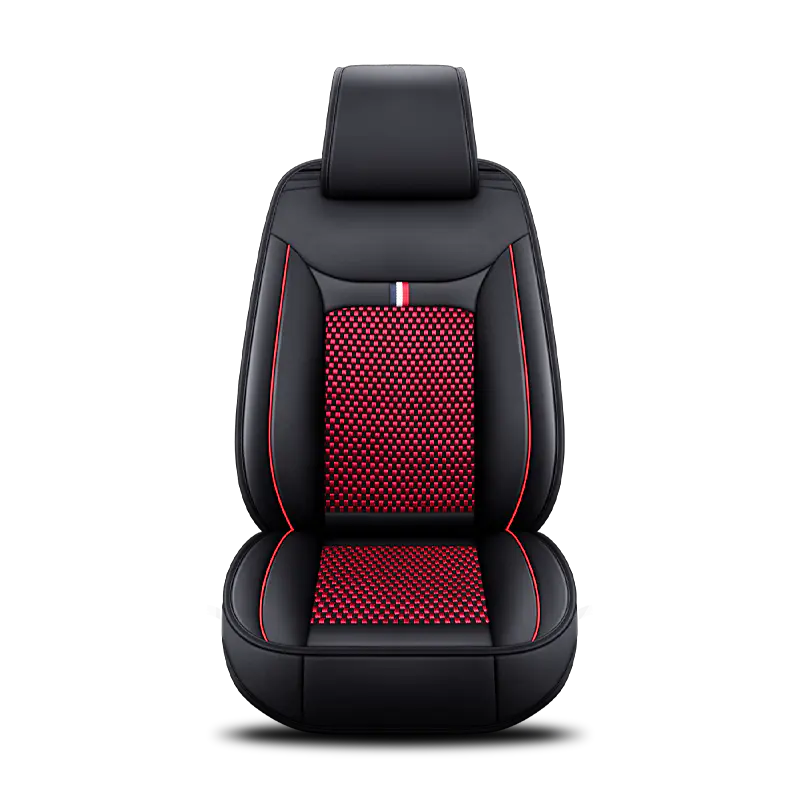
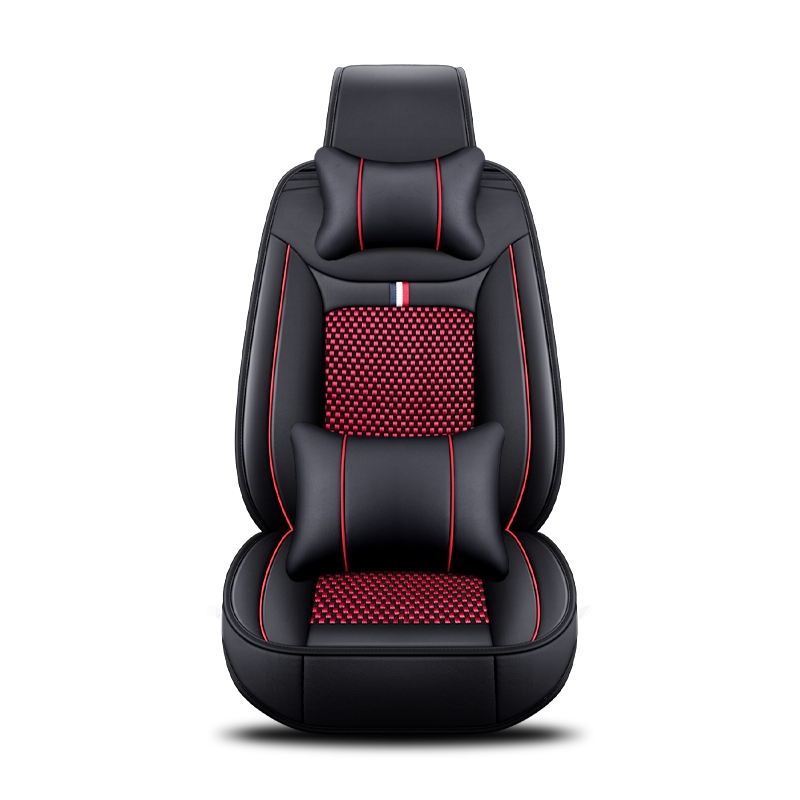
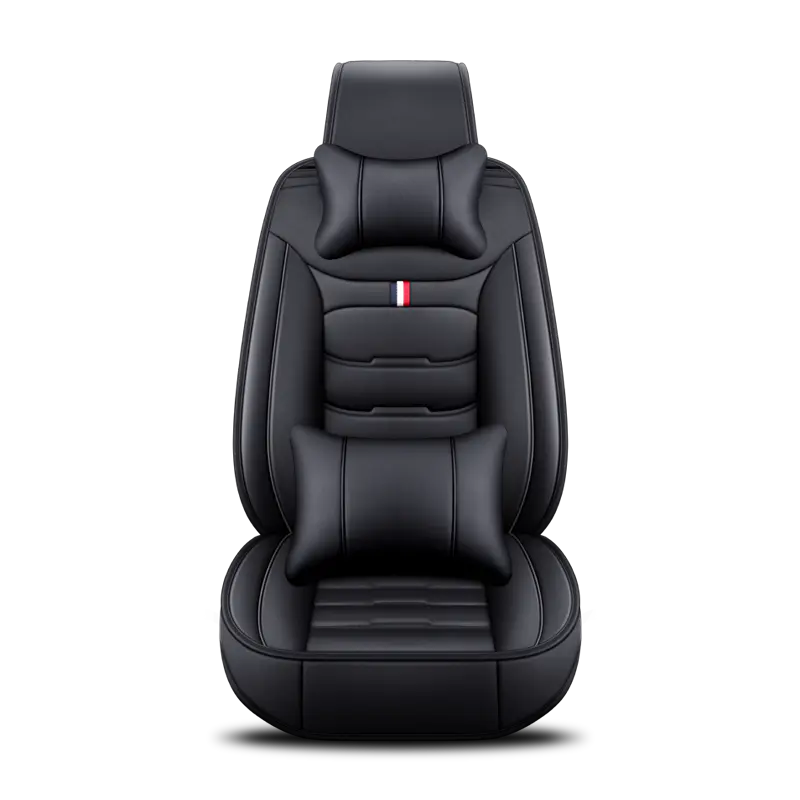
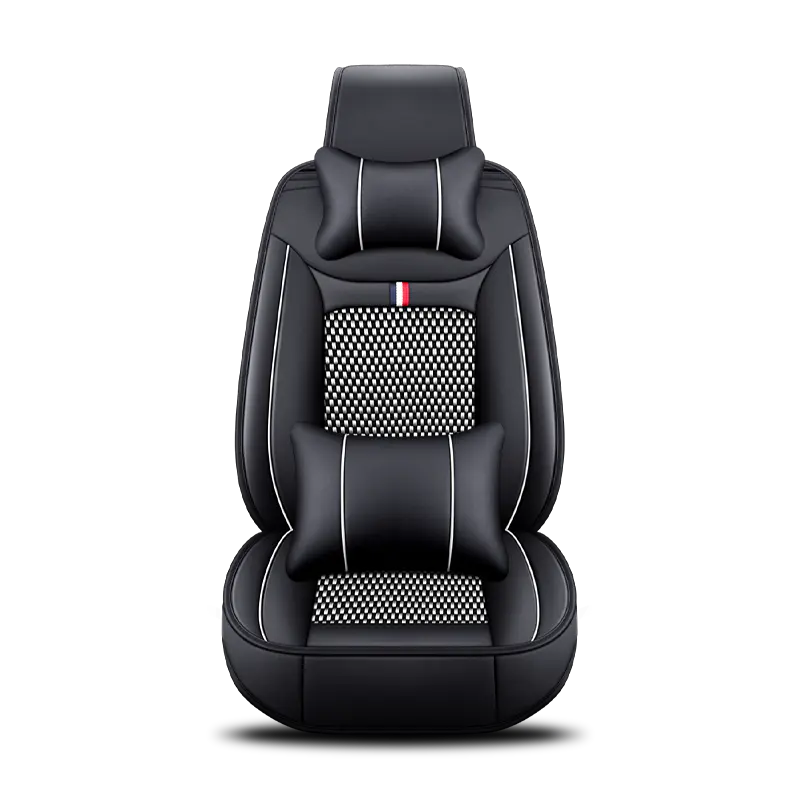
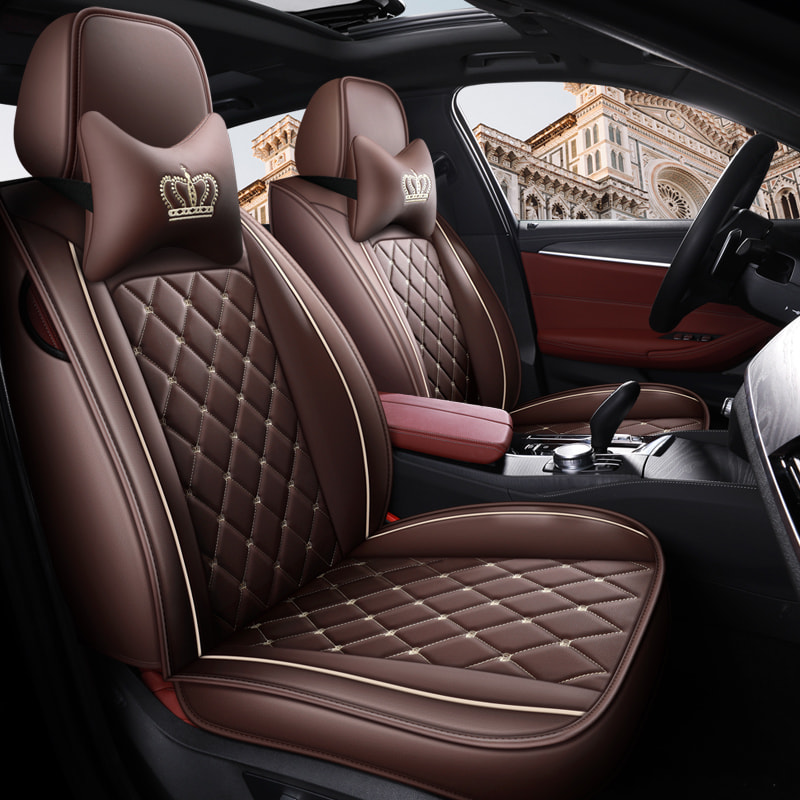
عربىModern car interiors have shifted from simple comfort to a mix of material science, thermal engineering, and long-term durability expectations. A Genuine Leather Auto Seat Cushion sits right in the middle of that evolution, often promoted as a premium upgrade—but the real value depends on how it performs under daily stress, not just how it looks on day one.
Market feedback and material studies show a growing debate: genuine leather is still associated with luxury, yet drivers increasingly question whether it justifies its cost compared to engineered alternatives like Nappa leather, hybrid textiles, or ventilated composites. The discussion is no longer emotional—it is technical.
Material Structure and Real Composition
Genuine leather used in automotive cushions is typically corrected split hide or coated leather, not full-grain material. This distinction matters because:
- Surface layer is sanded and coated for uniformity
- Natural pores are partially sealed with polymer finishes
- Thickness usually ranges between 1.0–1.4 mm depending on grade
- Tensile strength averages 8–12 MPa in mid-grade automotive leather
These properties make the surface resistant to stains and abrasion but also reduce breathability compared to untreated hides. As a result, heat retention becomes a common complaint during long drives or summer conditions.
Some users interpret “genuine leather” as premium-grade full hide, but in automotive applications it often refers to any real animal-derived leather, which can vary significantly in softness and longevity.
Comfort Behavior Under Daily Driving Conditions
Comfort is where expectations often diverge from reality. A genuine leather cushion behaves differently depending on climate, seat ventilation, and usage duration.
Key observations from user reports and material testing:
- Surface temperature can rise to 55–65°C in direct sunlight
- Cooling time after exposure averages 10–18 minutes
- Friction coefficient increases slightly after coating wear begins
- Initial firmness decreases after approximately 3–6 months of use
The main comfort issue is not softness—it is thermal responsiveness. Leather tends to absorb heat quickly but releases it slowly, which creates a “sticky contact layer” during humid conditions. This is particularly noticeable on darker interior colors.
Durability vs Aging Pattern
Durability is often misunderstood in leather products. Genuine leather does not simply “wear out”—it changes structurally over time.
Two aging patterns typically appear:
1. Controlled patina development
- Surface becomes smoother
- Color deepens slightly
- Flexibility remains stable
This is more common in higher-grade hides with lighter coatings.
2. Coating fatigue and micro-cracking
- Visible cracks along seat bolsters
- Loss of gloss in high-contact zones
- Edge peeling near stitching lines
Automotive usage accelerates wear in areas with repeated pressure cycles. The seat bolster region experiences higher stress due to entry and exit movement, where localized pressure can exceed 3–5 times body weight impact load.
Functional Trade-offs in Real Applications
Genuine leather cushions are not purely aesthetic products—they interact with seat structure, posture, and even vehicle safety systems.
Practical advantages include:
- Good resistance to liquid penetration (initial phase)
- Stable surface friction for controlled seating position
- Compatibility with heated seat systems
However, limitations become clearer over time:
- Reduced airflow compared to mesh or ice silk hybrids
- Sensitivity to UV exposure without protection coatings
- Maintenance dependency increases after surface coating degrades
One overlooked factor is micro-climate formation between cushion and seat. Even small gaps can trap humidity, which gradually affects both leather cushion and original seat upholstery underneath.
Maintenance Requirements and Real Ownership Cost
Maintenance is often underestimated at purchase stage. Genuine leather cushions require periodic care to maintain structural stability.
Typical maintenance cycle:
- Surface cleaning: every 1–2 weeks
- Conditioning treatment: every 2–3 months
- UV protection treatment: seasonal (especially summer)
Failure to maintain leads to faster drying of surface oils, resulting in stiffness and eventual cracking. While cleaning products are widely available, consistent application is necessary to preserve elasticity.
From a cost perspective, maintenance adds a hidden layer of ownership expense that is not always reflected in initial pricing.
Comparison Pressure from Modern Hybrid Materials
Recent product trends show increasing competition from Leather & Ice Silk Car Seat Covers, which combine surface durability with thermal regulation. Hybrid structures often achieve:
- Lower surface temperature by 6–9°C under sunlight exposure
- Higher breathability due to woven textile cores
- Faster drying after moisture exposure
Compared to these, genuine leather focuses more on tactile luxury than climate adaptability. This is why it still appears frequently in premium vehicles but less often in high-performance commuter-focused interiors.
User Expectation Gap in Real Markets
A consistent pattern in user feedback is expectation mismatch. Many buyers expect:
- Full-grain luxury feel
- Maintenance-free performance
- Long-term crack resistance
In reality, genuine leather delivers:
- Moderate luxury feel
- Medium maintenance requirement
- Performance dependent on environmental conditions
This gap explains why many discussions around automotive interiors now emphasize material transparency rather than branding terms.
Final Perspective on Value
A genuine leather seat cushion remains relevant, but its value depends heavily on usage style and environment rather than material prestige alone. It performs ideally in controlled conditions, moderate climates, and vehicles where tactile feel is prioritized over thermal efficiency.
For drivers focused on long-term comfort stability, hybrid solutions or higher-grade Nappa alternatives often provide a more balanced experience. However, for users who value traditional leather texture and accept routine maintenance, genuine leather still holds a practical place in automotive interiors without being obsolete.