 English
 中文简体
中文简体 русский
 Español
 عربى
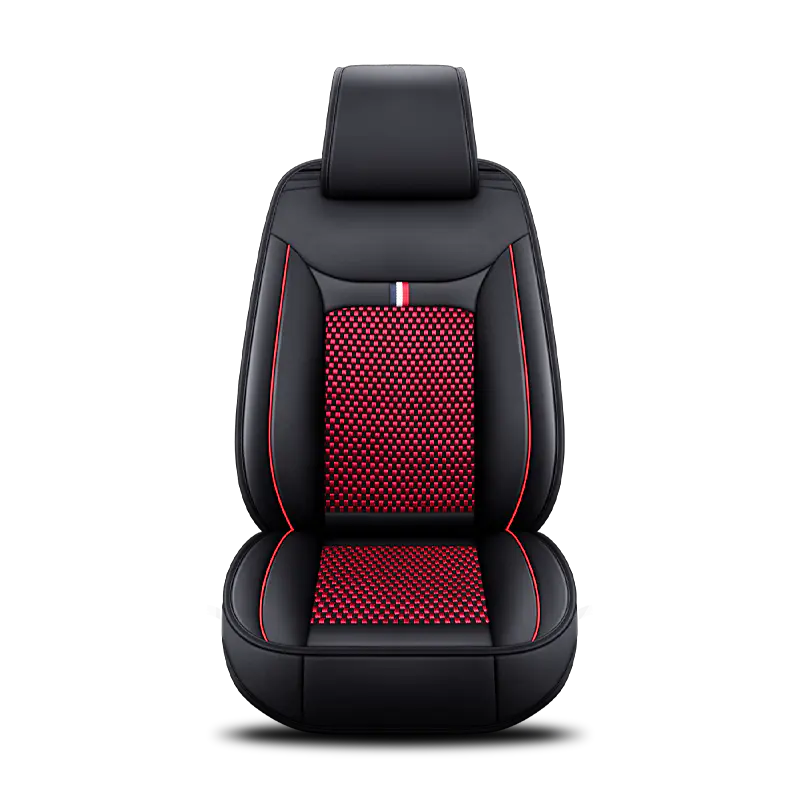
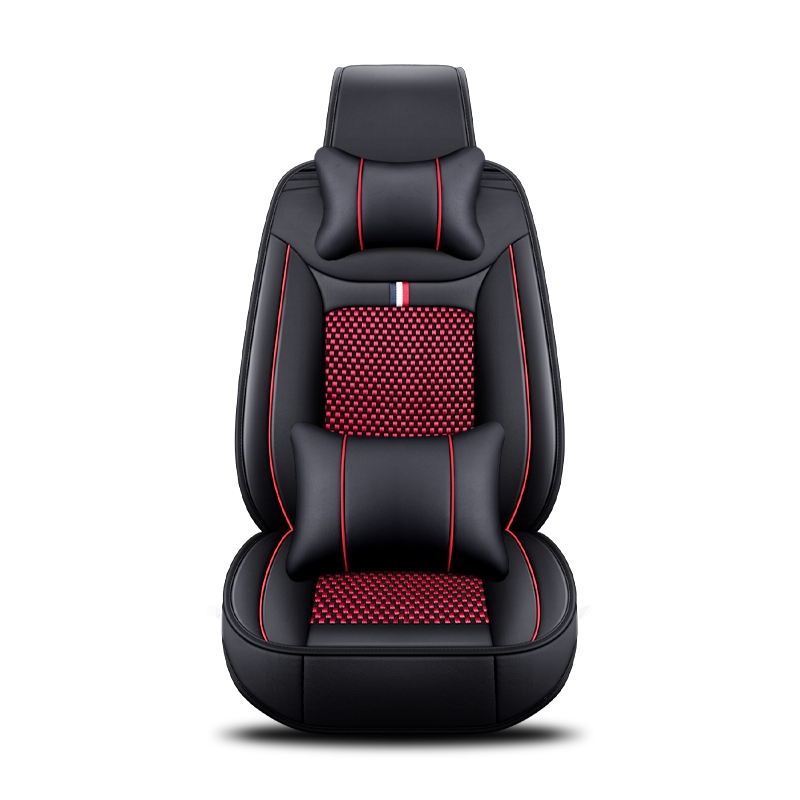
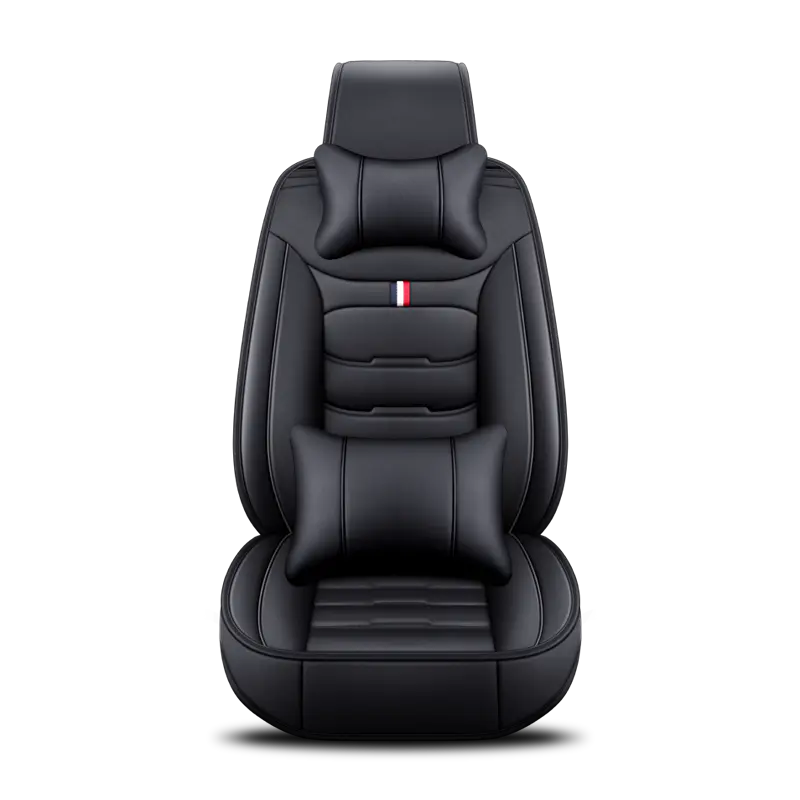
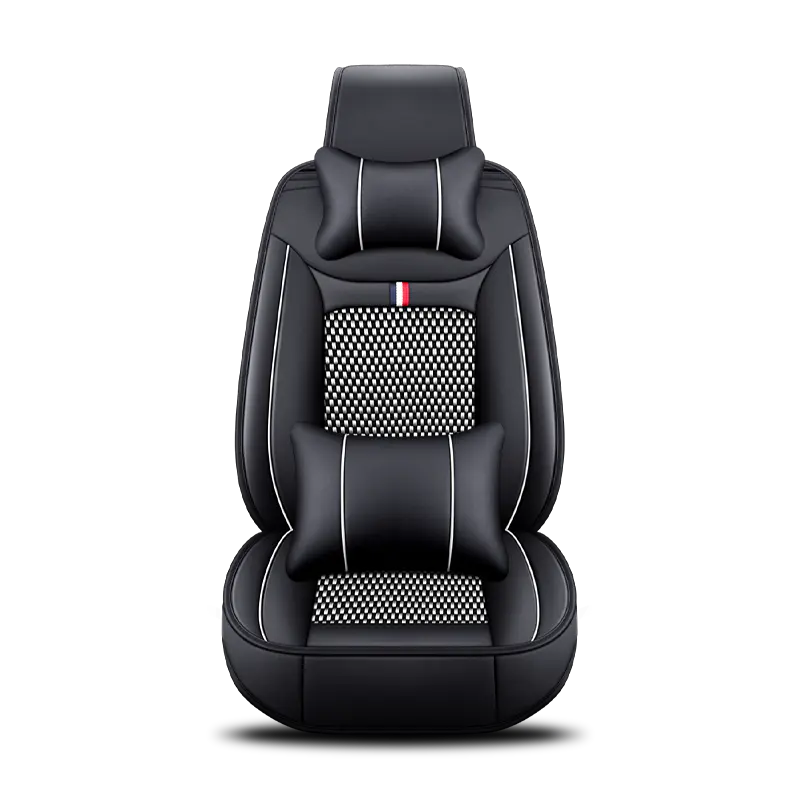
عربىAutomotive seating has been moving toward hybrid material systems that combine durability with thermal regulation. A Leather & Ice Silk Car Seat Cover represents discussed combinations in this category because it tries to solve two conflicting demands at the same time: premium surface texture and stable temperature control during real driving conditions.
The real question is not whether these materials look good together, but whether their layered structure can actually improve comfort consistency across different climates, driving durations, and user body types.
Layered Material Architecture and Functional Roles
The performance of leather and ice silk seat systems depends heavily on how each layer is engineered rather than the materials alone.
Typical construction includes:
- Top layer: synthetic or semi-synthetic leather (PU or modified PVC blend)
- Middle layer: elastic foam padding, usually 3–8 mm density-controlled polyurethane
- Contact layer: ice silk woven fabric (polyester or nylon microfilament blend)
- Base layer: anti-slip backing with silicone dots or textured rubber coating
This structure is designed to distribute function:
- Leather provides abrasion resistance and structural stability
- Ice silk handles direct skin contact and reduces friction
- Foam layer manages pressure distribution across seating zones
Material breakdown data from industry documentation shows ice silk fabrics use fine synthetic filaments that reduce surface friction and improve airflow compared to standard woven textiles, supporting faster moisture evaporation during long sitting periods.
The result is not a single material upgrade, but a multi-zone comfort system.
Thermal Behavior and Cooling Perception
One of the strongest selling points of ice silk-based seat covers is perceived cooling. This effect is not active cooling, but passive heat management.
Observed performance characteristics:
- Lower initial contact temperature compared to PU leather surfaces
- Faster heat dissipation due to fiber spacing and air permeability
- Reduced “heat trapping” effect in humid environments
Thermal studies on similar “ice leather” composite materials show surface temperature stabilization significantly lower than standard PU leather under sun exposure, sometimes by 10–15°C depending on conditions .
In practical driving terms, this translates into:
- Less initial discomfort after parking in sunlight
- Reduced sweat accumulation on seat contact zones
- More stable temperature feeling during stop-and-go traffic
However, cooling performance is highly dependent on airflow beneath the seat and cabin ventilation. Without circulation, even breathable fabrics eventually reach thermal equilibrium with body heat.
Comfort Distribution Under Real Driving Load
Comfort is not only about softness; it is about how pressure is distributed over time.
Leather & ice silk seat covers typically improve comfort in three measurable ways:
1. Pressure dispersion
- Foam layer reduces localized hip pressure
- Weight spreads across a wider surface area
- Reduces fatigue during long drives
2. Friction control
- Ice silk reduces micro-resistance between clothing and seat
- Less skin drag during posture adjustments
- Helps maintain stable seating position without “stick-slip” sensation
3. Vibration buffering
- Multi-layer padding absorbs minor road vibrations
- Reduces high-frequency feedback from road texture
However, excessive padding thickness can interfere with OEM seat ergonomics. Many vehicle seats are designed with precise lumbar and thigh angles, and overly thick overlays may slightly alter posture alignment over time.
Breathability Trade-Offs Between Materials
The biggest engineering compromise in leather + ice silk systems is airflow restriction caused by synthetic leather panels.
Key behavior differences:
- Ice silk zones: high breathability, moisture wicking, fast evaporation
- Synthetic leather zones: low permeability, high stain resistance
- Foam core: moderate airflow blockage depending on density
Composite testing shows that breathable textile zones improve moisture transfer efficiency, while leather sections act as protective barriers but limit airflow in those areas .
This creates a “mixed environment”:
- Central seating zones feel cooler
- Side bolsters retain more heat
- Temperature balance depends on seat design ratio
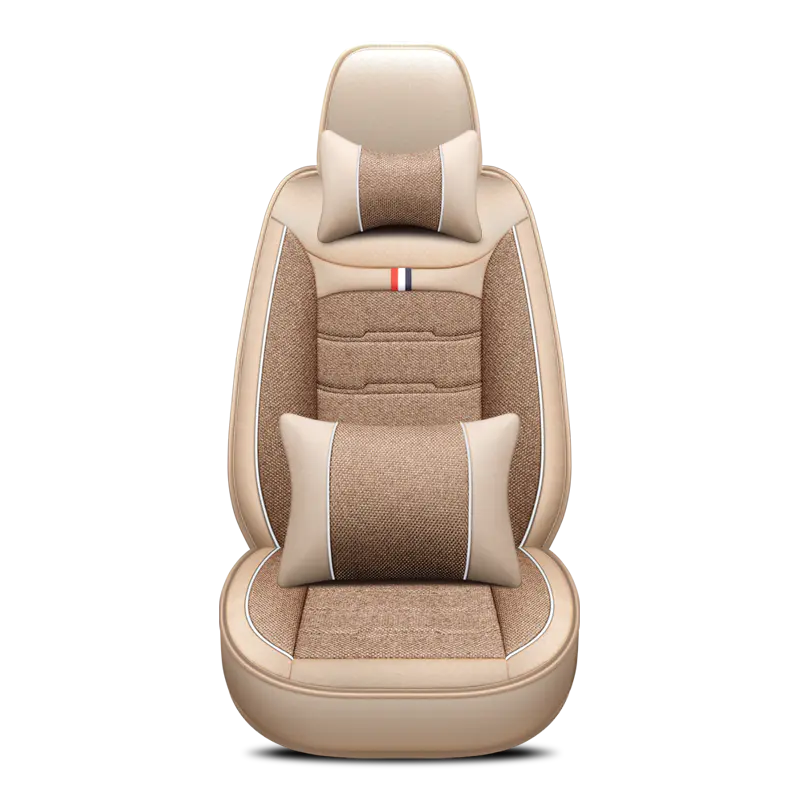
Good designs usually place ice silk in high-contact zones (seat center and backrest) while using leather on edges for durability.
Fit Stability and Real-World Usage Issues
Comfort performance is directly influenced by installation stability. Even high-quality materials underperform if the cover shifts during driving.
Common real-world issues include:
- Slight sliding under braking or acceleration
- Wrinkling caused by imperfect seat contour matching
- Misalignment with built-in seat ventilation channels
- Interference with seat airbags or adjustment rails in poorly designed models
Research on seat cover applications shows that universal-fit cushions may not conform accurately to complex seat geometries, especially those with integrated safety systems or contoured bolsters.
Stable installation systems typically require:
- Multi-point strap anchoring
- Anti-slip backing materials
- Precise model-specific tailoring
Without these, comfort benefits diminish quickly because movement introduces friction and pressure inconsistency.
Durability Expectations and Material Aging
Hybrid seat covers age differently depending on material balance.
Typical wear patterns:
- Ice silk: gradual fiber flattening, reduced cooling efficiency over time
- Synthetic leather: surface micro-cracking under UV and heat exposure
- Foam layer: compression loss after repeated pressure cycles
Lower-density foam may permanently compress, reducing cushioning effectiveness and altering seating height over time .
Expected lifespan varies widely, but under normal usage conditions:
- Ice silk surface: moderate durability with gradual texture smoothing
- Leather sections: longer structural life but visible aging in high-contact zones
- Foam core: primary determinant of long-term comfort retention
Overall Comfort Value in Practical Driving
Leather & ice silk systems are not designed to outperform luxury OEM seats but to enhance mid-range seating comfort by combining:
- Heat reduction in contact areas
- Improved airflow where it matters
- Balanced cushioning without full seat replacement
The biggest improvement is perceived comfort consistency rather than absolute luxury feel.
Drivers tend to notice:
- Less temperature shock after entering parked vehicles
- Reduced fatigue on long commutes
- More stable seating feel across weather changes
The trade-off remains durability variability between layers, especially under strong sunlight exposure or heavy daily use.
Practical Perspective
A leather and ice silk configuration works ideal in vehicles used across mixed climates or frequent short-to-medium trips where temperature fluctuation is more noticeable than long-term structural wear.
Its advantage is not replacing OEM comfort systems, but enhancing surface interaction with the driver’s body in a way that feels more adaptive than single-material seat covers.