 English
 中文简体
中文简体 русский
 Español
 عربى
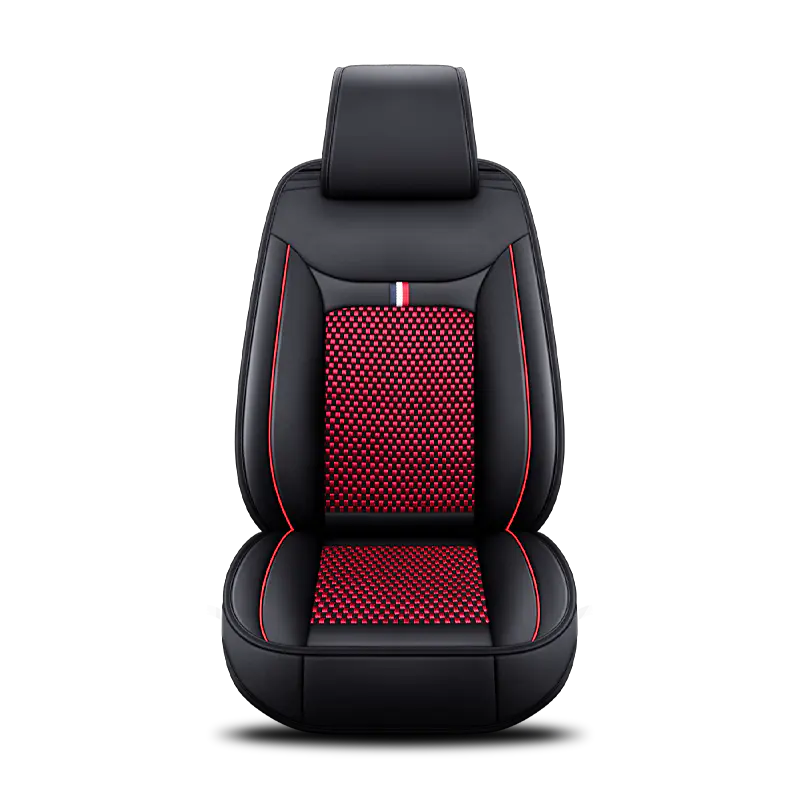
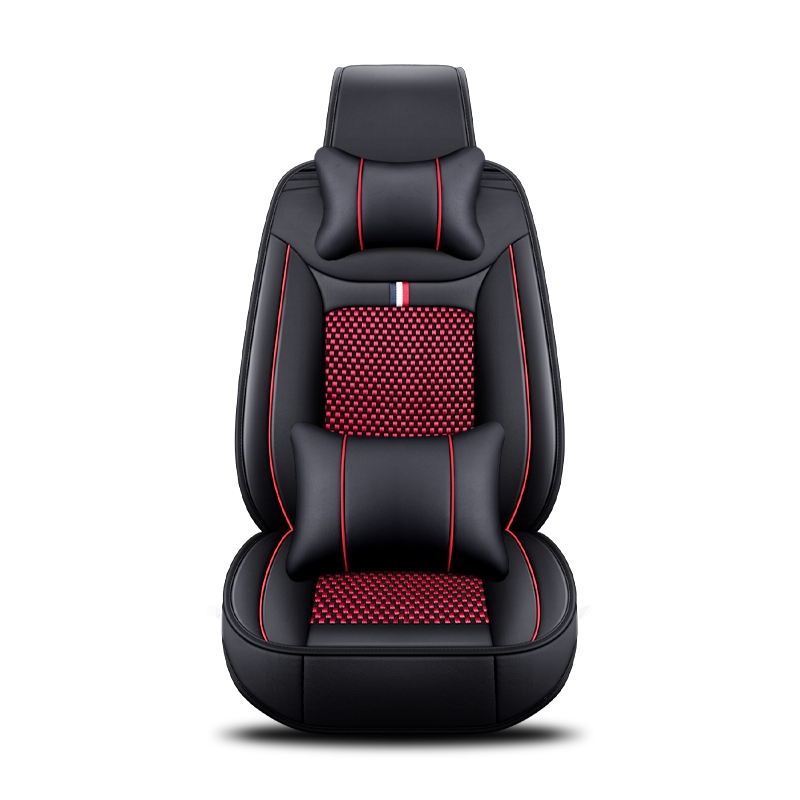
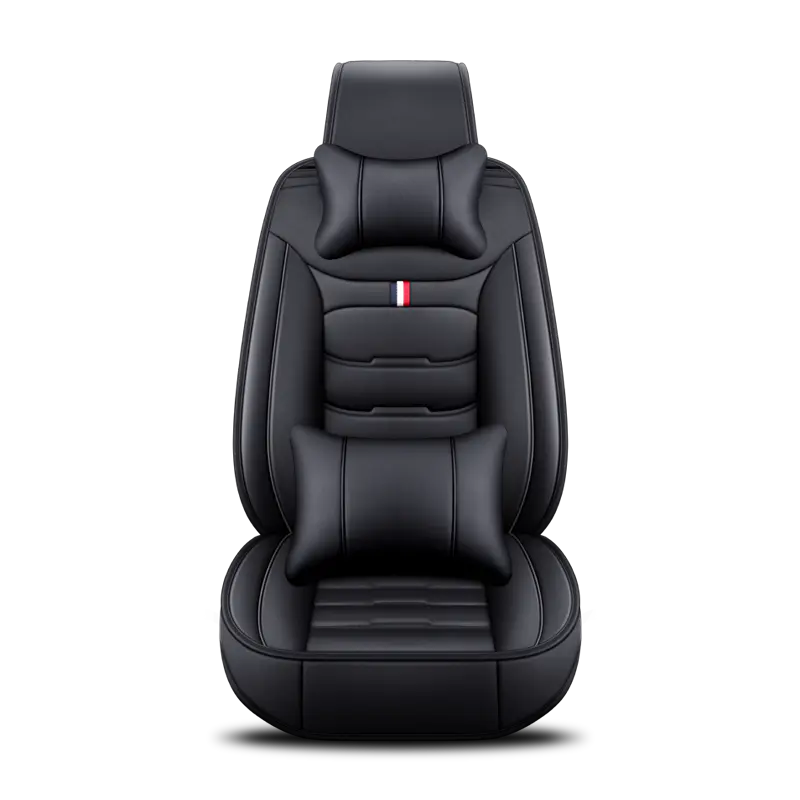
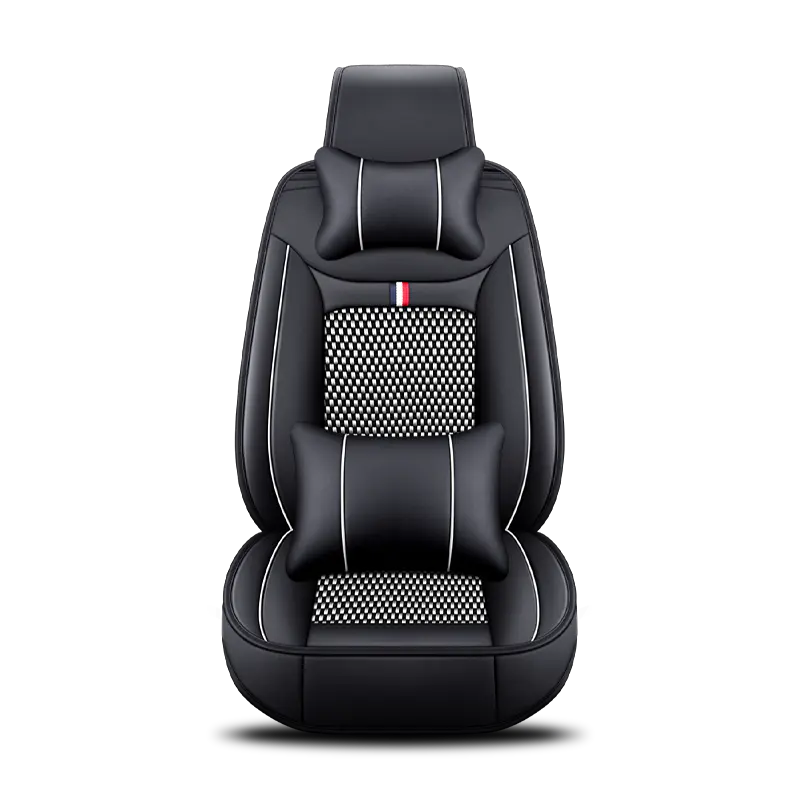
عربىAutomotive seat covers sit at the intersection of materials engineering, manufacturing precision, and quality control systems. Behind every Automotive Seat Cover Factory claim, there is a wide gap between basic assembly operations and fully integrated production environments capable of meeting OEM-level expectations.
Reliability in this industry is not defined by output volume alone, but by how consistently a factory can control material quality, stitching accuracy, durability testing, and safety compliance across different product categories such as leather, hybrid textiles, and multi-layer cushioning systems.
Manufacturing Capability and Production Structure
A dependable seat cover factory is usually structured into multiple specialized production zones rather than a single assembly line.
Typical internal divisions include:
- Cutting department (automatic CNC leather/textile cutting systems)
- Sewing department (multi-needle industrial machines)
- Laminating and bonding section (hot-melt or flame lamination lines)
- Foam shaping and compression molding units
- Final inspection and packaging area
Advanced factories often use digital pattern nesting systems to optimize material usage and reduce waste rates to around 5–8%, compared to higher loss rates in manual cutting environments.
Production stability depends heavily on synchronization between these departments. A delay or inconsistency in one stage can directly affect stitching alignment or final seat fit accuracy.
Material Control and Incoming Quality Standards
Material consistency is a critical indicator of factory reliability. Seat covers involve multiple material types, including:
- Genuine leather or Nappa-grade hides
- PU synthetic leather composites
- Ice silk or polyester mesh fabrics
- High-resilience polyurethane foam layers
- Reinforcement backing fabrics
Reliable factories typically implement incoming inspection standards such as:
- Thickness deviation control within ±0.1–0.2 mm
- Color difference testing under standardized D65 lighting
- Tensile strength verification for leather and textile layers
- Abrasion resistance testing using Martindale cycles
Factories that skip strict material screening often face downstream issues such as uneven stitching tension, surface wrinkling, or premature peeling after installation.
Precision in Pattern Engineering and Fitment Accuracy
One of the clearest differences between low-end and high-reliability manufacturers lies in pattern engineering accuracy.
Automotive seats are not uniform; they vary significantly across:
- Vehicle brand and model
- Seat generation (facelift vs pre-facelift designs)
- Integrated features (airbags, heating, ventilation systems)
Reliable factories use:
- 3D seat scanning systems
- Digital CAD pattern mapping
- Model-specific template libraries
Fit tolerance is typically controlled within 2–3 mm deviation range for high-precision production lines. Poorly engineered patterns result in:
- Loose fitting and surface shifting
- Misaligned seams over bolsters
- Obstruction of seat adjustment functions
This is why OEM suppliers prioritize digital pattern databases rather than manual sample replication.
Stitching Technology and Structural Strength
Stitching quality directly affects both appearance and structural durability. In automotive seat cover production, stitching is not purely decorative—it is a load-bearing element.
Key technical parameters include:
- Stitch density: typically 6–8 stitches per cm for reinforced seams
- Thread type: high-tenacity polyester or nylon thread
- Seam reinforcement: double stitching in high-stress zones
- Tension calibration: machine-controlled for uniform seam strength
High-reliability factories often apply lock-stitch systems combined with reinforced edge binding to prevent seam separation under repeated pressure cycles.
Areas such as seat bolsters and lumbar zones experience higher mechanical stress due to constant friction and body weight shifts during driving.
Quality Testing and Durability Simulation
A key feature of professional automotive seat cover factories is the presence of structured durability testing protocols rather than visual inspection alone.
Common tests include:
- Abrasion resistance testing (simulating years of entry/exit friction)
- Temperature cycling tests (high heat and cold exposure simulation)
- UV aging exposure (to evaluate color fading and cracking resistance)
- Load compression tests on foam layers
Industry-grade abrasion tests often simulate tens of thousands of cycles to evaluate how surface materials respond to long-term use.
Factories lacking these systems often rely on short-term appearance checks that do not capture real-world performance degradation.
Safety Integration and Vehicle Compatibility
Modern automotive seat covers must account for vehicle safety systems, especially side airbags and electronic seat functions.
Reliable factories design covers with:
- Pre-cut airbag deployment seams
- Tear-away stitching zones for rapid airbag release
- Non-interference layouts for seat sensors and heating systems
- Heat-resistant adhesives for electronic seat components
Failure to integrate safety considerations can result in regulatory non-compliance or functional risks during deployment events.
This aspect is particularly important in export-oriented manufacturing where different regions enforce varying safety standards.
Customization Capability and OEM Flexibility
A strong automotive seat cover factory is not limited to standardized products. Customization capability is a major indicator of maturity.
Common OEM/ODM services include:
- Vehicle-specific model adaptation
- Branding embossing or logo integration
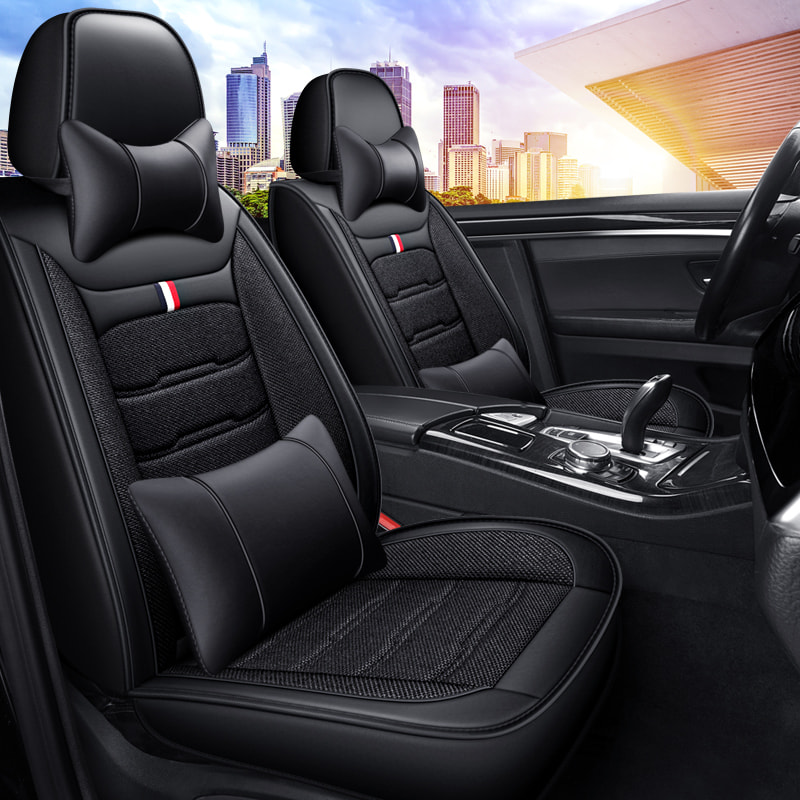
- Material substitution (leather, hybrid fabric, or mesh combinations)
- Color matching based on Pantone or OEM interior codes
- Packaging customization for retail or dealership channels
Factories capable of rapid prototyping—often within 7–15 days for sample development—tend to have stronger engineering teams and more advanced digital workflow systems.
Supply Chain Stability and Material Sourcing
Manufacturing reliability also depends on upstream supply chain control.
Stable factories maintain:
- Long-term leather and textile supplier partnerships
- Foam density consistency across batches
- Backup material sourcing channels
- Inventory buffering for high-demand production cycles
Supply instability often leads to batch-to-batch variation issues, such as color mismatches or inconsistent foam resilience, which directly impact product uniformity.
Real Indicators of a Reliable Factory
Beyond technical specifications, several operational signals help identify a dependable automotive seat cover manufacturer:
- Consistent batch-to-batch color and texture matching
- Low defect rate during final inspection (<2–3% in mature systems)
- Transparent testing documentation
- Stable delivery times under fluctuating order volumes
- Clear traceability from raw material to finished product
Factories lacking these systems often struggle with scalability and international market requirements.