 English
 中文简体
中文简体 русский
 Español
 عربى
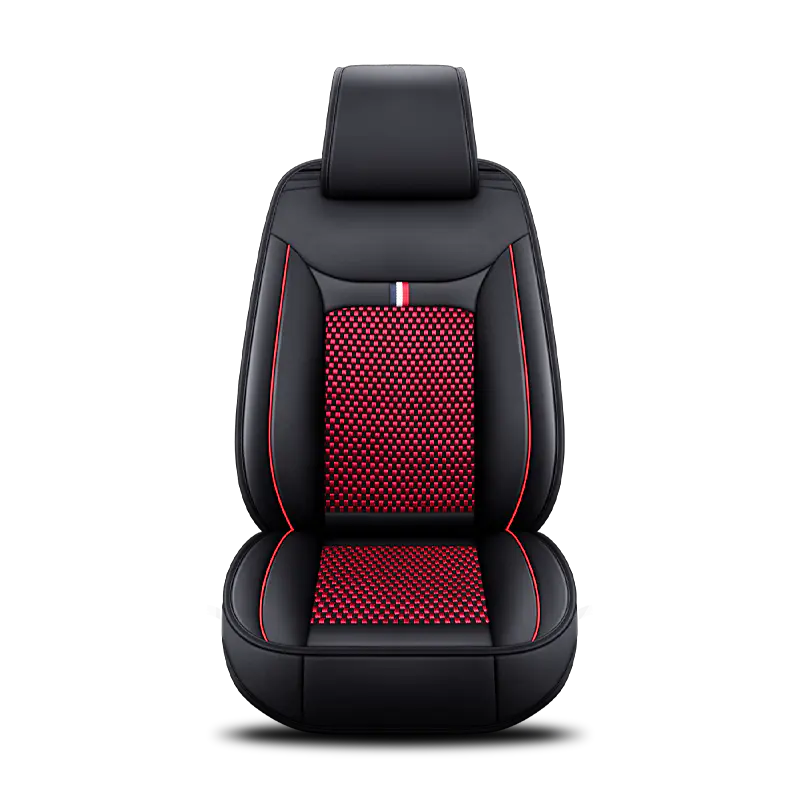
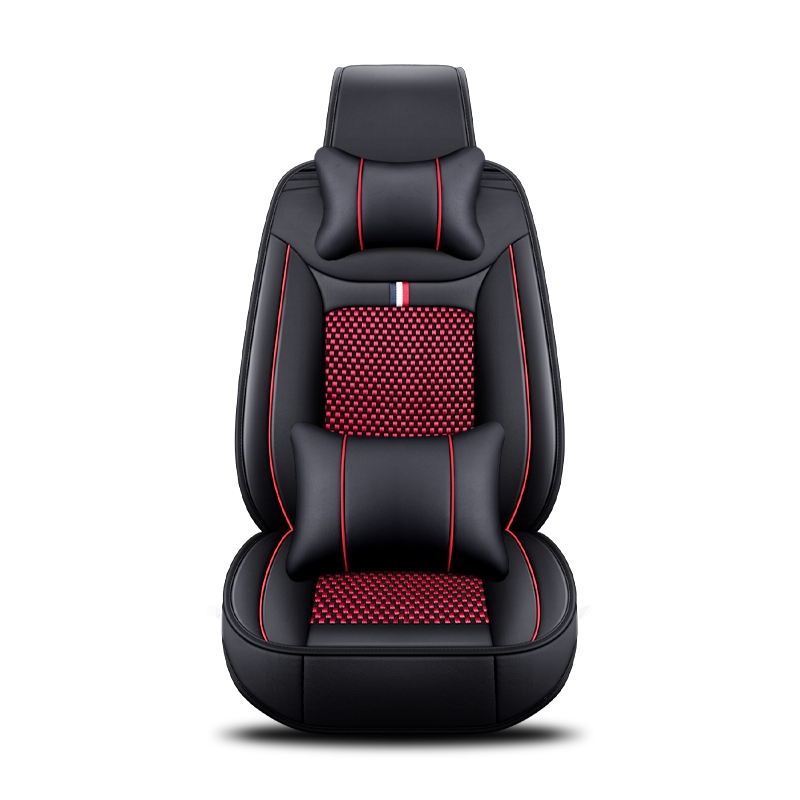
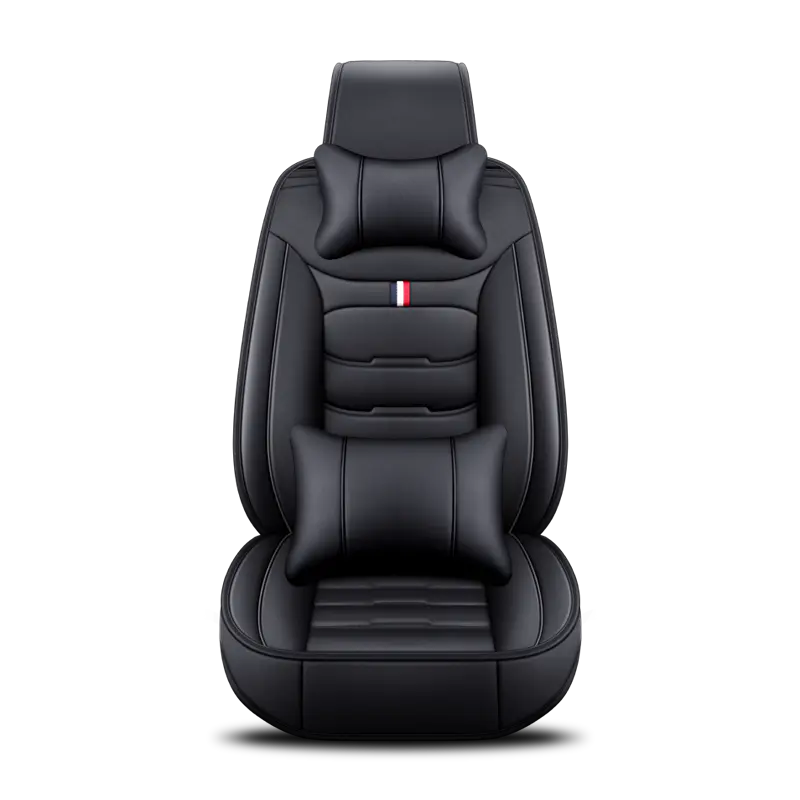
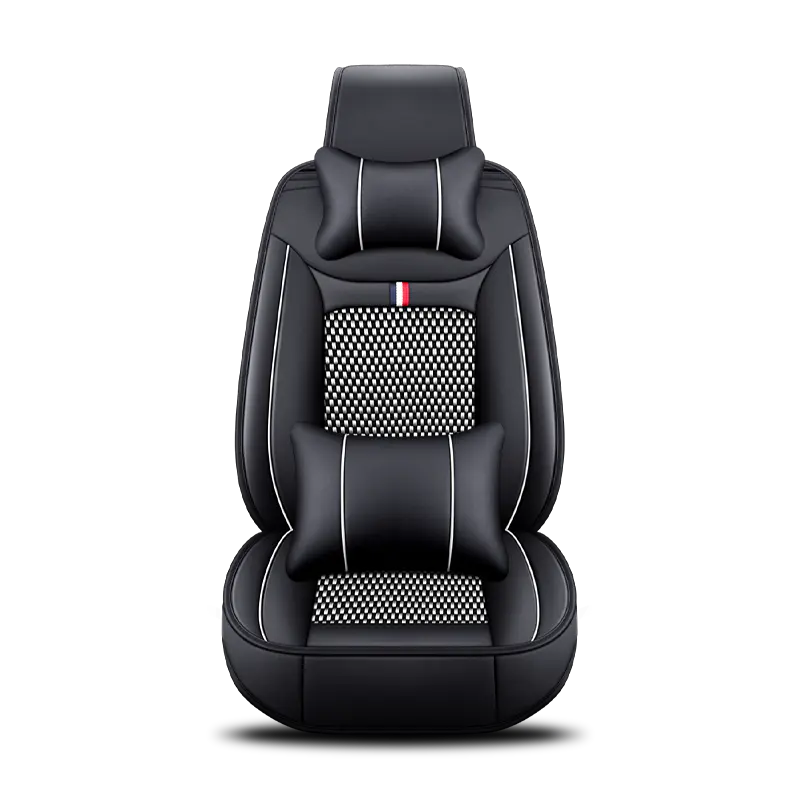
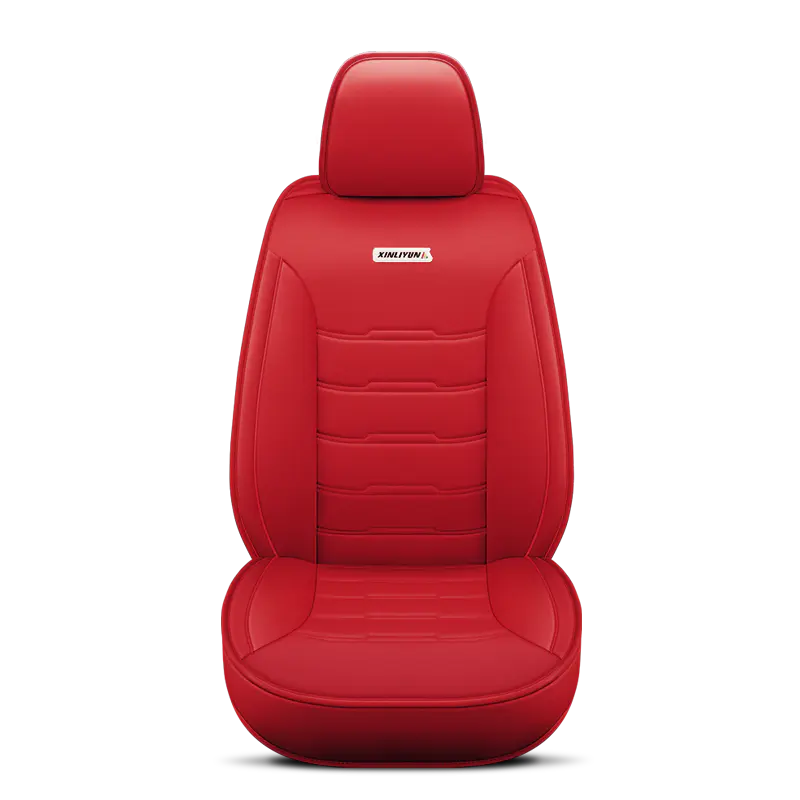
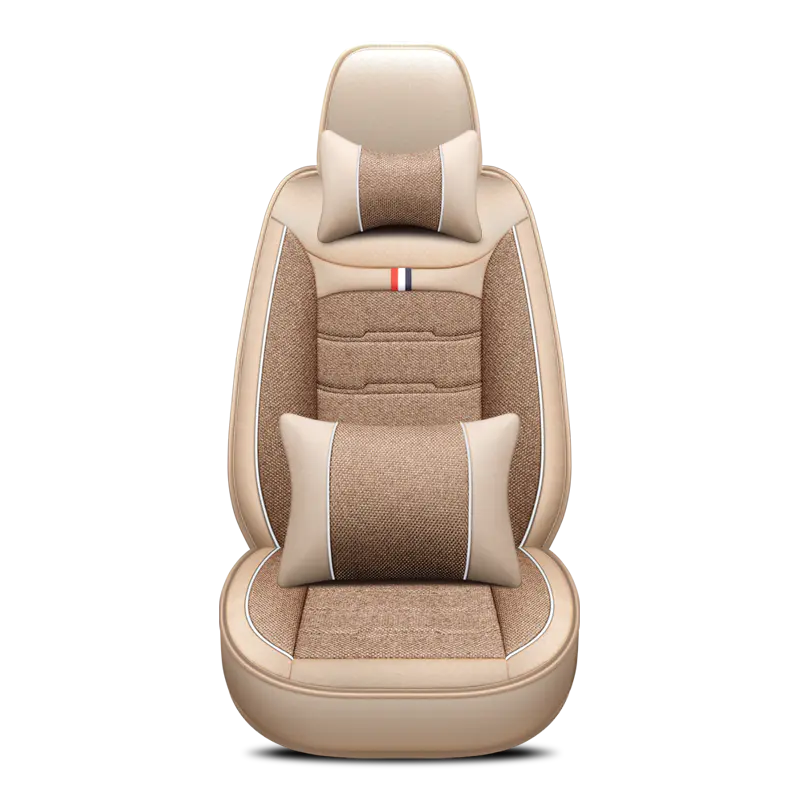
عربىThe cabin of a vehicle is not only defined by its dimensions, but also by how materials, tones, and surface finishes interact with light and contrast. Customized Color PU Car Seat Covers have become a popular upgrade among drivers seeking a visual reset of their interior without structural modification. Beyond protection and styling, a recurring discussion revolves around whether color customization can actually influence how spacious a cabin feels.
Insights from automotive interior design studies and user experiences across aftermarket seat cover reviews suggest that perception plays a major role. While seat covers do not physically expand space, they can reshape visual boundaries, brightness distribution, and contrast layers inside the cabin.
Visual Expansion Through Color Strategy
Color psychology and interior contrast management directly influence spatial perception inside confined environments such as car cabins.
- Light-toned PU surfaces reflect more ambient light, reducing shadow density along seat contours
- Dual-tone configurations reduce monotony and break up bulky seat mass visually
- High-contrast stitching patterns guide visual flow along seat lines instead of across cabin width
Interior detailing reports from aftermarket reviews indicate that lighter beige, ivory, or grey PU finishes tend to make compact sedans feel less enclosed compared to dark monotone interiors, where edges visually compress the cabin boundaries.
PU Material Texture and Light Reflection Behavior
PU leather behaves differently from fabric due to its semi-gloss surface characteristics. This plays a subtle but noticeable role in spatial perception.
- Micro-gloss coating increases light bounce across seat surfaces
- Embossed grain texture reduces flat visual appearance and adds depth layering
- Heat-molded shaping allows tighter seat contouring, minimizing visual slack
Industry reviews of PU-based automotive seat covers note that smoother finishes with moderate sheen can subtly enlarge perceived cabin width by reducing harsh shadow pockets along seat bolsters.
Color Customization Impact on Cabin Geometry Perception
Cabin geometry is not altered physically, yet the brain interprets interior boundaries based on visual segmentation. Color customization directly affects this interpretation.
- Monochrome interiors create continuous visual planes, often making seats appear bulkier
- Customized accent colors interrupt large seat surfaces, reducing perceived volume
- Vertical stitching alignment draws attention upward, enhancing height perception
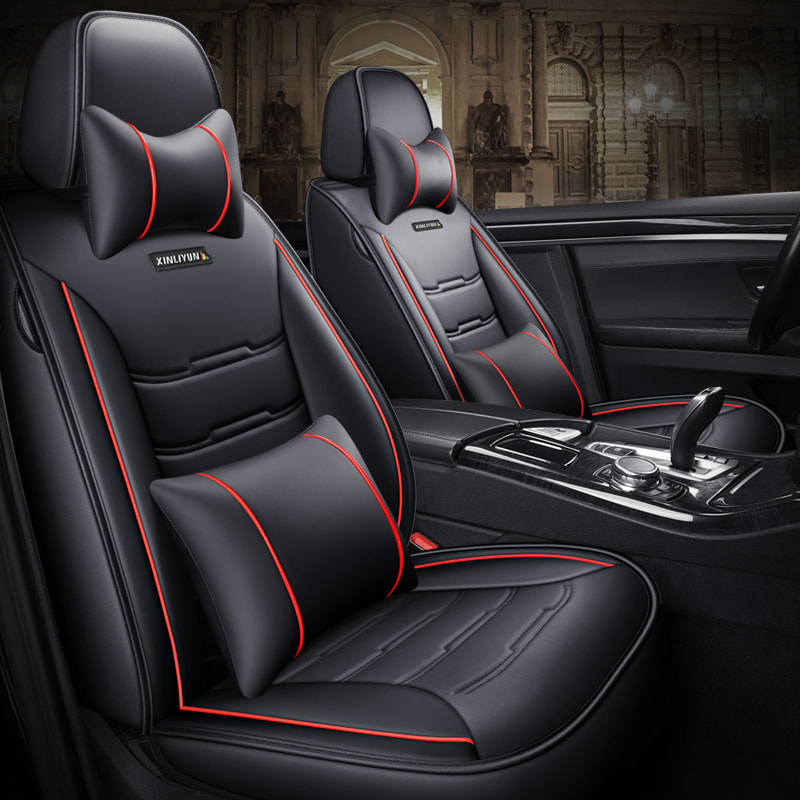
Review analyses from PU seat cover users show that red-black, beige-black, or white-black combinations frequently receive comments about “new cabin openness” even though the physical layout remains unchanged.
Fitment Precision and Its Role in Spatial Illusion
Fit quality is another major factor affecting how spacious the interior feels. Loose or wrinkled covers tend to visually distort seat proportions.
- Tight 3D shaping reduces fabric bulging and preserves OEM seat geometry
- Pre-formed bolsters maintain consistent seat silhouette across lighting conditions
- Anti-slip backing layers prevent shifting that breaks visual alignment
Aftermarket feedback consistently shows that well-fitted PU covers tend to create a “factory reupholstered” impression, which enhances spatial coherence inside the cabin. Poorly fitted versions, on the other hand, often make seats appear bulkier and reduce perceived space.
Lighting Interaction Inside the Cabin
Interior lighting conditions strongly influence how seat cover color affects perceived space. PU surfaces respond dynamically to sunlight and artificial lighting.
- Daylight reflection increases openness effect on lighter colors
- Ambient night lighting enhances contrast between seat panels and door trims
- Dashboard illumination spill creates layered depth across seat contours
Reports from users of PU leather interiors often mention that color-shifting perception becomes more noticeable during transitions from daylight to tunnel or nighttime driving, reinforcing the idea that spatial perception is dynamic rather than fixed.
Practical Observation from User Experience
Real-world feedback on Customized Color PU Car Seat Covers highlights several consistent behavioral patterns:
- Interior feels visually “cleaner” after replacing faded fabric seats
- Bright color accents reduce the dominance of bulky seat structures
- Dark interiors with matching covers feel more enclosed but more premium
These observations confirm that perceived space is not expanded physically, but reinterpreted visually through material and color interaction.
Final Perspective on Spatial Perception
Customized color PU seat covers do not alter vehicle dimensions, yet they influence how occupants interpret interior volume. Through controlled color contrast, reflective PU surfaces, and structured fitting, the cabin can feel more open, balanced, or streamlined depending on design choices.
The real value lies in visual recalibration rather than structural change, offering drivers a low-effort way to reshape interior atmosphere while maintaining functional seat protection.