 English
 中文简体
中文简体 русский
 Español
 عربى
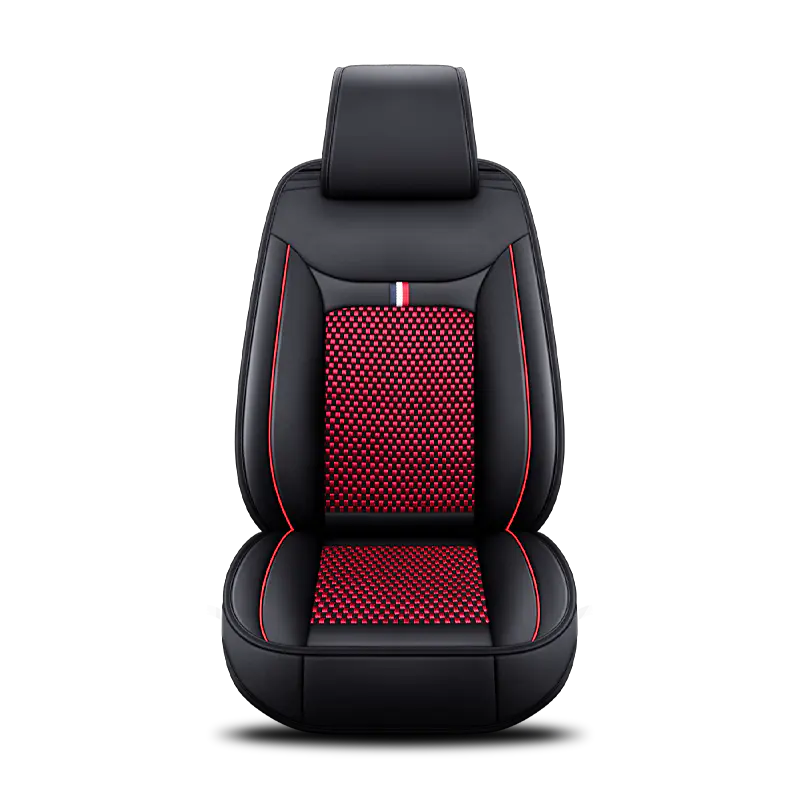
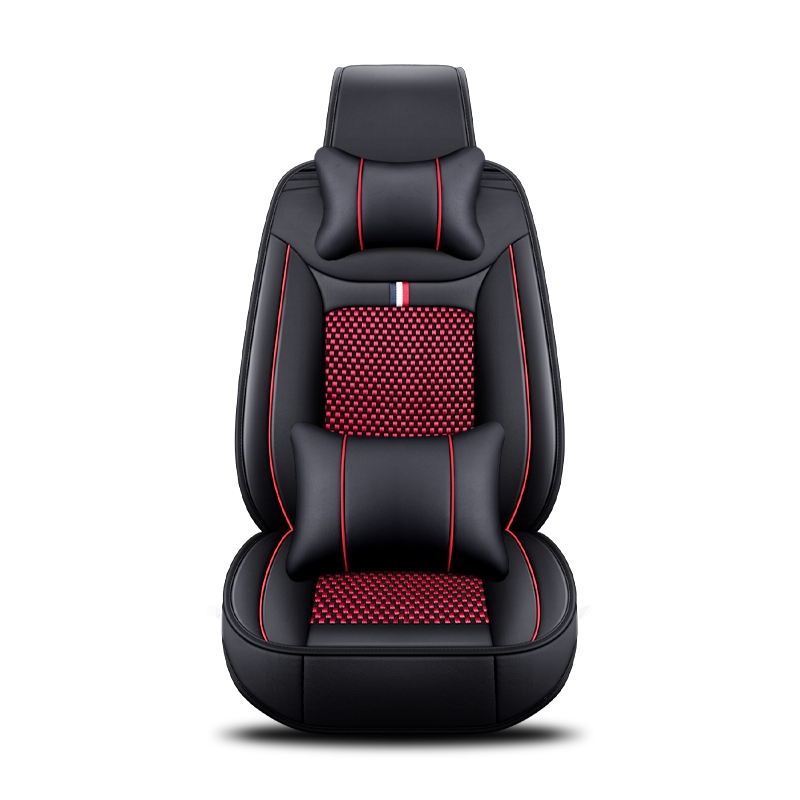
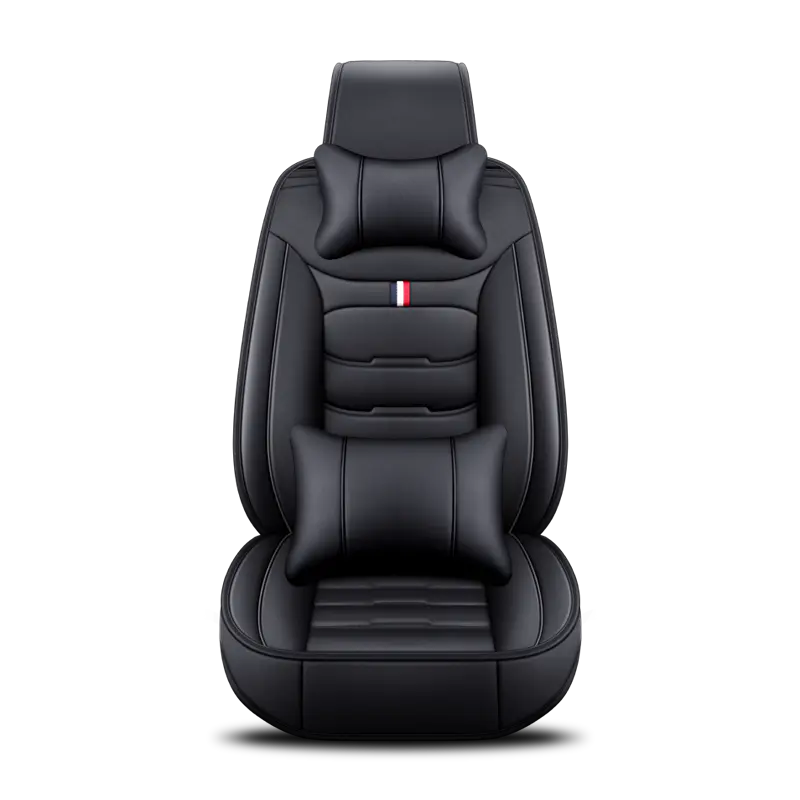
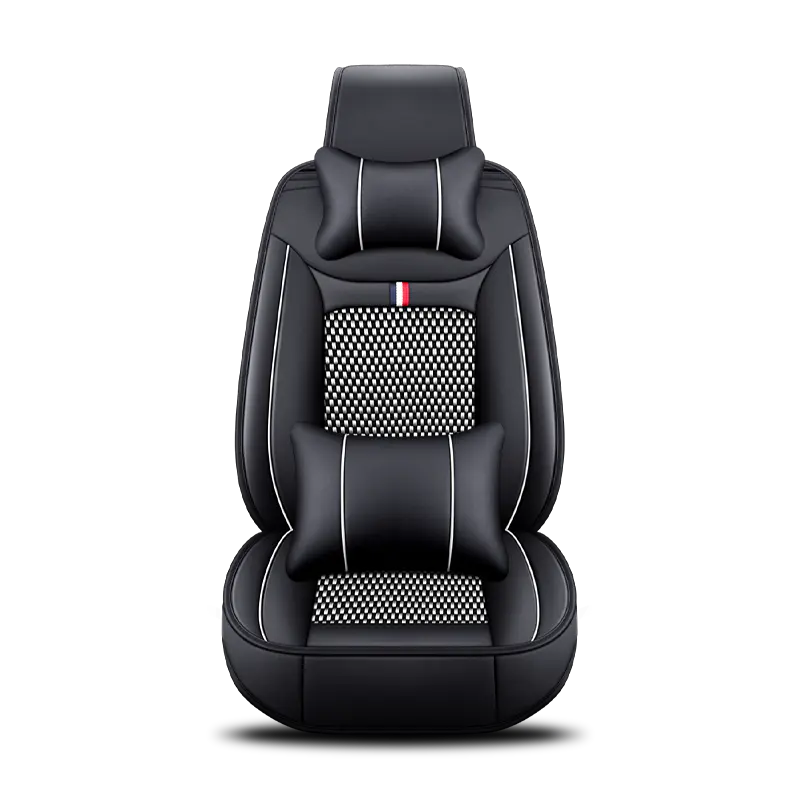
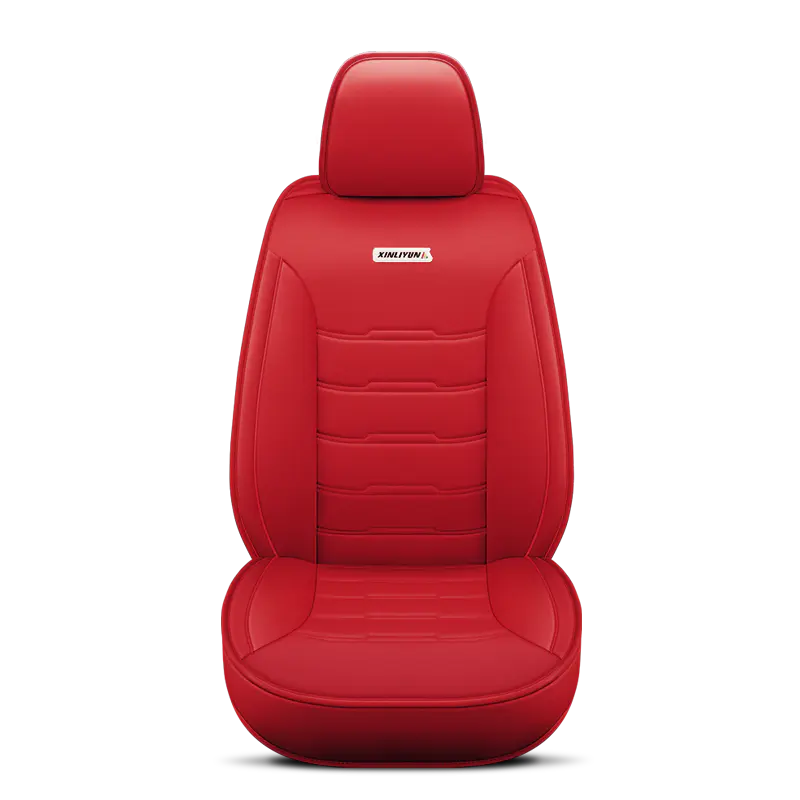
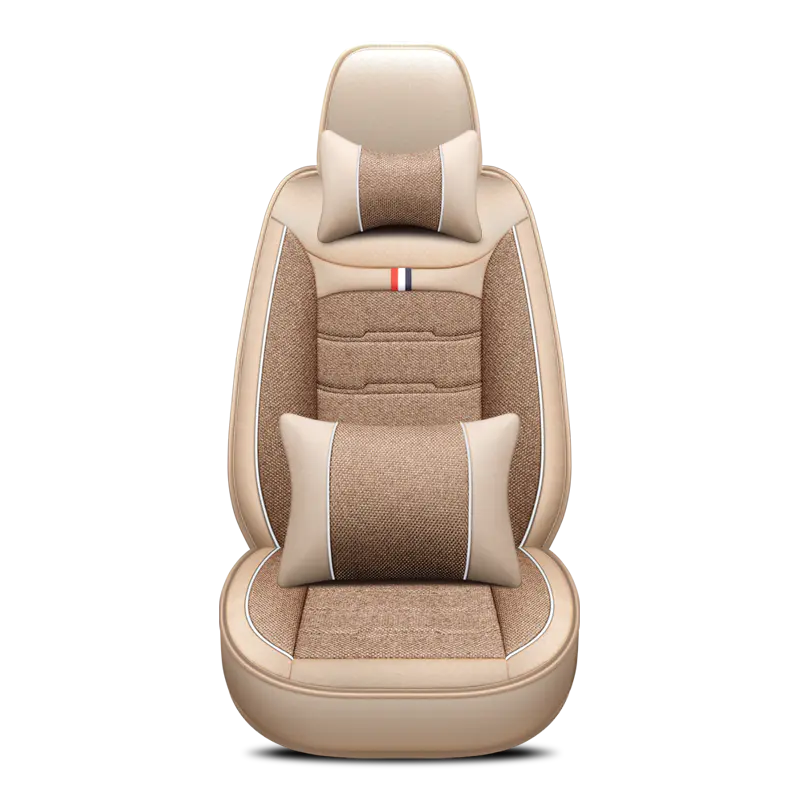
عربىFor many vehicle owners, the decision to purchase a genuine leather seat cushion involves weighing factors of comfort, durability, maintenance, and safety. These accessories are intended to protect the original upholstery while potentially enhancing the driving experience.
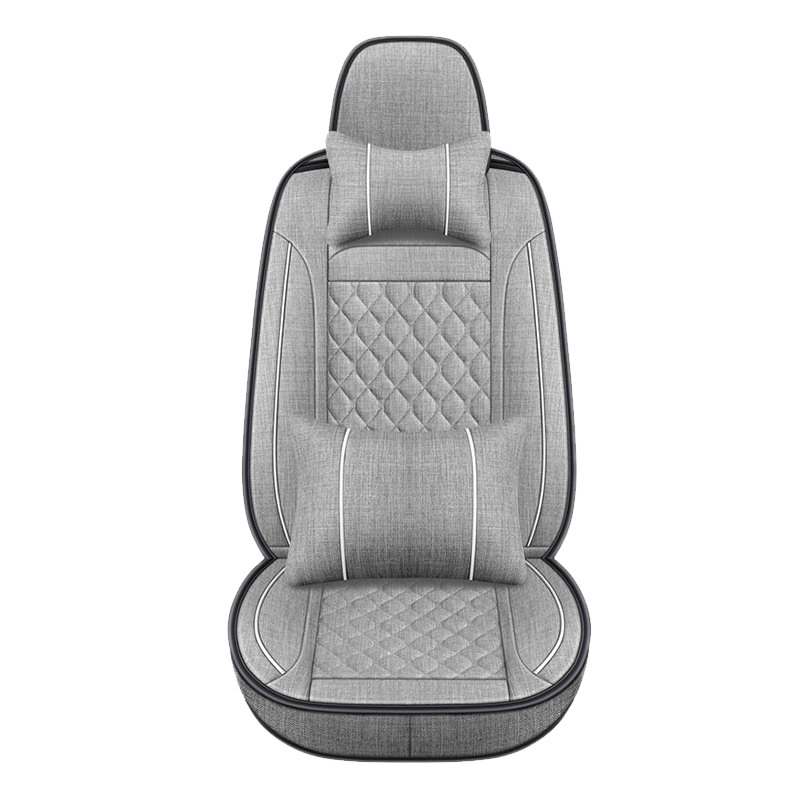
What Are the Primary Benefits and Drawbacks of Using a Genuine Leather Seat Cushion Compared to Other Materials?
When selecting a seat cushion, understanding how leather compares to alternatives helps in making an informed choice.
Benefits of Genuine Leather Cushions:
Durability and Longevity: High-quality leather, particularly full-grain or top-grain varieties, offers considerable resistance to tearing, fading, and surface wear. With proper maintenance, leather cushions can last for several years without significant degradation, and some users report them lasting decades . The material also tends to develop a patina over time, which some find aesthetically pleasing.
Ease of Maintenance: Spills and dirt can typically be wiped away from a leather surface with a damp cloth, making daily upkeep relatively simple . This non-porous quality, when properly sealed, prevents the absorption of liquids compared to fabric alternatives.
Resistance to Scratches and Stains: Genuine leather is generally more resistant to minor scratches and stains than fabric or beaded cushions, which can trap debris or absorb spills . This makes it a practical option for households with children or pets.
Drawbacks of Genuine Leather Cushions:
Temperature Sensitivity: Leather is a naturally insulating material. In direct sunlight, it can absorb and retain heat, reaching surface temperatures that cause discomfort upon entry. Conversely, in cold weather, it can feel stiff and cool . While the cushion itself may heat up, it does not inherently provide cooling relief.
Higher Initial Cost: Genuine leather cushions generally represent a higher upfront investment compared to cushions made from materials like fabric, beaded constructions, or synthetic leathers. Prices for quality leather cushions can range from $120 to $300 per seat, whereas beaded alternatives may cost between $40 and $80 .
Maintenance Requirements: Although daily cleaning is straightforward, leather requires periodic conditioning to prevent it from drying out, stiffening, or cracking over time, especially if the vehicle is frequently parked in direct sunlight .
How Do Leather Seat Cushions Perform in Hot Weather, and Can They Be Cooler?
The thermal performance of leather seat cushions is a frequent concern, particularly for drivers in warmer climates. Leather inherently absorbs and retains heat, which can make it feel hot shortly after a vehicle has been parked in the sun. This initial discomfort is a recognized characteristic of the material .
However, certain design features can influence how a leather cushion performs in heat:
Perforation: Leather cushions with perforations (small holes) allow for some airflow. This feature can help reduce sweat accumulation and may improve comfort over time, though it does not actively cool the surface .
Material Composition: Some cushions combine a leather surface with underlying materials such as gel infusions or mesh layers. These additions can provide a degree of thermal buffering, delaying the sensation of heat buildup compared to solid leather pads .
Color Consideration: The color of the leather also plays a role. Lighter-colored leather reflects more sunlight and heat compared to darker shades, which absorb more.
It is important to note that no passive seat cushion actively lowers body temperature like an air conditioner. The cooling sensation from some products is often temporary. As one textile engineer noted, "Materials that claim instant cooling often exploit sensory perception rather than delivering sustained thermoregulation. True cooling requires heat dissipation, not just a cold touch" . Therefore, while a leather cushion can be made more comfortable in heat through design choices, its fundamental thermal behavior remains a factor to consider.
How Should a Genuine Leather Seat Cushion Be Properly Maintained and Cleaned?
Maintaining a leather seat cushion involves a routine that differs from other materials but is not overly complex. The goal is to preserve the leather's suppleness and prevent cracking.
Routine Cleaning:
Weekly Dust Removal: Using a vacuum cleaner with a soft brush attachment to remove dust and debris from the surface and seams is recommended.
Spill Management: Spills should be blotted immediately with a clean, damp cloth. Rubbing can spread the liquid and push it deeper into the material or seams.
Surface Cleaning: For more thorough cleaning, a dedicated leather cleaner should be applied to a soft microfiber cloth, not directly onto the leather, and rubbed in evenly. It is important to use products specifically designed for leather, avoiding household cleaners or chemicals that can cause damage .
Conditioning and Protection:
Regular Conditioning: Leather contains natural oils that can deplete over time, bring about dryness and cracking. Applying a high-quality leather conditioner every three to four months helps restore these oils and maintain flexibility . For new leather installations, applying a protective layer or conditioner after about 15 days is sometimes suggested .
Drying: After cleaning, leather should be allowed to air dry naturally. Using heat sources like hair dryers can cause the material to dry out and crack.
What to Avoid:
Harsh chemicals or all-purpose cleaners .
Prolonged direct sunlight exposure without protection, such as using sunshades or parking in shade .
Ammonia-based or oil-based cleaning products .
Do Leather Seat Cushions Interfere with Vehicle Safety Systems?
This question is critical for any vehicle accessory that sits on or covers the original seat. The primary safety concern is whether an aftermarket cushion will impede the deployment of side-impact airbags, which are often housed within the seat back.
When evaluating a leather seat cushion for safety:
Airbag Compatibility: It is essential to verify that the cushion is designed with features that do not obstruct airbag deployment. Some manufacturers state that their products are tested for compatibility and will not block airbag openings . When purchasing, one should look for products that explicitly address this or, for full coverage options, inquire about special treatment around airbag zones .
Secure Fit and Friction: A cushion that slips or slides during vehicle maneuvers can be a distraction and potentially affect driver control. Selecting cushions with non-slip backing, such as rubberized grips or secure fastening systems (hooks, straps), helps ensure they remain in place . Adequate friction between the cushion and the driver is also a safety consideration to prevent sliding during emergency braking .