 English
 中文简体
中文简体 русский
 Español
 عربى
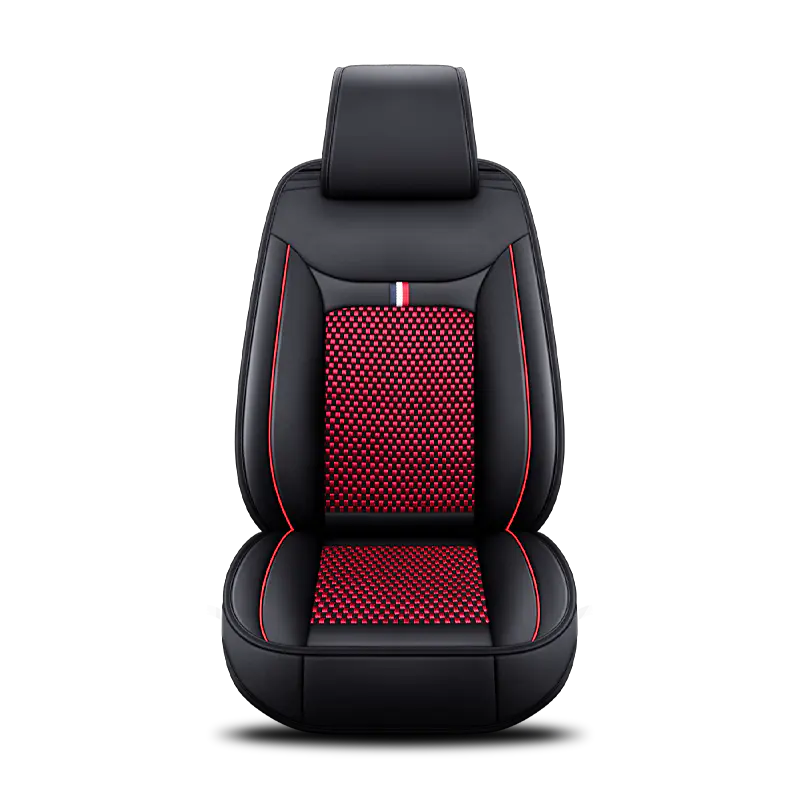
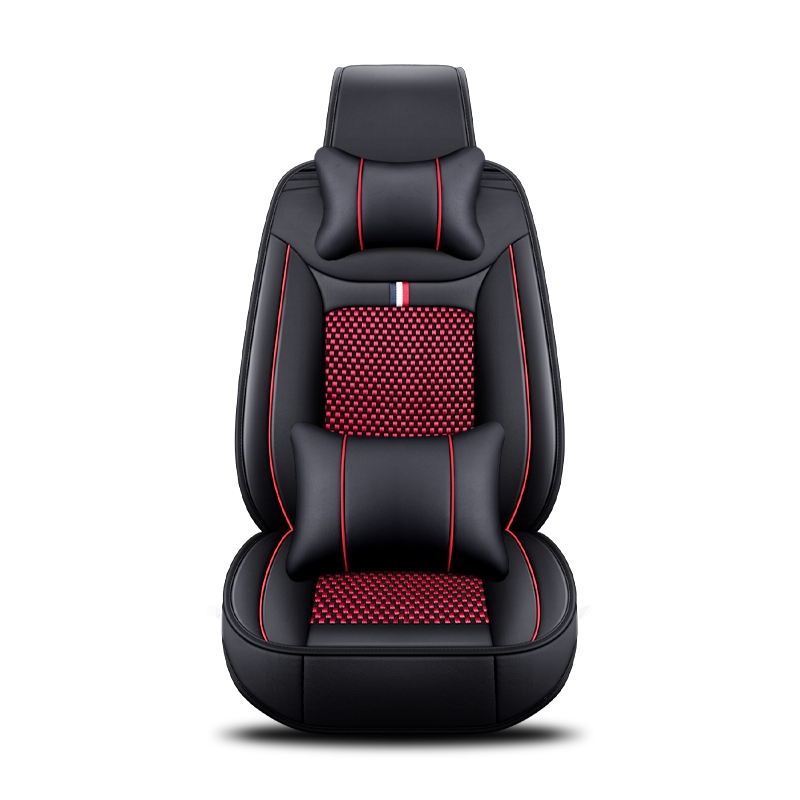
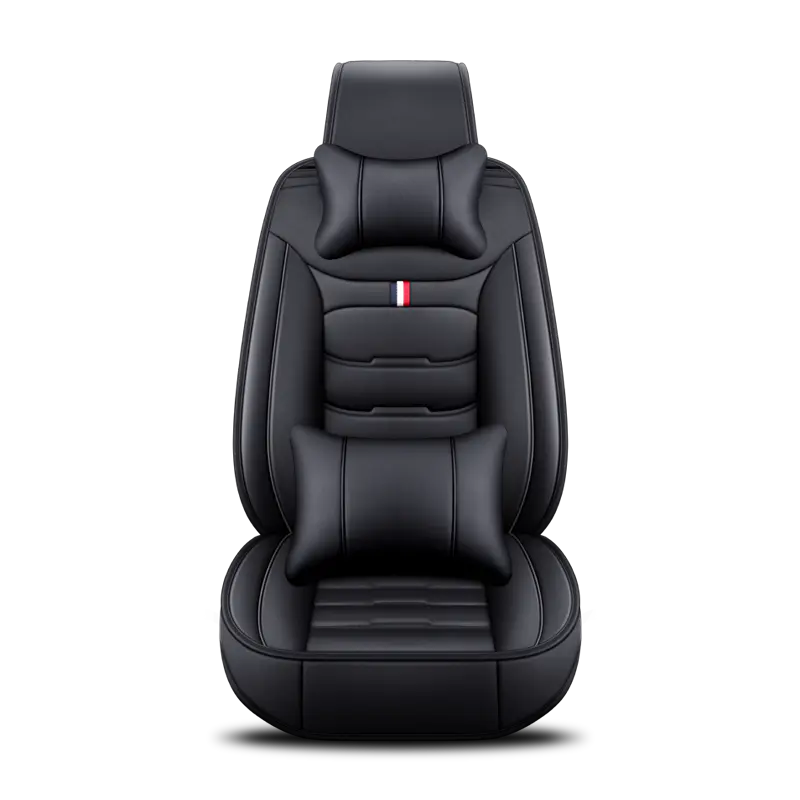
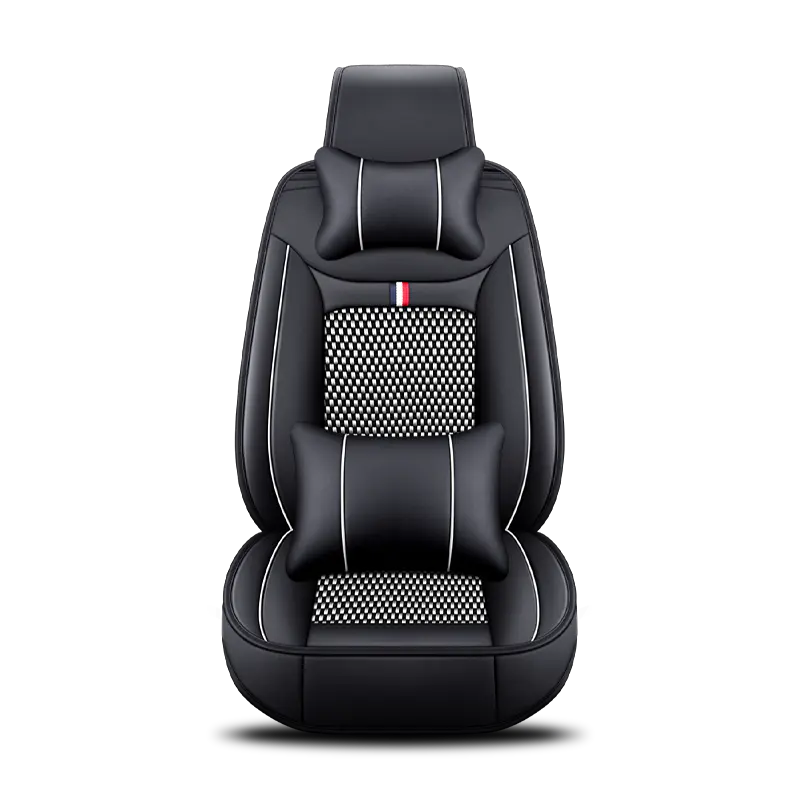
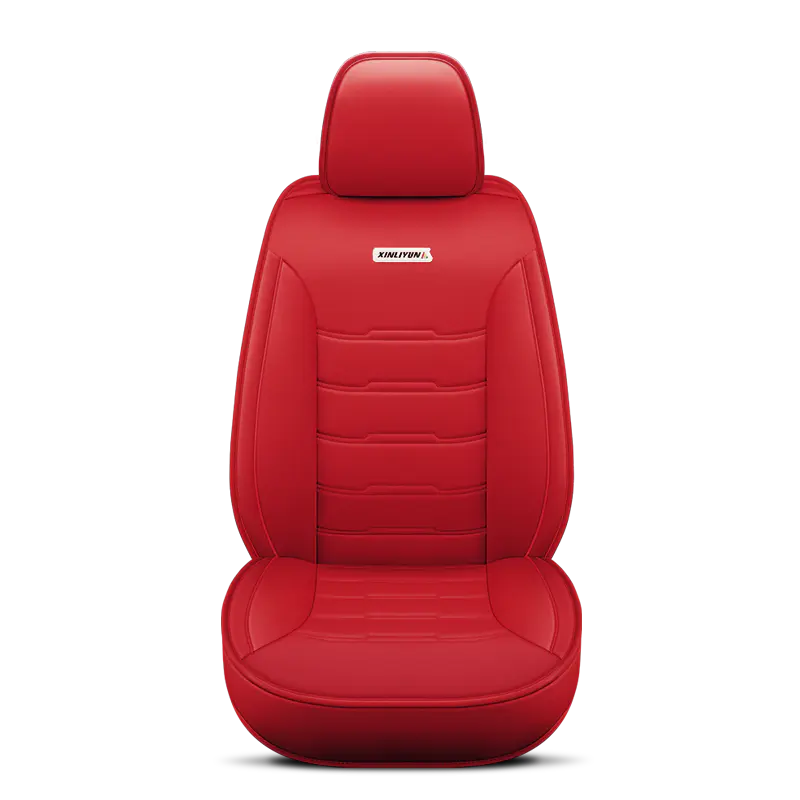
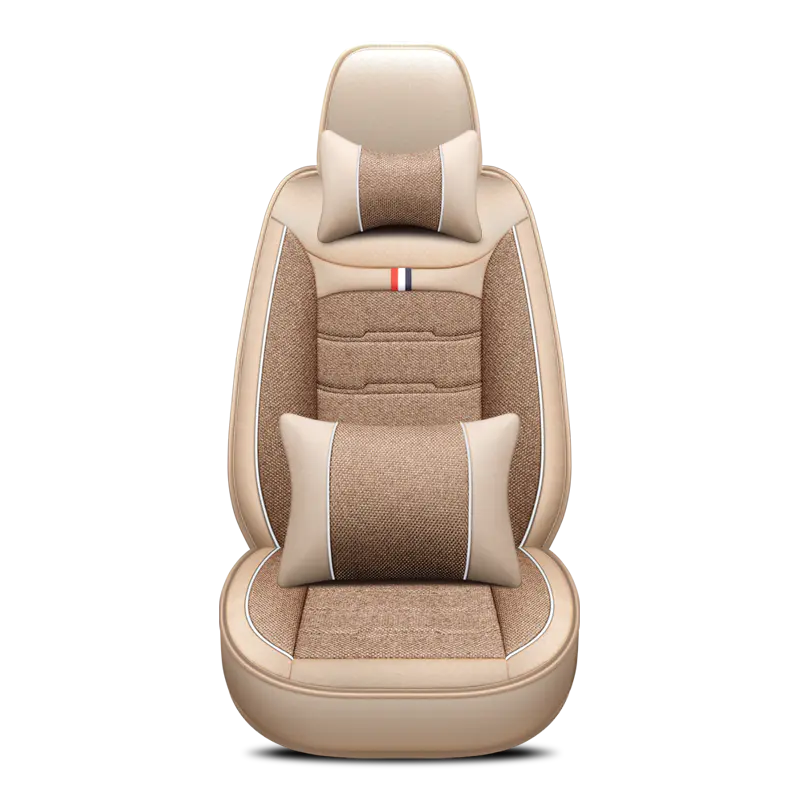
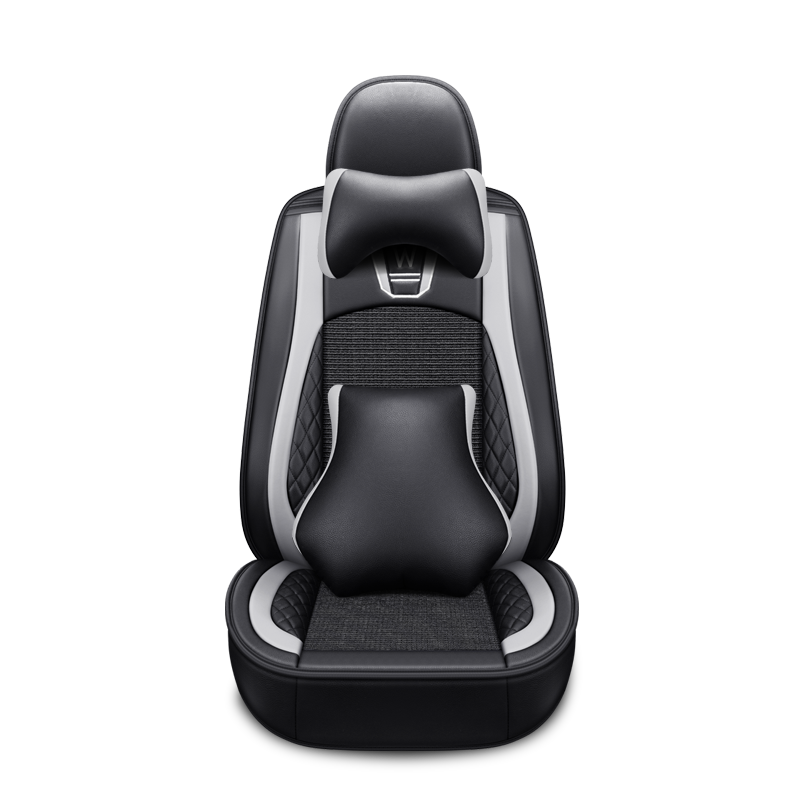
عربىThe Waterproof Leather & Ice Silk Car Seat Cushion is designed to combine protective surface performance with user comfort in automotive seating. By integrating synthetic leather layers with ice silk textile surfaces, the product attempts to address issues such as liquid penetration, temperature discomfort, and seat wear. While the cushion incorporates practical engineering principles, it is also important to examine its structural limitations and potential performance challenges.
Structural Composition and Waterproof Mechanism
The waterproof performance of this seat cushion is primarily achieved through the outer leather layer and internal barrier treatments. In cases, the "leather" component refers to polyurethane (PU) or polyvinyl chloride (PVC) coated synthetic leather. These materials are manufactured with a dense polymer surface that restricts water penetration. Because polymer films lack the natural pores found in untreated textiles, they form an effective surface barrier against spills.
In addition to the leather layer, some designs incorporate a laminated waterproof membrane beneath the surface fabric. This membrane prevents liquids from reaching the vehicle’s original seat upholstery. The seams may also be reinforced or tightly stitched to reduce leakage through needle perforations.
However, waterproof performance is influenced by construction quality. Stitching points, edge finishes, and prolonged pressure from sitting can affect the integrity of the barrier. Over time, repeated compression may create micro-cracks in lower-grade synthetic leather, reducing its resistance to liquid intrusion.
Thermal Comfort and Breathability
Ice silk fabric is included in the cushion to improve comfort during warm conditions. Ice silk typically consists of modified polyester or nylon filaments engineered to provide a smooth texture and a cooling sensation through thermal conductivity. When skin contacts the fabric, heat transfers away more quickly than with thicker woven materials, producing a temporary cooling effect.
Despite this benefit, the integration of waterproof layers can reduce breathability. Waterproof coatings tend to limit airflow because they create a continuous barrier. If the cushion lacks perforation or ventilation channels, moisture generated by body heat may accumulate between the occupant and the surface. This can reduce comfort during extended driving sessions.
Furthermore, the cooling sensation of ice silk depends on environmental temperature and humidity. In very hot conditions, passive heat transfer alone may not significantly lower surface temperature, especially if the vehicle interior has been exposed to direct sunlight.
Mechanical Durability and Wear Resistance
The leather component provides abrasion resistance and protects against friction from clothing, bags, or frequent seat entry and exit. Synthetic leather is generally resistant to staining and easier to clean than woven fabrics. The internal padding layer, typically made of foam or polyester filling, distributes pressure and contributes to seating support.
However, durability varies depending on material thickness and manufacturing standards. Lower-density foam may compress permanently over time, reducing cushioning performance. Similarly, repeated flexing can cause surface cracking in synthetic leather, particularly if exposed to ultraviolet radiation or temperature cycles.
Seam strength is another structural consideration. Because waterproof seat cushions involve multiple material layers, tension along stitched lines may increase during use. If reinforcement is insufficient, seam separation may occur, which compromises both mechanical stability and waterproof effectiveness.
Installation and Fit Limitations
Although marketed as adaptable to various vehicle types, universal seat cushions may not conform to all seat geometries. Differences in seat contours, integrated airbags, and headrest configurations can create fit inconsistencies. A loose fit can result in shifting during driving, which reduces user comfort and may affect driving posture.
In addition, improperly positioned cushions may interfere with seat ventilation systems or heating elements. Vehicles equipped with side airbags require careful consideration, as added layers could affect deployment paths if not designed with safety openings.
What Are the Problems with the Waterproof Leather & Ice Silk Car Seat Cushion?
While the product offers practical features, several limitations should be considered:
Reduced Breathability Due to Waterproof Layers
Waterproof coatings inherently limit air permeability. This can bring about heat and moisture buildup during long driving periods, especially in humid climates.
Potential Surface Cracking Over Time
Synthetic leather may degrade under prolonged ultraviolet exposure or temperature fluctuations. Surface cracking reduces both aesthetic quality and waterproof performance.
Foam Compression and Loss of Cushioning
Lower-quality internal padding may lose elasticity with repeated use, decreasing comfort and pressure distribution effectiveness.
Seam Vulnerability
Stitching creates perforation points that can weaken waterproof barriers if not sealed or reinforced adequately.
Fit Compatibility Issues
Universal sizing may not provide a precise fit for all vehicle models. Improper fit can result in shifting or wrinkling.
Limited Cooling in Heat
Ice silk provides passive thermal transfer but does not actively cool the seat. In high-temperature environments, the cooling sensation may be limited.
Maintenance Requirements
Although easier to clean than fabric seats, synthetic leather requires periodic conditioning or protective treatment to maintain flexibility and prevent cracking.