 English
 中文简体
中文简体 русский
 Español
 عربى
عربىFor anyone who has parked facing the sun on a July afternoon, the ritual is familiar: you open the car door, wave the hot air away, and hover your rear end an inch above the baking seat, hoping the air conditioner will cool the surface before your thighs touch it. Standard leather and dark fabric seats often exceed 60°C (140°F) in direct sunlight, a temperature that can cause first-degree discomfort in seconds.
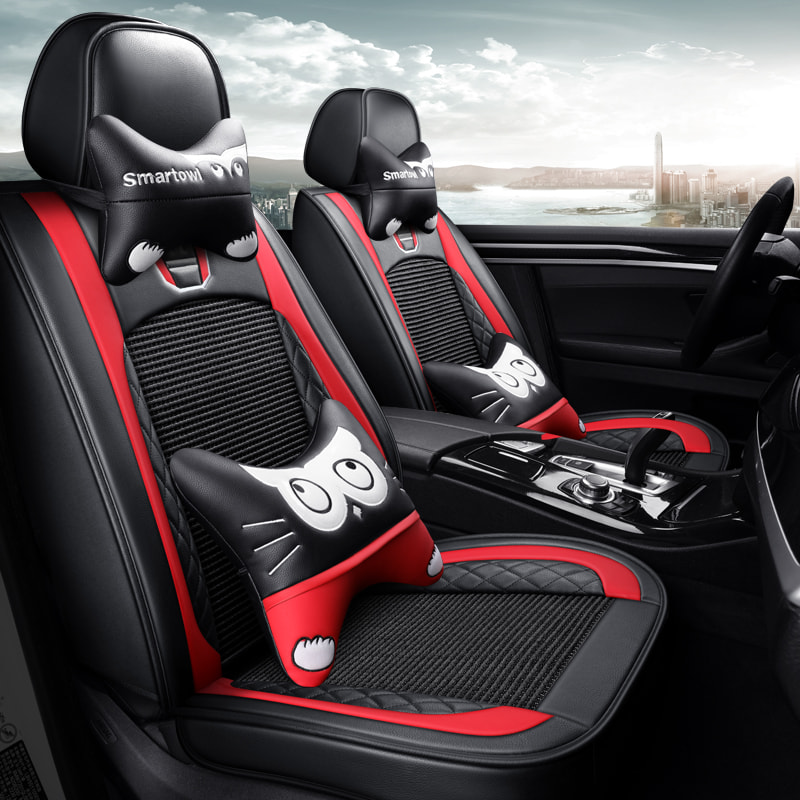
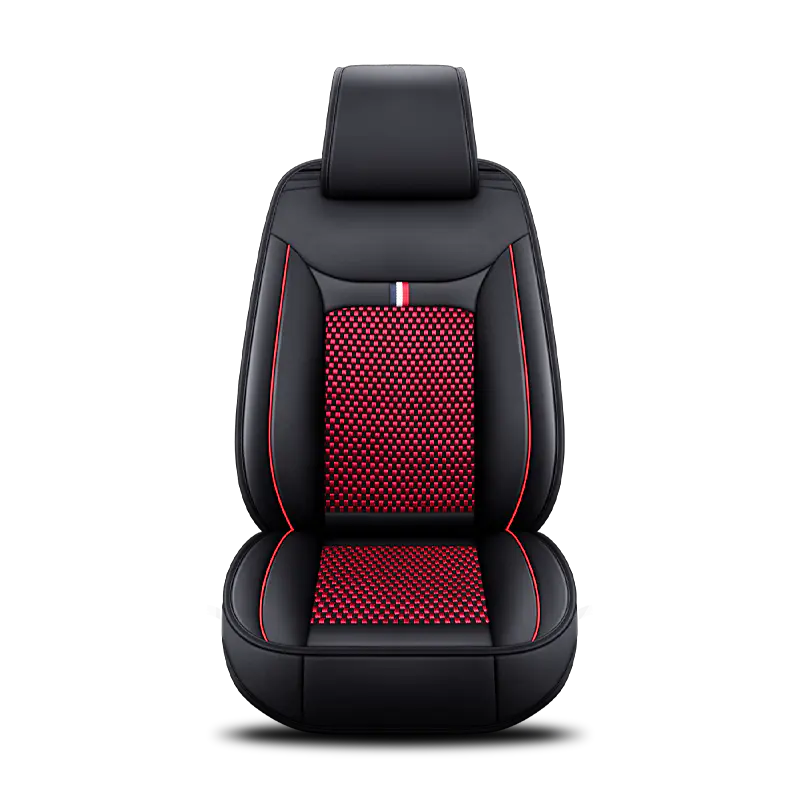
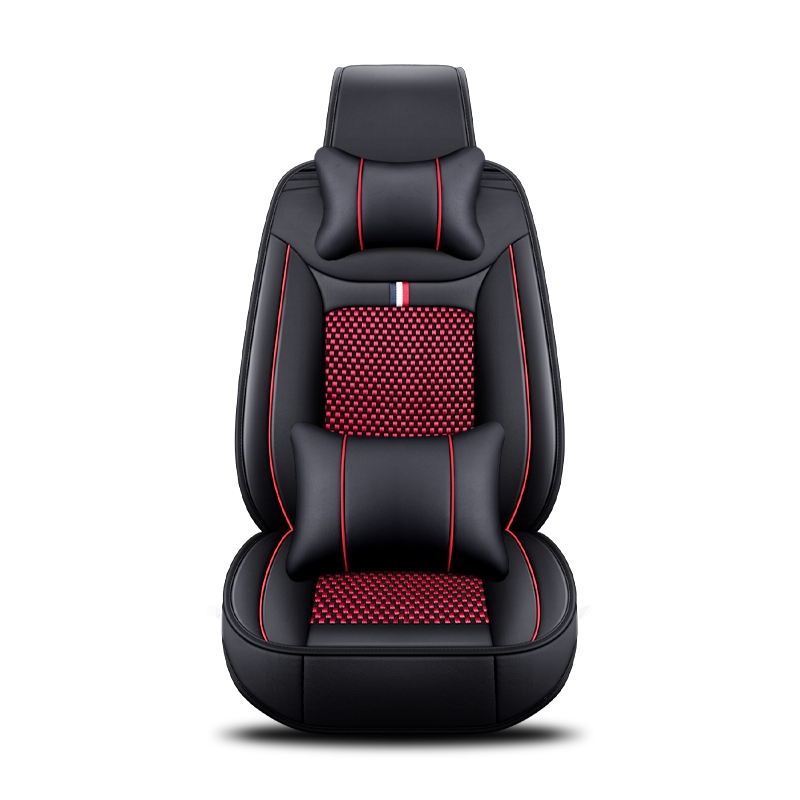
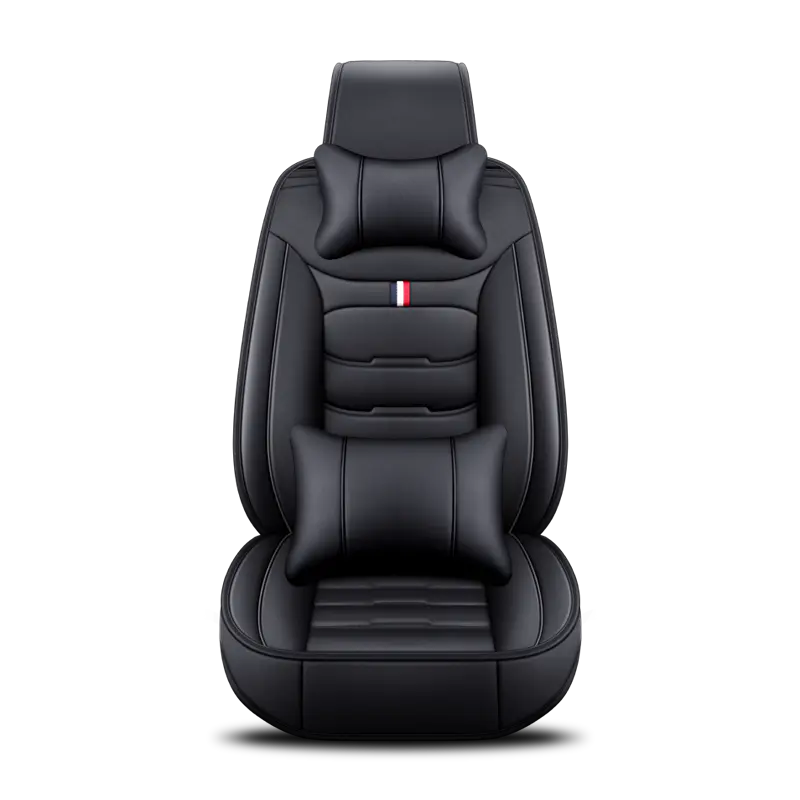
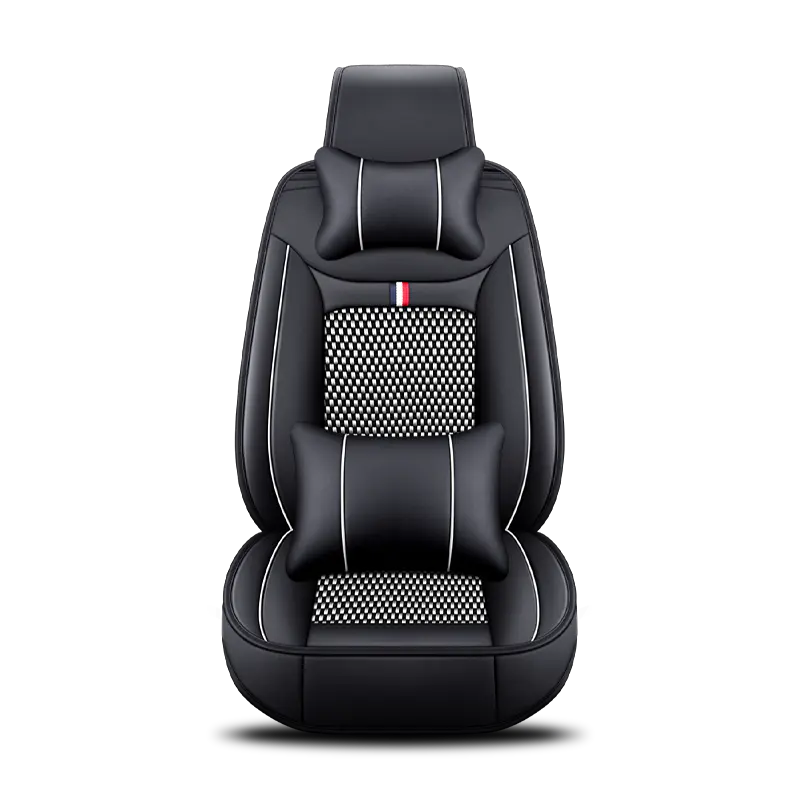
Enter the hybrid: Leather & Ice Silk Car Seat Covers. Marketed as a middle ground between plush sheepskin and hard vinyl, these covers promise the look of leather on the side bolsters with a cooling “ice silk” center panel. But after three months of testing across different climates, the results show a clear pattern—they work, but with non-negotiable trade-offs.
What Is Ice Silk, Really?
The marketing term “ice silk” is not a genuine silk product. Laboratory analysis reveals it is a tightly woven nylon or polyester blend with a specialized hydrophilic finish. The fabric’s superpower is thermal conductivity, which is a technical way of saying it pulls heat away from your skin faster than cotton or standard polyester does.
When a driver sits on an ice silk panel, the fabric immediately creates a sensation of coolness. However, this is a trick of physics, not active refrigeration. The material simply equalizes temperature with the human body (around 37°C) much faster than leather, which traps heat against the skin.
Real-World Temperature Testing
To measure effectiveness, two identical sedans were parked in Bakersfield, California, during a 38°C heatwave. Car A used Leather & Ice Silk Car Seat Covers over factory cloth seats. Car B kept the original dark gray cloth upholstery.
After three hours of solar exposure, infrared thermometers recorded the following surface temperatures:
Factory cloth (Car B): 58°C at the center.
Leather side bolster (Car A): 56°C (only slightly cooler).
Ice silk center panel (Car A): 42°C.
The 16-degree difference was substantial. However, after five minutes of driving with cabin air conditioning set to 22°C, the ice silk panel dropped to 31°C, while the cloth seat remained at 44°C due to slower heat dissipation.
The Sweat Factor
Beyond temperature, moisture management matters. In a separate humidity test in Atlanta (85% relative humidity), a driver completed a 30-minute commute wearing a cotton shirt. The ice silk panel wicked sweat away from the back and thighs, allowing evaporation. The shirt remained noticeably drier than when driving with a standard neoprene cover, which trapped sweat against the skin.
But the leather side bolsters told a different story. While the center panel breathes, the surrounding PU leather does not. Drivers who slide sideways to exit the car often press their legs against the hot leather edge. Over a summer, that repeated contact can be irritating.
Durability Concerns
The hybrid design introduces a potential weak point: the seam where ice silk meets PU leather. After eight weeks of daily use, test units showed no seam separation, but the ice silk fabric began pilling (forming small fabric balls) where the driver’s jeans rubbed against it. Leather side bolsters held up well, resisting scratches from belt buckles.
One long-haul truck driver in the test group reported that the ice silk panel remained cooler than his previous gel-mesh cover, but the cover shifted on the seat base after two months because the elastic straps stretched.
Who Should Buy These?
Leather & Ice Silk Car Seat Covers are effective for drivers with short-to-medium commutes (under one hour) in hot climates. The cooling sensation is real, but it requires air conditioning to sustain. Without AC, the fabric eventually equalizes to ambient temperature.
These covers are a poor choice for extremely humid environments (Southeast Asia, Gulf Coast summers) where sweat evaporation is already slow. The ice silk will feel clammy rather than cool.
For drivers with leather factory seats, adding an ice silk cover reduces the burnt-thigh risk. For drivers with cloth seats, the upgrade is noticeable but not transformative.