 English
 中文简体
中文简体 русский
 Español
 عربى
عربىFor decades, the phrase “leather interior” has been shorthand for automotive luxury. However, as buyers walk new car lots or scroll through aftermarket catalogs, they are faced with a confusing terminology split: Nappa leather and “genuine leather.” While both materials come from animal hides, the difference in quality, lifespan, and feel is wider than more dealership brochures suggest.
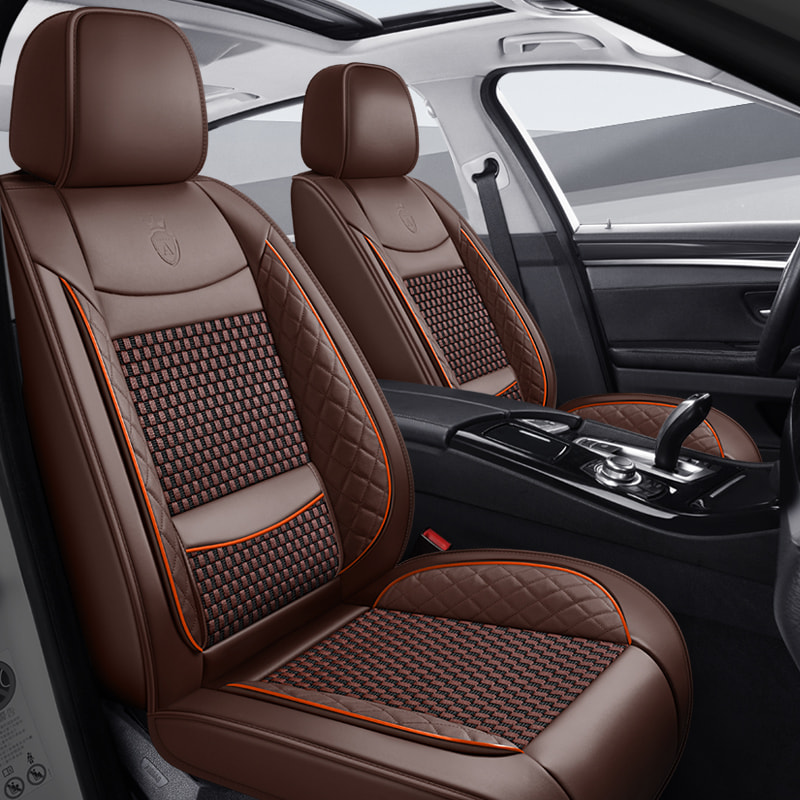
Industry experts note that the confusion is often intentional. “Genuine leather” sounds premium, but technically, it is a broad term covering any real hide, usually the layer of the split hide. In contrast, Nappa leather is a specific grade named after the Napa Valley tanning process, typically using full-grain from young calves. The result is a tactile experience that rivals high-end furniture.
The Construction Process
To understand the gap, one must look at the tannery. Genuine leather, often found in standard entry-level luxury cars, starts as the bottom layer of a cowhide after the top grain is shaved off. This layer is fibrous and loose. Manufacturers glue it together, stamp it with an artificial grain, and coat it with polyurethane to hide imperfections. It looks uniform, but it lacks the breathability of natural hide.
Nappa leather, however, uses the top uncorrected grain. It undergoes a vegetable or light chrome tanning process that preserves the natural pores. Because Nappa is softer and more flexible, it requires meticulous handling—any scar or stretch mark on the animal renders the hide useless for this purpose.
Real-World Performance
To see the difference in action, consider two drivers in a hot climate like Phoenix or Madrid. Driver A opts for “genuine” leather seats. After two years, the coated surface begins to crack along the side bolsters where the driver slides in and out. The plastic finish peels, revealing a fabric-like backing. The seats feel sticky in summer because the coating traps heat and sweat.
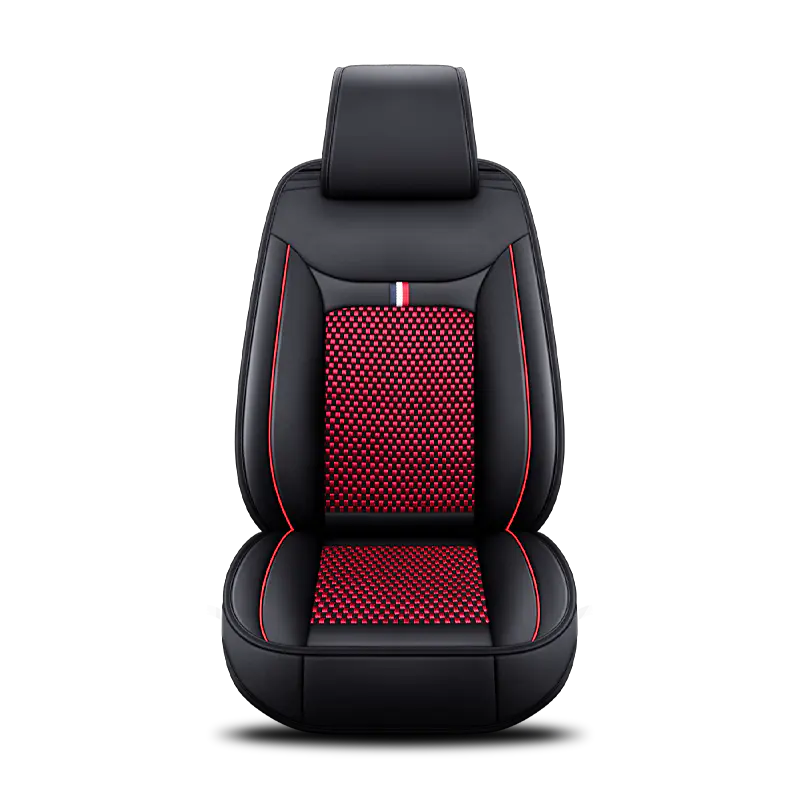
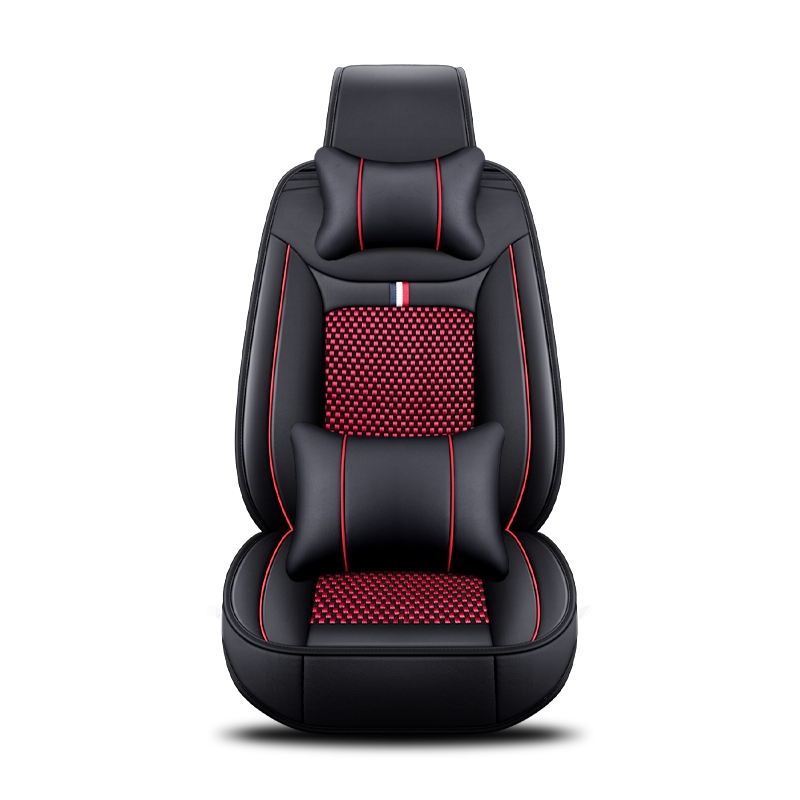
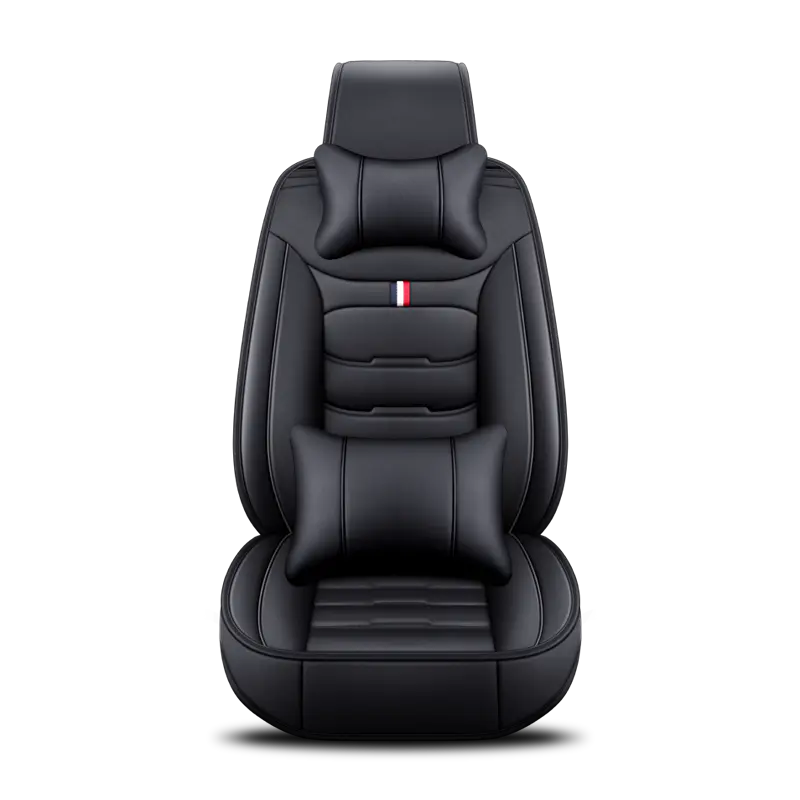
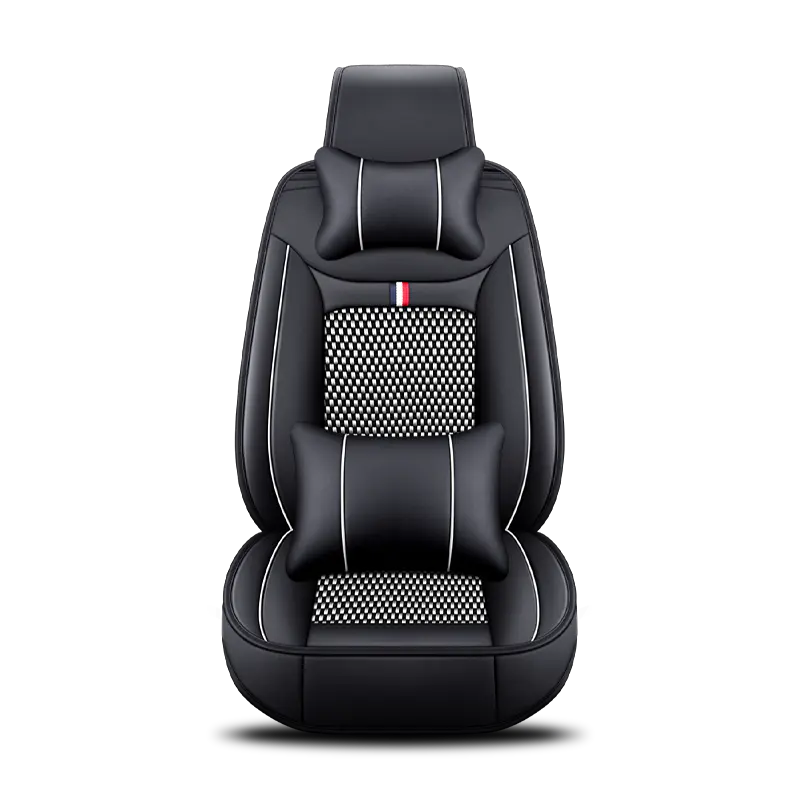
Driver B installs Nappa leather car seat pads. After four years, the pads show some creasing—a sign of natural material—but no cracks. The surface remains breathable; when the driver parks in the sun, the Nappa cools down three times faster than the coated genuine leather. The material also wicks moisture, reducing that “stuck to the seat” feeling during long commutes.
Maintenance and Longevity
When comparing Nappa leather car seat pads vs. genuine material, maintenance routines diverge significantly. Genuine leather’s plastic coating makes it stain-resistant initially—coffee wipes off easily. However, once that coating cracks, it is irreparable. Conditioners cannot penetrate the plastic.
Nappa requires more care—specifically, pH-balanced cleaners and annual conditioning—but it is repairable. A deep scratch in Nappa can be sanded, filled, and re-dyed. A scratch in genuine leather is a tear in the plastic film that spreads over time.
The Economic Argument
Automotive upholstery experts agree on one point: You get what you pay for. Factory-installed genuine leather adds approximately 500to500to1,000 to a vehicle’s price. However, high-quality Nappa leather car seat pads from aftermarket suppliers range from 1,500to1,500to3,000 for a full set.
Yet, the value proposition flips at resale time. A five-year-old car with cracked, peeling genuine leather seats loses thousands in trade-in value. A car with maintained Nappa—showing patina but no structural failure—commands a premium. For owners planning to keep their vehicle for less than three years, genuine leather suffices. For those aiming for a decade of use, Nappa is the more economical long-term choice.
Which Should You Choose?
The decision comes down to lifestyle. Families with young children and pets might prefer genuine leather’s easy-wipe surface for the short term, accepting that the seats will look worn by the time the car loan ends. Pristine collectors or luxury daily drivers will favor Nappa for its tactile warmth and aging grace.
Additionally, there is a middle ground: semi-aniline leather. This material sits between Nappa (pure aniline) and genuine (pigmented). It offers better stain resistance than Nappa but better breathability than genuine.