 English
 中文简体
中文简体 русский
 Español
 عربى
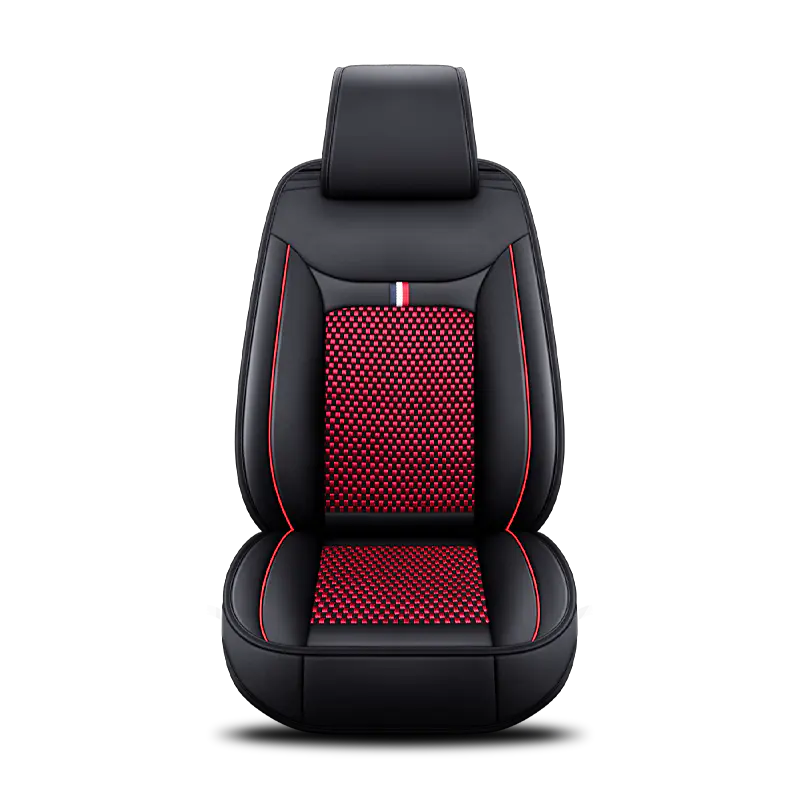
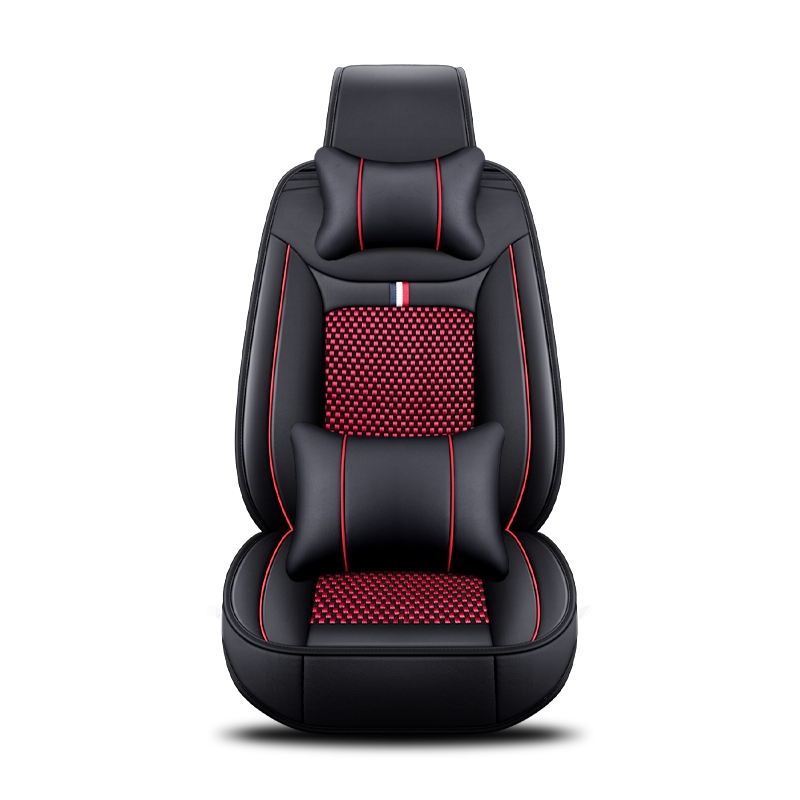
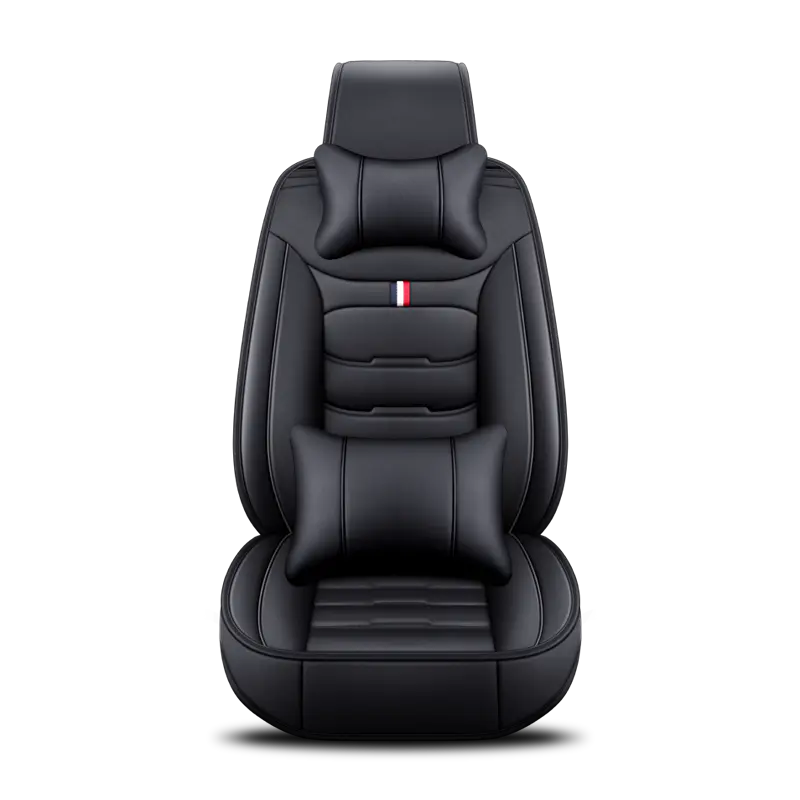
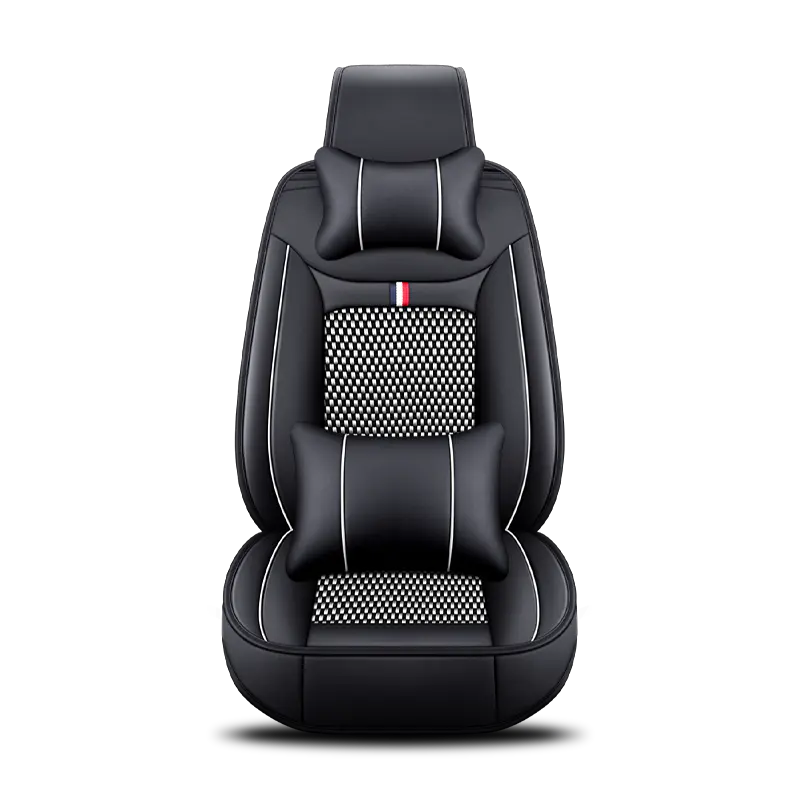
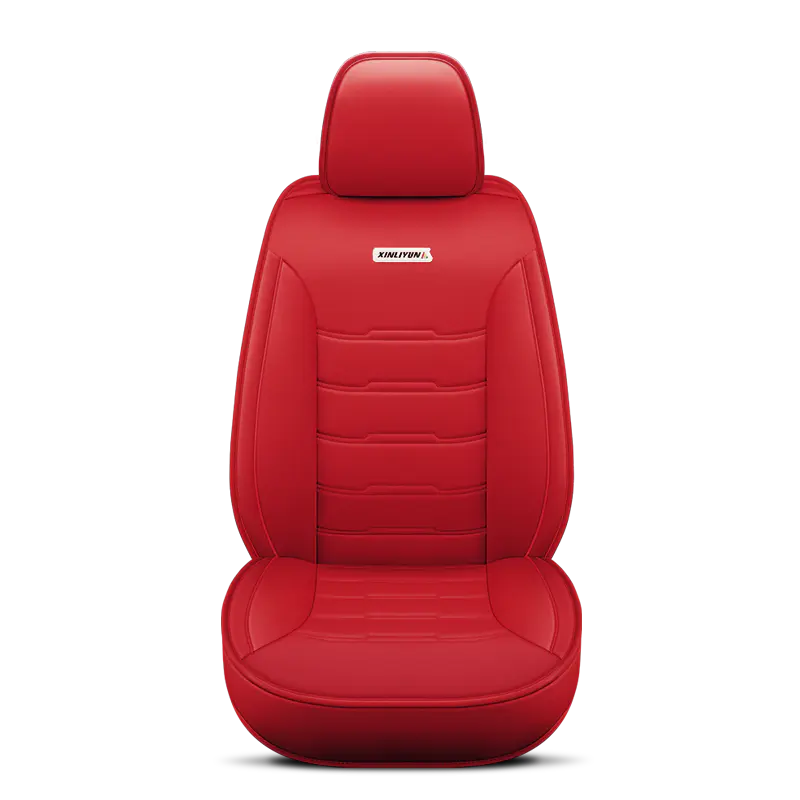
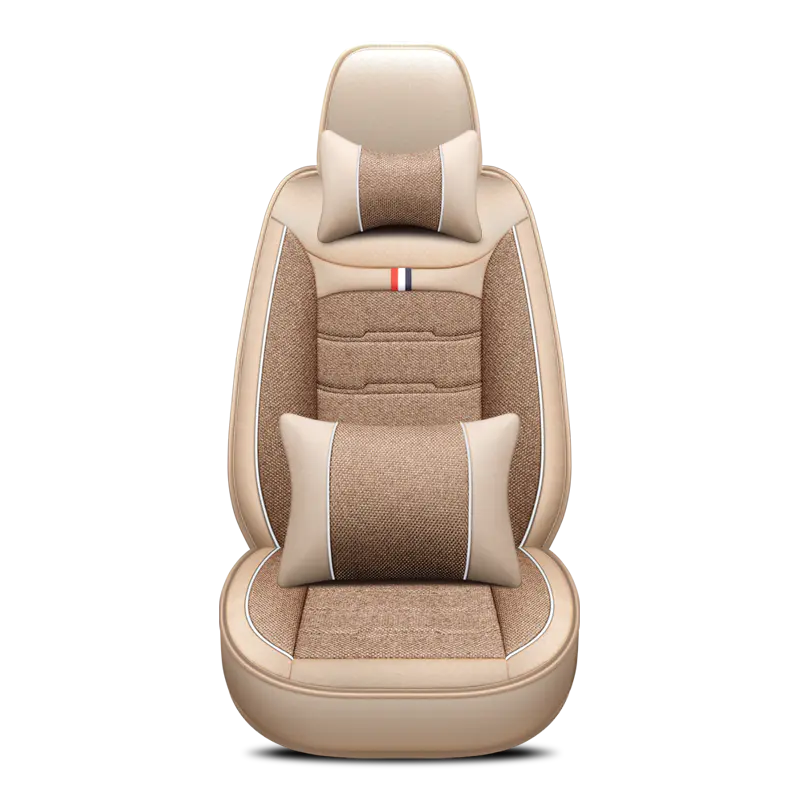
عربىThe Universal Leather & Ice Silk Car Seat Protector is designed to address several practical concerns in automotive interiors, including temperature regulation, surface protection, comfort, and durability. Rather than relying on a single material or feature, it achieves multiple properties through layered material engineering, textile structure optimization, and ergonomic design principles.
Material Synergy: Combining Leather and Ice Silk
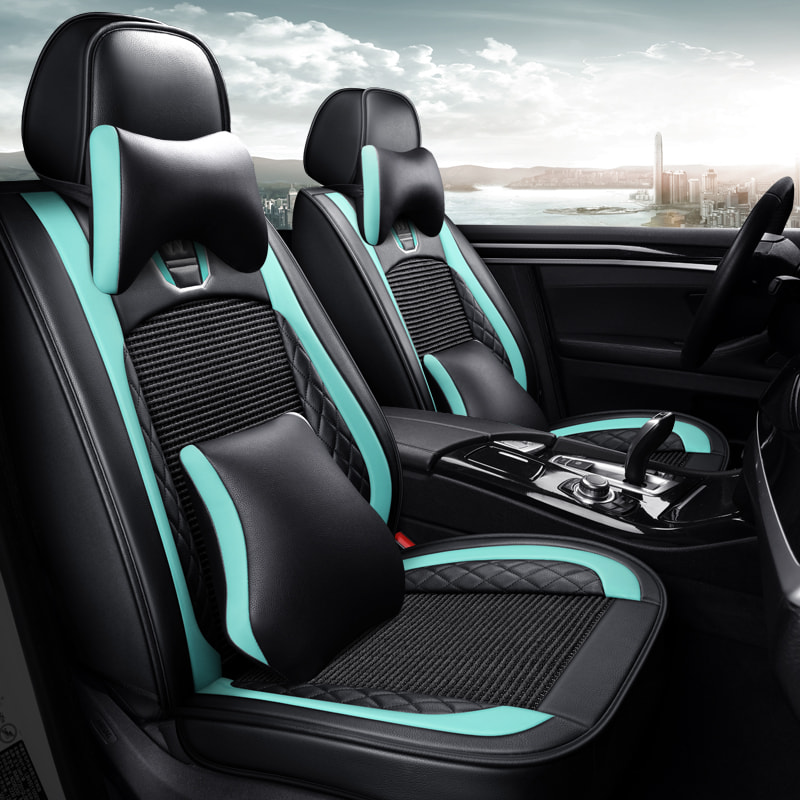
The foundation of the seat protector's multifunctionality lies in its composite material structure. Leather, whether synthetic (PU) or genuine, provides abrasion resistance, structural stability, and an easy-to-clean surface. Its dense molecular arrangement limits liquid penetration and reduces wear caused by repeated friction from entering and exiting the vehicle.
Ice silk, a term typically used for modified polyester or nylon fibers engineered for smoothness and cooling sensation, contributes a different set of properties. These fibers are manufactured with fine filament diameters and smooth cross-sections, which reduce skin friction and enhance tactile comfort. Some ice silk fabrics are also treated to improve moisture wicking.
When layered together, leather offers mechanical protection and structural support, while ice silk enhances surface comfort and breathability. The synergy between these materials enables the seat protector to perform multiple functions without compromising durability.
Thermal Regulation Through Textile Engineering
One of the core features associated with ice silk fabric is its cooling sensation. This effect is not produced by active cooling mechanisms but by passive thermal transfer. Ice silk fibers generally have relatively high thermal conductivity compared to standard upholstery textiles. When a person sits on the seat protector, heat is transferred away from the body more quickly than with conventional fabrics, creating a perceived cooling effect.
In addition, the knitted or woven structure of ice silk fabrics often includes micro-gaps that facilitate air circulation. These micro-ventilation channels allow heat and moisture to dissipate, reducing the buildup of warmth during extended driving.
Leather contributes indirectly to thermal performance by acting as a protective top layer that resists excessive heat absorption from sunlight, particularly when coated with reflective or UV-resistant finishes. Some protectors incorporate perforated leather sections to further improve airflow. The combination of conductive fibers and structured ventilation allows the seat protector to manage temperature more effectively across different seasons.
Moisture Management and Breathability
Automotive seating surfaces are frequently exposed to perspiration, humidity, and incidental spills. Ice silk fibers often incorporate moisture-wicking properties through capillary action. The filament structure draws moisture away from the surface and disperses it across a wider area, promoting evaporation.
Breathability is enhanced through the fabric's porosity. Compared to fully solid synthetic covers, the woven or knitted ice silk layer enables airflow between the occupant and the underlying seat. This reduces the likelihood of moisture accumulation, which can contribute to discomfort and long-term seat deterioration.
Leather layers, especially when treated with water-resistant coatings, help prevent liquids from penetrating into the original seat upholstery. The protector thus manages both moisture dispersion and moisture resistance simultaneously.
Mechanical Protection and Wear Resistance
Daily vehicle use exposes seats to mechanical stresses such as compression, shear forces, and friction. The leather component provides a protective barrier against abrasion caused by clothing, accessories, and repeated body movement. Synthetic leather materials are typically manufactured with polymer coatings that increase resistance to cracking and peeling under cyclic loading.
The internal padding layer—often composed of foam or polyester batting—acts as a shock absorber. It distributes pressure across a broader surface area, reducing localized stress points on the original seat. This padding also contributes to shape retention, preventing premature deformation.
Stitching patterns play a structural role as well. Reinforced seams and quilted designs distribute tensile forces more evenly across the protector. This reduces seam failure and extends service life.
Ergonomic Comfort and Pressure Distribution
Beyond temperature and durability, the seat protector must support ergonomic comfort. The internal cushioning layer is typically engineered with moderate density foam. This material compresses under load but gradually returns to its original shape, supporting consistent seating posture.
The smooth surface of ice silk reduces friction between the occupant's clothing and the seat. Lower friction minimizes micro-movements that can cause discomfort during long drives. In addition, some protectors incorporate anti-slip backing materials, such as silicone dots or textured rubber layers, to prevent shifting during acceleration or braking.
By integrating pressure distribution, surface smoothness, and seat stability, the protector contributes to overall seating ergonomics.
Surface Protection Against Environmental Factors
Vehicle interiors are exposed to ultraviolet radiation, dust, and temperature fluctuations. Leather surfaces can be treated with UV-resistant coatings that reduce fading and material degradation. These coatings form a protective film that limits oxidation and maintains surface integrity.
Ice silk fabrics are often dyed using methods that improve colorfastness, helping the material resist fading due to sunlight exposure. The protective layers also act as a barrier against dust and debris, preventing them from embedding into the original seat upholstery.
Because the protector is removable, it serves as a sacrificial layer. Wear and contamination affect the protector rather than the original seat, preserving the vehicle's interior condition.
Universal Fit and Structural Adaptability
The "universal" aspect of the product refers to its compatibility with a range of vehicle seat geometries. This adaptability is achieved through elastic straps, adjustable buckles, and flexible panel construction. Instead of rigid molds, the protector uses segmented panels that conform to different seat contours.
Elastic tension systems maintain consistent contact between the protector and the seat surface, preventing wrinkling or displacement. Proper fit is important not only for aesthetics but also for functional performance, as gaps can reduce thermal and mechanical effectiveness.
Maintenance Efficiency and Hygiene
Practical usability depends on ease of maintenance. Leather surfaces can be cleaned with standard interior wipes due to their low porosity. Ice silk fabrics generally resist lint accumulation and dry relatively quickly after washing.
The layered construction is designed to withstand repeated cleaning cycles without significant structural degradation. This supports long-term hygiene management in personal and commercial vehicles.