 English
 中文简体
中文简体 русский
 Español
 عربى
عربىThe Origins and Production of Waterproof Leather
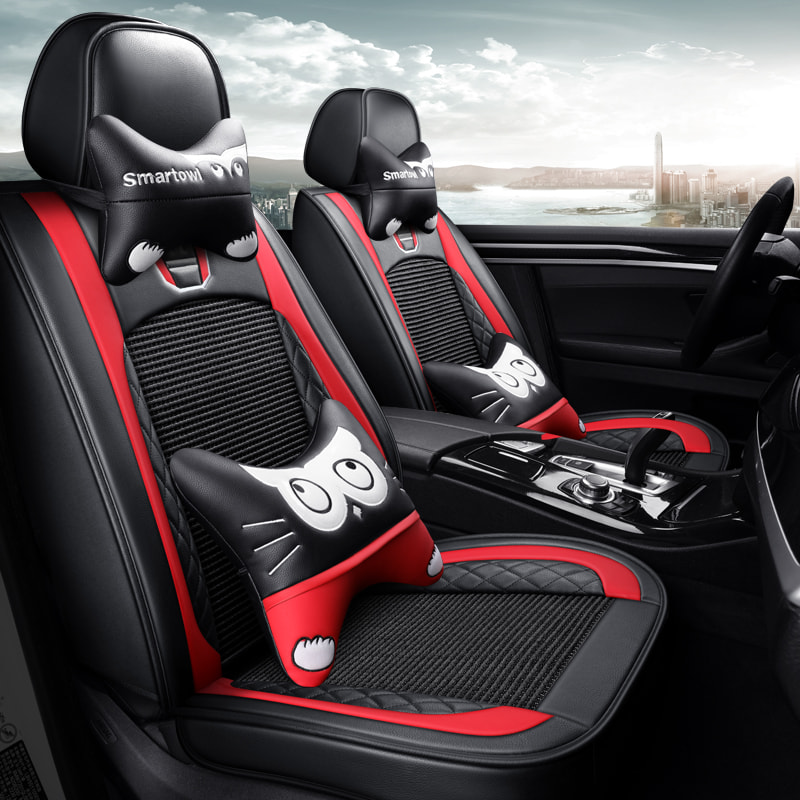
Leather has been used for various applications for thousands of years due to its durability, flexibility, and aesthetic appeal. However, for use in car seat cushions, leather needs to undergo additional processing to make it waterproof and more resistant to wear and tear.
Animal Hides: The primary source of leather is animal hides, commonly from cows. Other animals, such as goats and pigs, are also used for leather production, but cowhide remains the widely used due to its thickness, strength, and availability. Leather from these animals is sourced from farms and slaughterhouses where the animals are processed for meat. After the hides are collected, they are sent to tanneries for further processing.
Tanning Process: To transform raw animal hides into usable leather, they must go through a tanning process. This process involves treating the hides with chemicals and minerals that make them durable, flexible, and resistant to degradation. Traditional tanning methods use tannin, which comes from plant materials, while modern methods often use chromium salts. Once the tanning is complete, the leather is dyed and finished, giving it the desired texture and appearance.
Waterproofing Treatments: For leather to be suitable for automotive use, it must be made waterproof to withstand exposure to moisture, sweat, and other environmental factors. Waterproof leather is treated with special coatings or impregnated with water-resistant substances. These treatments prevent water from seeping into the leather, helping to preserve its structure and appearance. Some manufacturers use synthetic coatings, while others rely on natural oils and waxes to make the leather water-resistant.
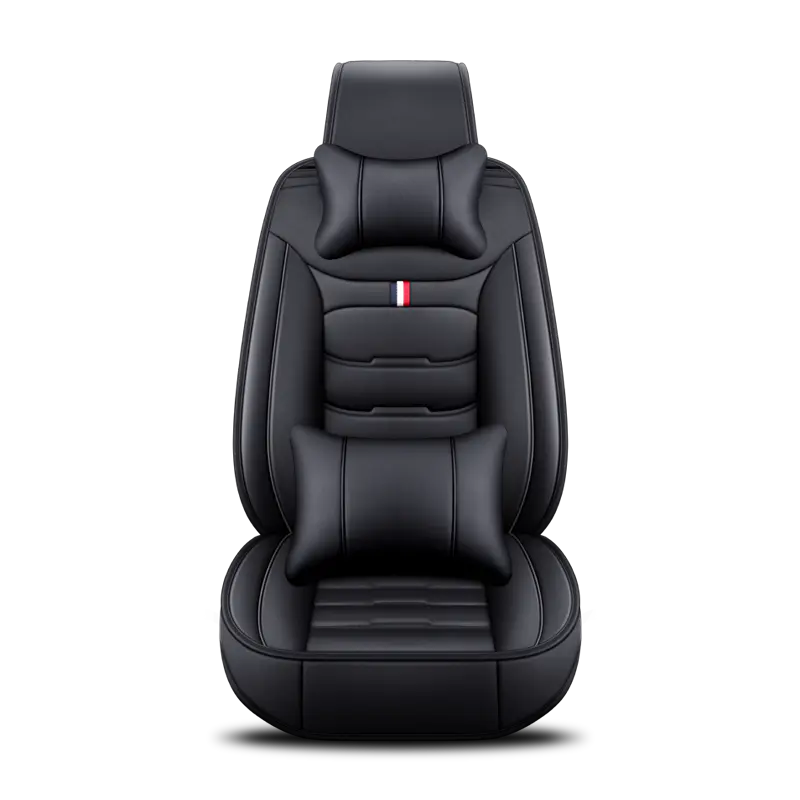
Waterproof leather is an choice for car seat cushions because it combines the durability and aesthetic appeal of traditional leather with enhanced resistance to moisture, making it suitable for the varying temperatures and conditions inside a vehicle.
The Origins and Production of Ice Silk Fabric
Ice silk, also known as "artificial silk" or "cooling fabric," is a synthetic material known for its smooth texture and cooling properties. It is commonly used in automotive seat cushions, particularly for its comfort and ability to regulate temperature. The material is made from a blend of synthetic fibers that mimic the properties of natural silk while offering additional benefits.
Source of Raw Materials: The main raw materials used in the production of ice silk fabric are synthetic fibers like polyester, nylon, and spandex. These fibers are derived from petrochemical sources and undergo a series of chemical processes to create the smooth, breathable texture that ice silk is known for. The fibers are processed to have a high moisture-wicking capacity, which helps keep the surface of the fabric cool and dry even in hot weather.
Manufacturing Process: The production of ice silk fabric begins with the creation of the synthetic fibers, which are then spun into yarn. The yarn is woven into a fabric that is designed to be lightweight, breathable, and stretchable. The fabric is treated with special finishes that enhance its cooling effect. These finishes help to improve the fabric's ability to absorb and release moisture, creating a sensation of coolness when it is in contact with the skin. The fabric's smooth texture and soft feel make it comfortable to sit on for long periods, even in warm environments.
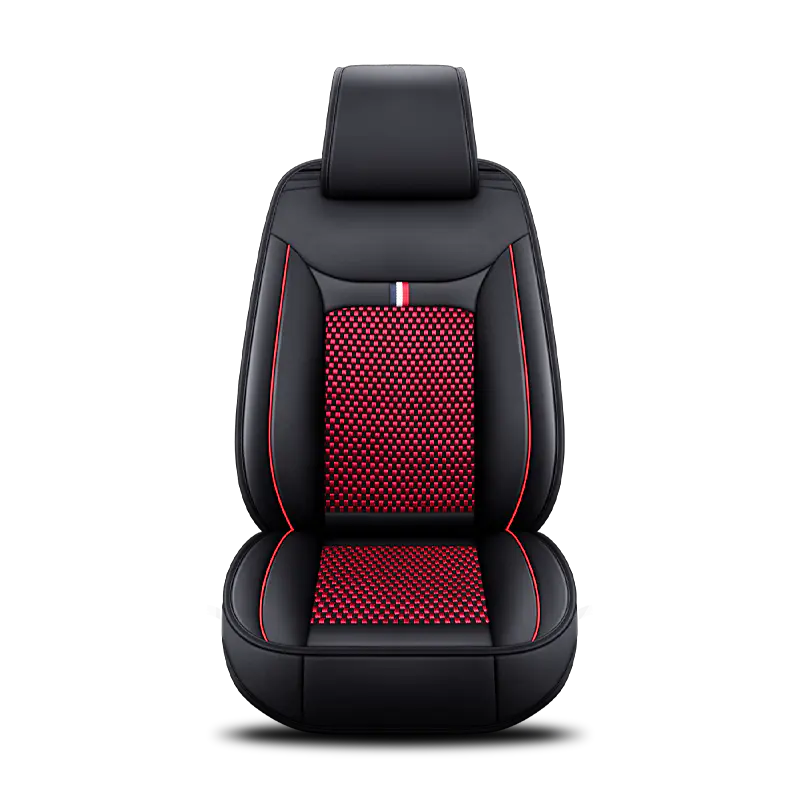
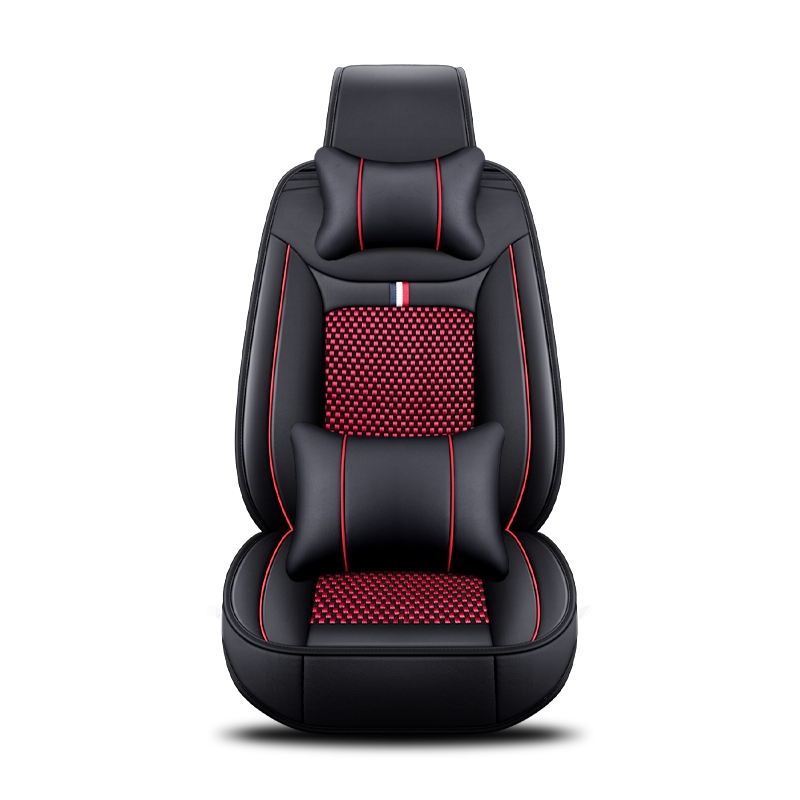
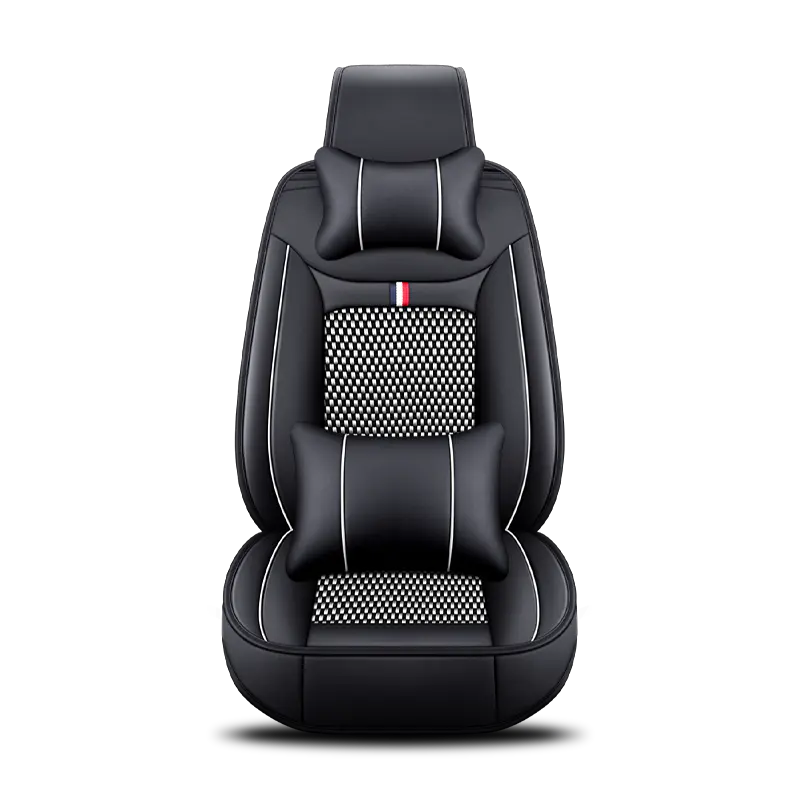
Cooling Effect: The cooling properties of ice silk come from its ability to absorb moisture from the skin and release it into the surrounding air. When a person sits on an Waterproof Leather & Ice Silk Car Seat Cushion, the fabric pulls heat away from the body, giving a cooling sensation. This makes ice silk ideal for car seat cushions, especially in regions with hot climates, as it helps regulate body temperature and prevents discomfort from sweating or overheating.
Ice silk is also durable, lightweight, and resistant to wrinkles, making it a practical material for car seat cushions. Its ability to keep the seating surface cool and dry, along with its comfort and versatility, makes it a popular choice for modern car interiors.
The Combination of Waterproof Leather and Ice Silk in Car Seat Cushions
When it comes to car seat cushions, the combination of waterproof leather and ice silk fabric offers a balance of durability, comfort, and functionality. Both materials are carefully selected for their specific properties, and together, they address multiple concerns that arise in automotive seating.
Water Resistance and Comfort: The waterproof leather component ensures that the seat cushion can withstand exposure to moisture, making it ideal for maintaining cleanliness and comfort. Leather's natural resistance to wear and tear is complemented by the waterproof treatment, which protects the material from damage caused by liquids, spills, and sweat. On the other hand, the ice silk fabric provides a cooling effect, keeping the seat comfortable and dry, even in warm conditions.
Aesthetic Appeal and Practicality: The combination of leather and ice silk gives the car seat cushion an upscale appearance while offering practical benefits. Leather provides a sleek, luxurious look, while the ice silk fabric adds a modern touch with its soft texture and functional properties. The blend of these materials enhances the overall interior of the vehicle, making the seats both attractive and practical for daily use.
Durability and Ease of Maintenance: The waterproof leather is durable and resistant to stains and spills, while the ice silk fabric is easy to clean and maintain. Together, they create a long-lasting seat cushion that stands up to regular use and is easy to care for. The materials are also resistant to fading, ensuring that the cushion retains its aesthetic appeal over time.