 English
 中文简体
中文简体 русский
 Español
 عربى
عربىWhat is the primary function of an aftermarket car seat cushion, and who benefits from using one?
Aftermarket car seat cushions are designed to modify the existing seating surface to address specific comfort or health needs. Their primary function is to provide additional support and pressure distribution beyond what the OEM seat offers. They are not a replacement for a structurally damaged seat but an augmentation of its interface with the occupant.
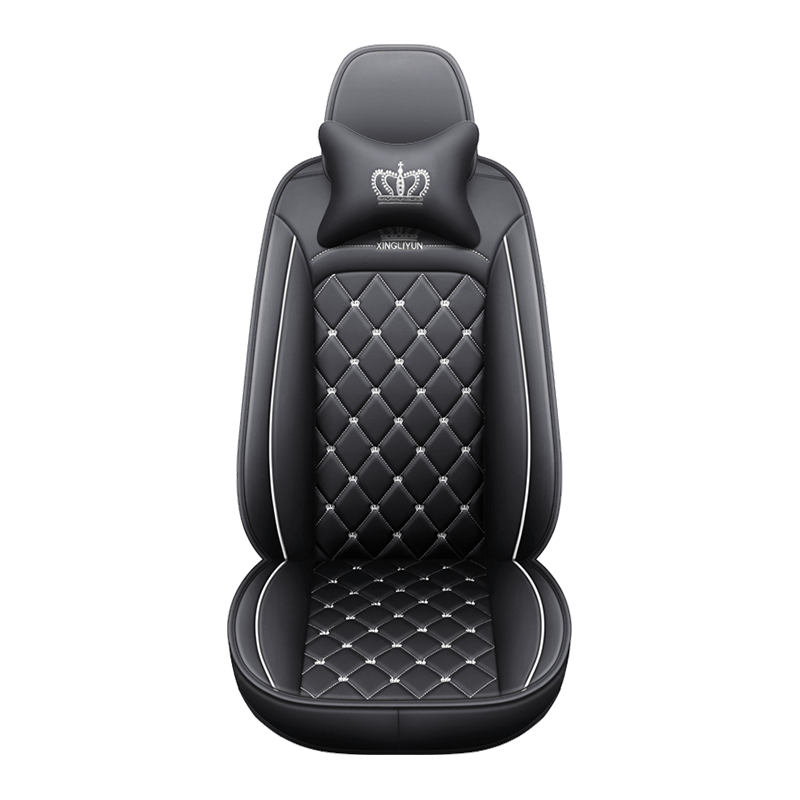
Several groups commonly find them beneficial. Individuals who experience discomfort from prolonged sitting, such as those with long commutes or professional drivers, may use cushions to reduce pressure points on the tailbone (coccyx) and thighs. People with certain physical conditions, including lower back pain, sciatica, or hemorrhoids, may use specialized orthopedic or donut-style cushions to alleviate pressure and promote better spinal alignment. Furthermore, drivers or passengers of vehicles with seats that have worn out or degraded foam may use a cushion to restore a level of support and padding that the original seat no longer provides.
What are the main types of aftermarket seat cushions, and how do they differ?
Aftermarket cushions can be categorized by their material composition and intended support structure, each offering different characteristics.
Foam Cushions: These are made from various densities of polyurethane, memory foam, or gel-infused foam. High-density foam provides firm, consistent support. Memory foam contours slowly to the body's shape, distributing weight evenly but may retain heat. Gel-infused variants aim to mitigate heat retention. They are generally used for general comfort and pressure relief.
Orthopedic and Wedge Cushions: These are ergonomically shaped. A wedge cushion, which is thicker at the front, tilts the pelvis slightly forward. This can help maintain the spine's natural lumbar curve for some users. A coccyx cushion has a U-shaped cutout at the back to completely offload pressure from the tailbone area.
Inflatable Air Cushions: These allow the user to adjust firmness by adding or releasing air. They are often used for dynamic pressure relief and can be useful for individuals who need to frequently change their sitting position or firmness level throughout the day.
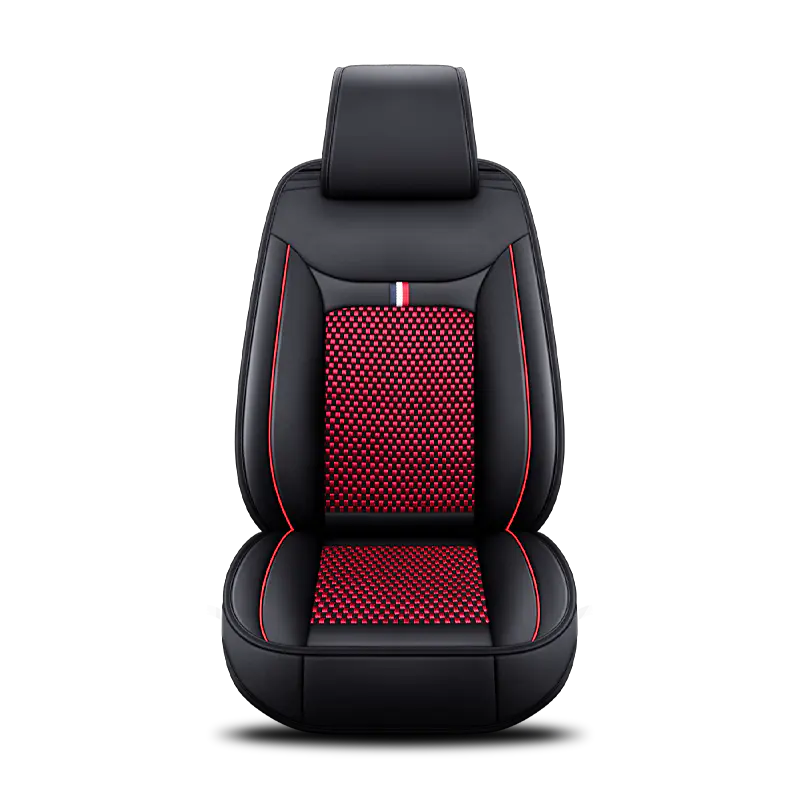
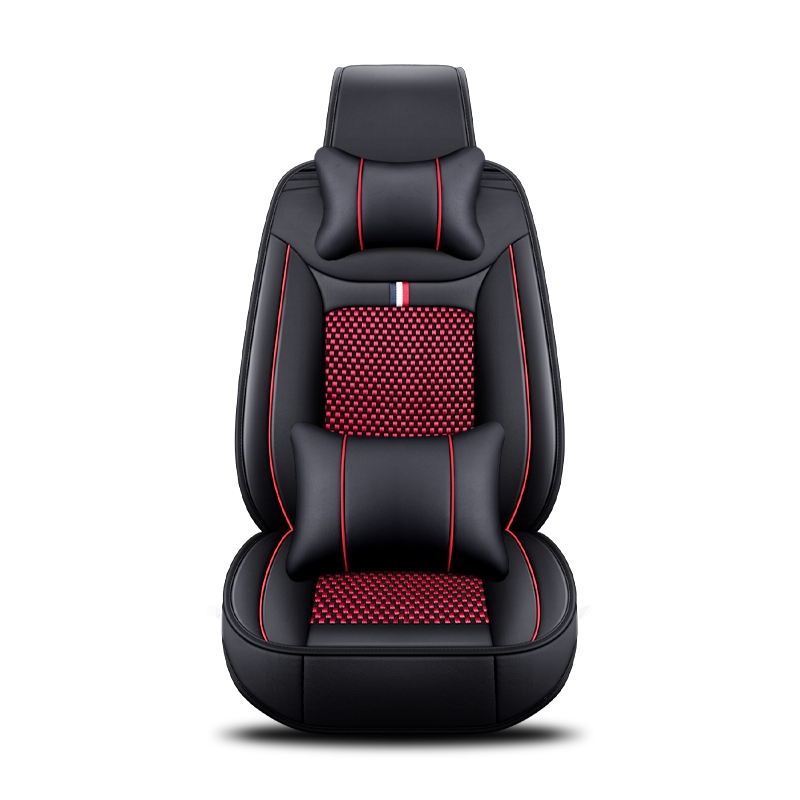
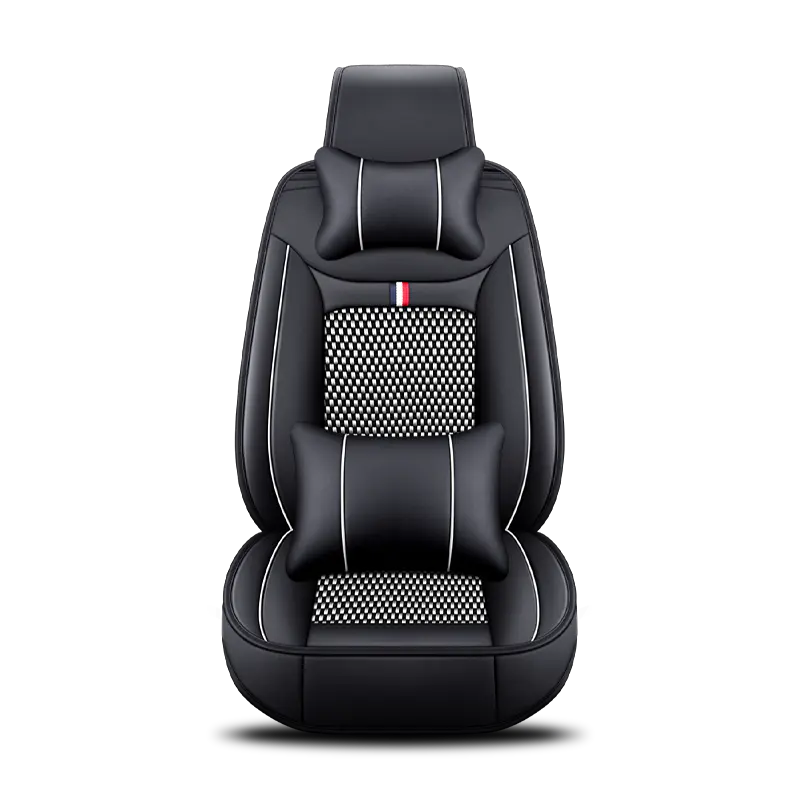
Beaded or Wooden Seat Covers: While not always a "cushion" in the traditional sense, these covers consist of numerous small beads or slats. They promote air circulation, reducing heat and moisture buildup, and provide a massaging effect through slight movement, but offer minimal pressure redistribution.
How does one select an appropriate seat cushion for a car?
Selection should be based on a clear understanding of the individual's need, the vehicle's seat design, and safety considerations. Identify the primary need: Is it for general comfort on long drives, targeted pressure relief for the tailbone, or improved lumbar and pelvic posture? This directs the type (e.g., flat pad vs. wedge vs. coccyx cutout). Second, consider material properties: For hot climates or if heat buildup is a concern, gel-infused foam or beaded covers may be preferable to standard memory foam. Third, assess size and fit: The cushion should fit securely on the seat pan without shifting during driving, and it should not impede access to seat controls or safety belt functions. It should not be so thick that it raises the occupant excessively, affecting sight lines or steering wheel reach. Finally, safety is important: The cushion must not interfere with the operation of the vehicle's built-in seat-mounted side airbags. Many manufacturers design cushions that are airbag-compatible, often with open sides or specific securing straps.
What are important usage and maintenance considerations?
Proper use is necessary for both effectiveness and safety. The cushion should be positioned correctly according to its design—for instance, a wedge cushion must be oriented with the thick end forward. It must be secured; many models have non-slip bottoms or straps that attach to the seat back to prevent sliding during cornering or braking. From a maintenance perspective, foam and fabric-covered cushions require regular cleaning according to the manufacturer's instructions to prevent the buildup of sweat, dirt, and oils. They should be inspected periodically for signs of permanent deformation or compression, as this indicates the material is no longer providing its intended support and may need replacement. For inflatable models, checking for leaks is part of routine maintenance.
Car seat cushions serve as functional interfaces aimed at improving seated comfort and support. Their value depends on selecting a type that matches a defined need, ensuring it fits and functions safely within the specific vehicle, and maintaining it appropriately. Understanding these factors allows users to make informed decisions about integrating an aftermarket cushion into their driving environment.