 English
 中文简体
中文简体 русский
 Español
 عربى
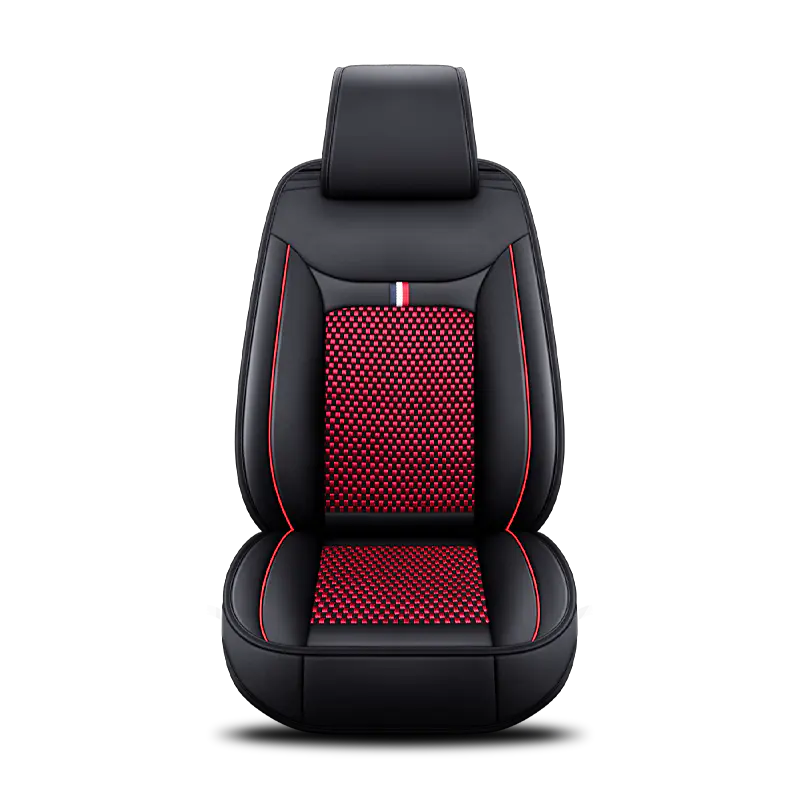
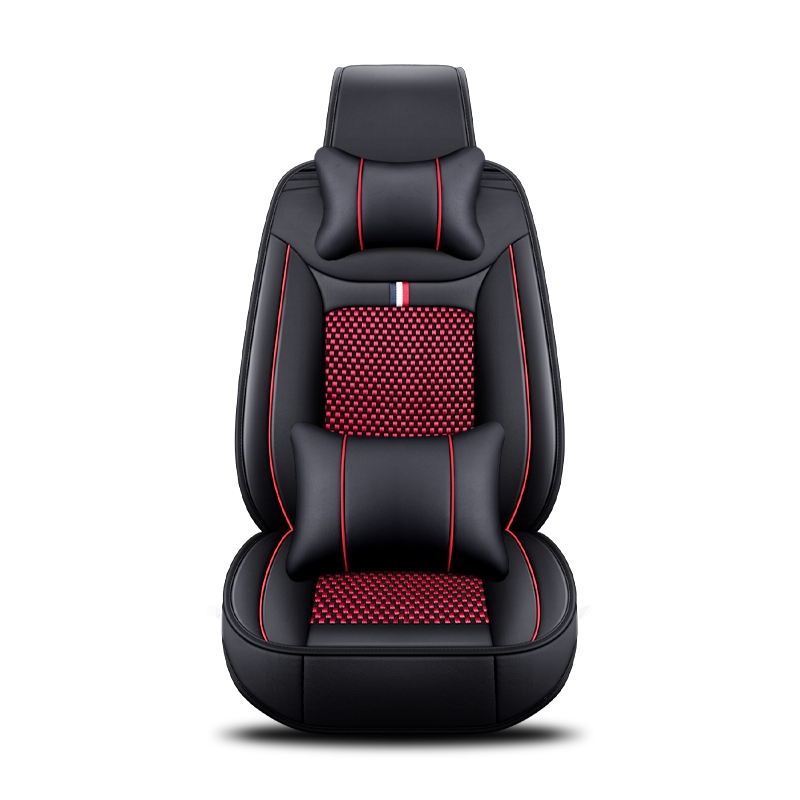
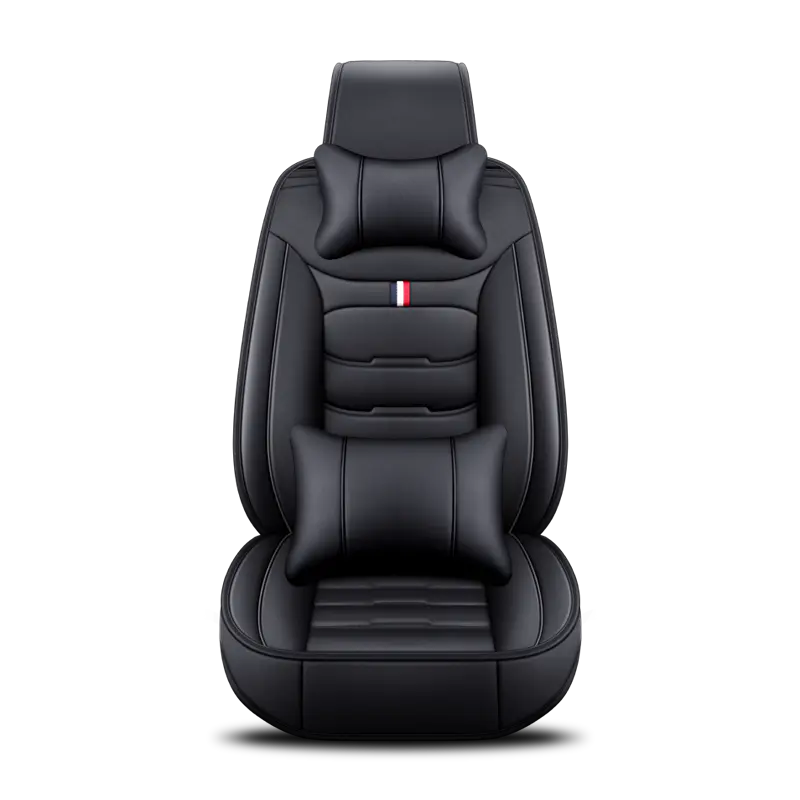
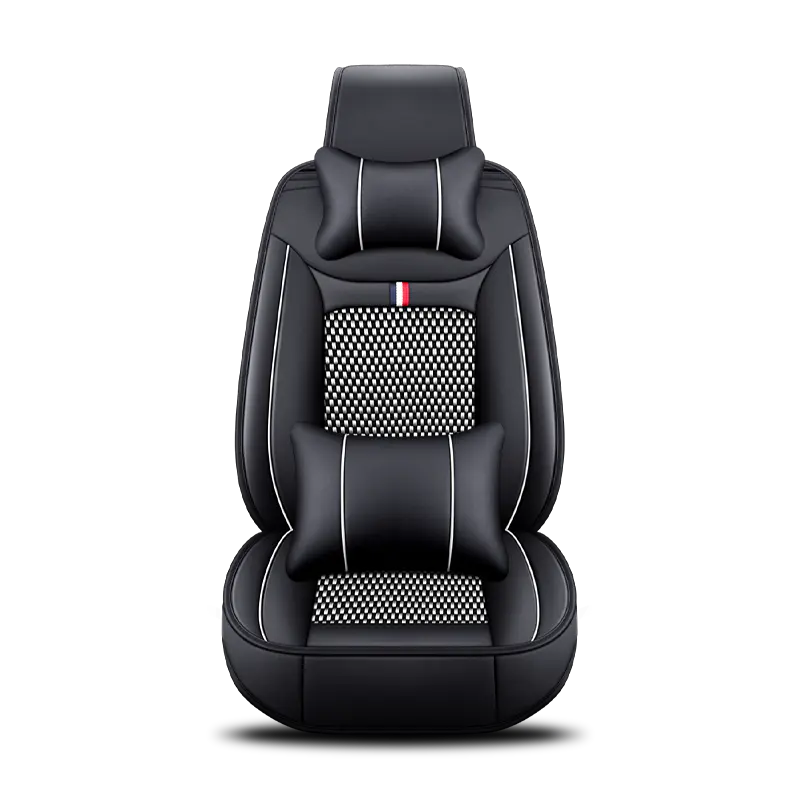
عربىWhat are the components of a Genuine Leather Auto Seat Cushion?
A genuine leather auto seat cushion is a multi-layered structure. Its components, from the surface inward, are as follows:
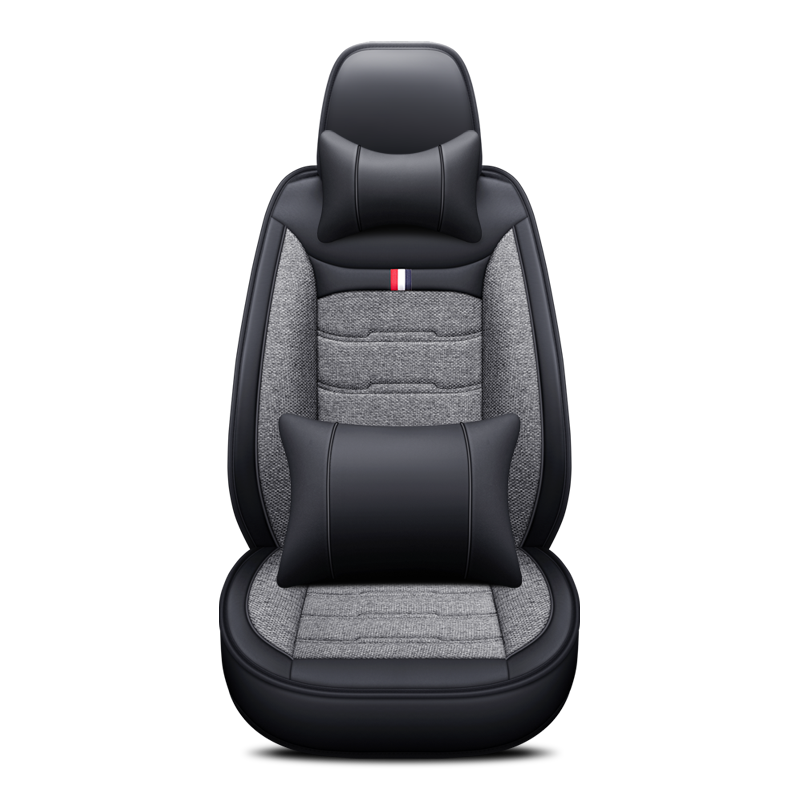
Genuine Leather Upholstery: This is the top-grain layer of animal hide, typically bovine. It undergoes tanning, dyeing, and a finishing process. A protective clear coat is usually applied to enhance stain resistance and ease of cleaning. The leather is cut and sewn into a cover that matches the seat's contours.
Foam Padding: Beneath the leather cover are one or more layers of molded foam. High-resilience (HR) polyurethane foam is common. This layer provides the cushioning and support, absorbing pressure and contributing to the seat's shape and comfort. Different density foams may be used in specific areas for variable support.
Scrim Layer or Insulating Cloth: A thin, non-woven fabric scrim or a woven insulating cloth is often placed between the leather and the foam. This layer prevents the foam from adhering to the leather backing, allows for easier assembly, and can provide a degree of thermal insulation.
Sewing Thread and Reinforcement: Heavy-duty, synthetic threads (like polyester) are used to sew the leather panels together. Areas of high stress, such as seams and edges, are reinforced with additional backing tapes or fabrics to prevent tearing.
Attachment System: The leather cover incorporates features for securing it to the cushion core. These include listing rods (wires sewn into hems), hog rings (metal clips), or hook-and-loop fasteners that attach to the foam or a substrate frame.
Cushion Core/Frame: The foundational support is a molded plastic or composite frame, often incorporating steel springs or a webbed suspension system. The main foam block is molded onto or attached to this core, giving the cushion its structural form.
Why does a Genuine Leather Auto Seat Cushion exist?
The use of genuine leather in this application is driven by a combination of material properties, market expectations, and historical precedent.
Material Durability and Aging Characteristics
Leather is a fibrous material known for its tensile strength and resistance to abrasion. With proper care, it can outlast many textile alternatives, making it a durable surface for high-use areas like car seats. Unlike some materials that show uniform wear, leather often develops a patina—a gradual change in sheen and texture—which some consumers view as a desirable, character-adding process rather than simple degradation.
Perceived Value and Aesthetic Appeal
In automotive marketing and consumer perception, leather upholstery has long been associated with higher trim levels and luxury. Its texture, smell, and visual appearance contribute to an interior environment that many buyers associate with quality and premium status. It offers a distinct aesthetic that differs from cloth, vinyl, or synthetic leathers.
Maintenance and Cleanability
The non-porous, finished surface of automotive leather is easier to wipe clean of spills and dust compared to many woven textiles. Routine maintenance with conditioners is a known process. This ease of surface cleaning is a functional reason for its selection in environments where messes are likely, such as family vehicles, though it requires periodic conditioning to maintain flexibility.
Disadvantages of Genuine Leather Auto Seat Cushion
Alongside its noted attributes, genuine leather upholstery presents several practical drawbacks.
Thermal and Tactile Comfort Issues
Leather exhibits poor insulation properties. In cold weather, it becomes noticeably cold to the touch and can take time to warm from cabin heaters. Conversely, in hot weather or after direct sun exposure, it can become uncomfortably hot and may contribute to occupant perspiration due to its lack of breathability compared to ventilated textiles.
Maintenance Requirements and Vulnerability
Leather is a material that requires consistent upkeep to preserve its condition. It is susceptible to drying, cracking, and fading if not regularly cleaned and treated with specific conditioners. It is also vulnerable to damage from sharp objects, UV radiation from prolonged sun exposure, and staining from certain oils or ink. Repairing scratches, cracks, or dye transfer stains can be difficult and expensive.
Cost and Ethical Considerations
Genuine leather is generally more costly to produce than high-quality synthetic alternatives, contributing to a higher vehicle purchase price or option cost. This cost is linked to the resource-intensive processes of raising livestock, tanning, and finishing. For some consumers, the use of animal-derived materials raises ethical or personal preference concerns, leading them to prefer high-performance synthetic options.
Variability and Wear Patterns
Being a natural material, leather can have inherent variations in grain, texture, and color, even within the same hide or between hides. Over time, it may develop permanent creases in high-flex areas (like the seat bolster) and show a distinct wear pattern that some may find undesirable, contrasting with the more uniform aging of synthetic materials.