 English
 中文简体
中文简体 русский
 Español
 عربى
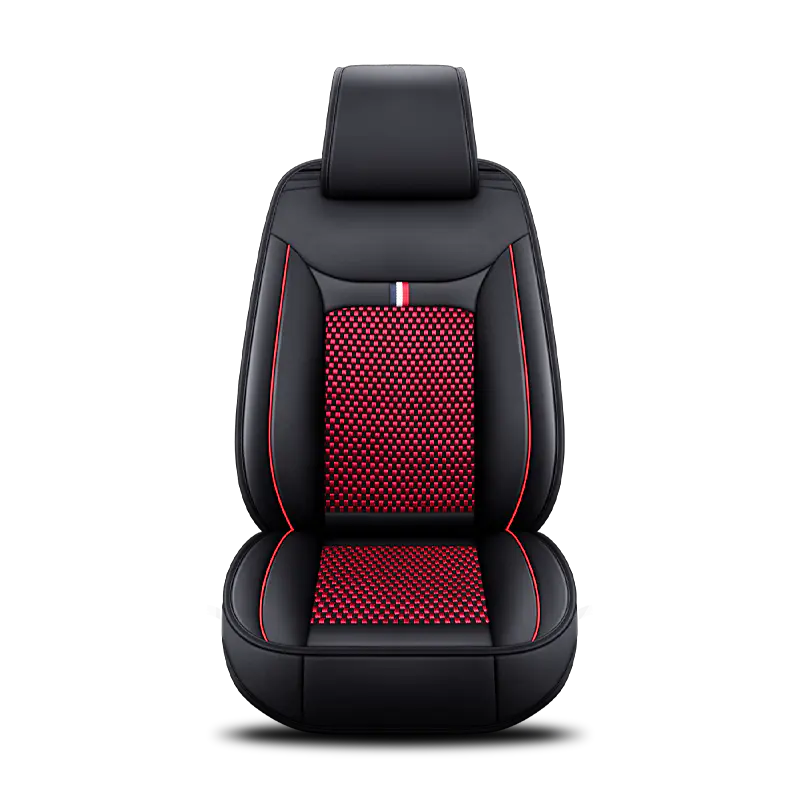
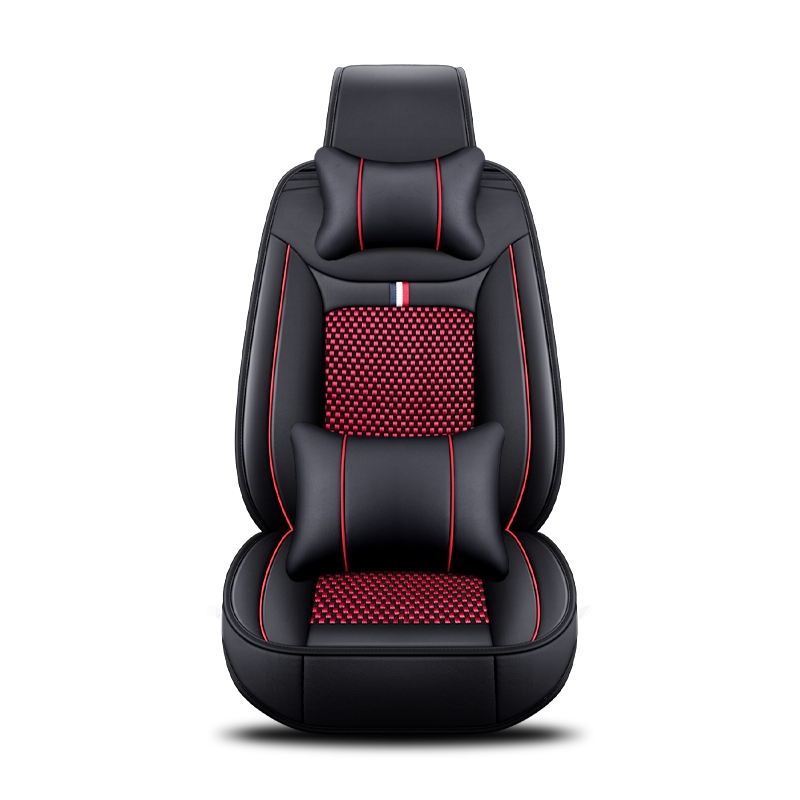
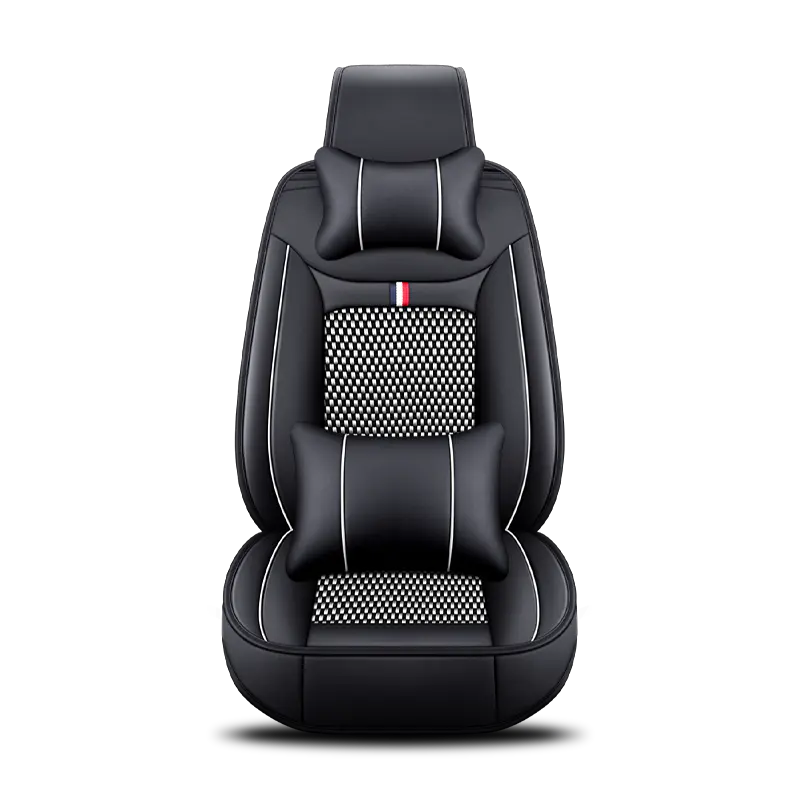
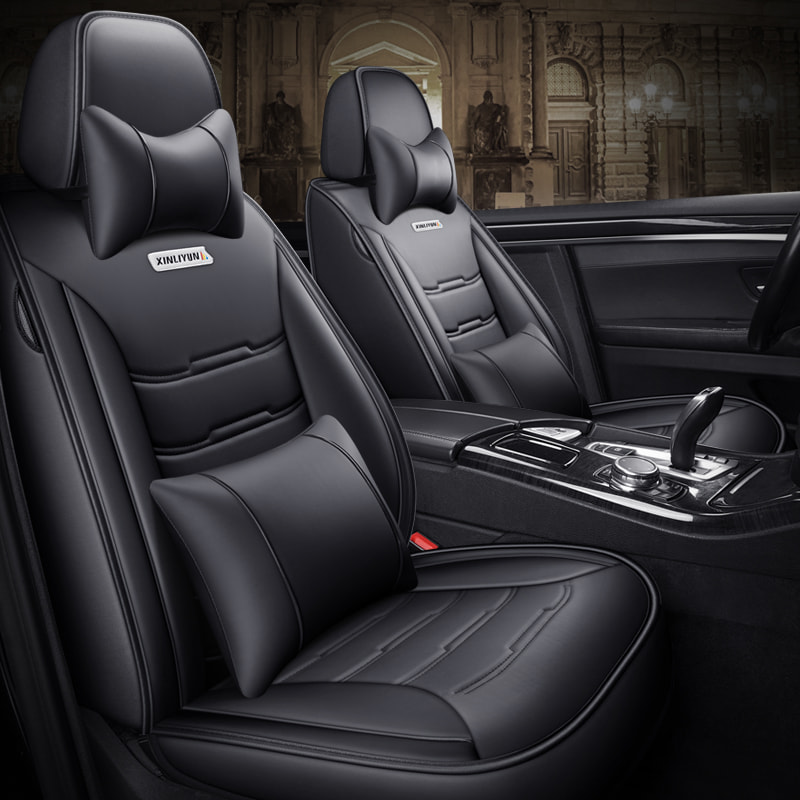
عربىLong-distance driving puts very different demands on a car seat compared with a short daily commute. Sitting for two or three hours can make heat, moisture, pressure, and small changes in posture much more noticeable. Seat-cover material therefore has a direct influence on how the seating area feels throughout a journey. A Breathable Leather Car Seat Cover uses surface perforations, layered construction, and shaped padding to address several of these comfort factors.
Leather is often associated with a smooth, enclosed surface. Traditional solid leather or synthetic leather can retain heat against the body, particularly under direct sunlight. Perforated leather changes this structure by introducing small openings across selected seating zones. These openings create additional pathways for air movement and can help reduce the hot, sticky sensation that appears during extended driving. Current breathable seat-cover designs commonly combine perforated leather with cushioning and non-slip backing to balance comfort, stability, and protection.
Heat Management Becomes More Noticeable on Long Trips
Short journeys may not reveal much difference between solid and perforated seat materials. Extended driving is another situation. Body heat remains concentrated around the contact area for a long period, while the seat surface receives continuous pressure from the driver.
- Perforated surface: Small openings can provide additional air passages around the seating surface.
- Reduced heat buildup: Air movement can help dissipate some heat from the contact area.
- Lower moisture sensation: Ventilated construction can reduce the clammy feeling associated with trapped perspiration.
- Better warm-weather usability: Breathable materials are particularly relevant to drivers who spend several hours inside the vehicle during hot weather.
Some current seat-cover products use thousands of perforations across the seating surface, while other designs rely on a smaller perforation pattern combined with breathable mesh or layered foam. The exact airflow effect depends on hole size, spacing, backing material, foam density, and the construction of the original vehicle seat.
Material Alone Does Not Determine Comfort
Calling a seat cover “breathable” does not automatically mean that every driver will experience the same level of comfort. Surface construction is only part of the seating system. Padding thickness, foam resilience, contour shape, stitching, and the relationship between the cover and the original seat also matter.
Surface Perforation
Perforation is one of the clearest design differences between ventilated leather and solid leather. Closely spaced openings can increase the available pathways for air and moisture movement. A product page for a breathable Nappa leather cushion, for example, describes a densely perforated surface combined with a slim contour design and PU non-slip backing.
Padding Thickness
Extra padding can improve pressure distribution, but excessive thickness may change the original seating position. Some leather seat-cover designs use memory foam or other cushioning layers to provide additional support during extended journeys. One current leather cover design uses a 1/2-inch memory-foam center, illustrating how material and cushioning can work together rather than relying on leather alone.
Contour and Edge Construction
A cover that follows the original seat shape tends to feel more integrated with the vehicle interior. Slim wrapped edges can reduce loose material around the seat surface, while reinforced stitching helps maintain the shape of the cover during repeated use. Some current products use approximately 3 mm wrapped edges for a closer contour around the original seat.
Why Long-Distance Drivers Notice Small Design Details
Comfort during a ten-minute trip is relatively easy to achieve. A long road trip exposes weaknesses that remain unnoticed during short drives. Pressure remains concentrated in the same regions, body temperature gradually increases, and drivers make frequent small posture adjustments.
- Seat-base pressure: Cushioning can influence how pressure is distributed beneath the thighs and hips.
- Backrest contact: A properly shaped cover can maintain closer contact with the original seat contour.
- Surface temperature: Perforated construction can help reduce the enclosed feeling associated with a solid surface.
- Material friction: A stable surface can reduce unwanted movement between the driver and the seat.
These factors become particularly relevant during highway driving, business travel, road trips, and professional driving applications where several hours behind the wheel are common.
Breathability Should Work With Seat Stability
Airflow is useful only when the cover remains correctly positioned. A loose cushion can bunch beneath the driver, while excessive movement may change the seating position during steering, braking, or repeated entry and exit.
Many breathable leather designs therefore combine the upper material with anti-slip backing, fastening straps, elastic sections, or other positioning systems. PU non-slip backing is used on some current perforated leather cushion designs to help maintain contact with the original seat.
Stable positioning is especially important for a long-drive product. A comfortable material cannot compensate for a cover that shifts, folds, blocks seat controls, or changes the driver's seating posture.
Technical Details Worth Checking
Buyers comparing a Breathable Leather Car Seat Cover can look beyond the word “breathable” and examine measurable construction details.
- Material: PU leather, Nappa-style leather, genuine leather, mesh, or a layered combination.
- Perforation: Hole diameter, spacing, coverage area, and distribution across the seating zone.
- Padding: Foam type and thickness can influence pressure distribution and seat height.
- Edge profile: Slim wrapped edges can provide closer contact with the original seat contours.
- Backing: Non-slip materials can help reduce sliding during daily use.
- Stitching: Reinforced seams can improve dimensional stability under repeated loading.
These specifications offer a more practical way to compare products than relying solely on labels such as “premium,” “luxury,” or “comfortable.”
Seat Functions Still Matter
Modern vehicles can include heated seats, ventilated seats, side airbags, occupancy sensors, adjustable lumbar systems, and split rear-seat configurations. A seat cover needs to work around these functions rather than simply covering the upholstery.
Some current seat-cover manufacturers specifically design seams around side-airbag deployment areas, while certain products state compatibility with heated or ventilated seats. However, compatibility depends on the particular vehicle and cover construction.
- Keep side-airbag zones unobstructed.
- Check access to seat-belt buckles and adjustment controls.
- Confirm that padding does not interfere with seat sensors.
- Check how the cover affects heated or ventilated seat performance.
- Verify that the cover stays flat after installation.
Does Breathable Leather Make a Difference?
For drivers who regularly spend extended periods behind the wheel, breathable leather can change the overall seating experience. The benefit does not come from leather alone. It comes from the interaction between perforated surface design, airflow pathways, cushioning, seat contour, and stable installation.
A well-designed Breathable Leather Car Seat Cover can help manage heat and moisture while providing a more refined seating surface. Perforations address airflow, cushioning addresses pressure distribution, and a properly fitted backing helps keep the cover stable. These elements become increasingly noticeable as driving time increases.
Long-drive comfort is therefore better viewed as a combination of material engineering and seat design rather than a simple question of leather versus fabric. Drivers comparing different covers can pay attention to perforation density, material layers, padding thickness, contour design, fastening structure, and compatibility with vehicle safety systems. Those details provide a clearer picture of how a seat cover may perform after several hours on the road.