 English
 中文简体
中文简体 русский
 Español
 عربى
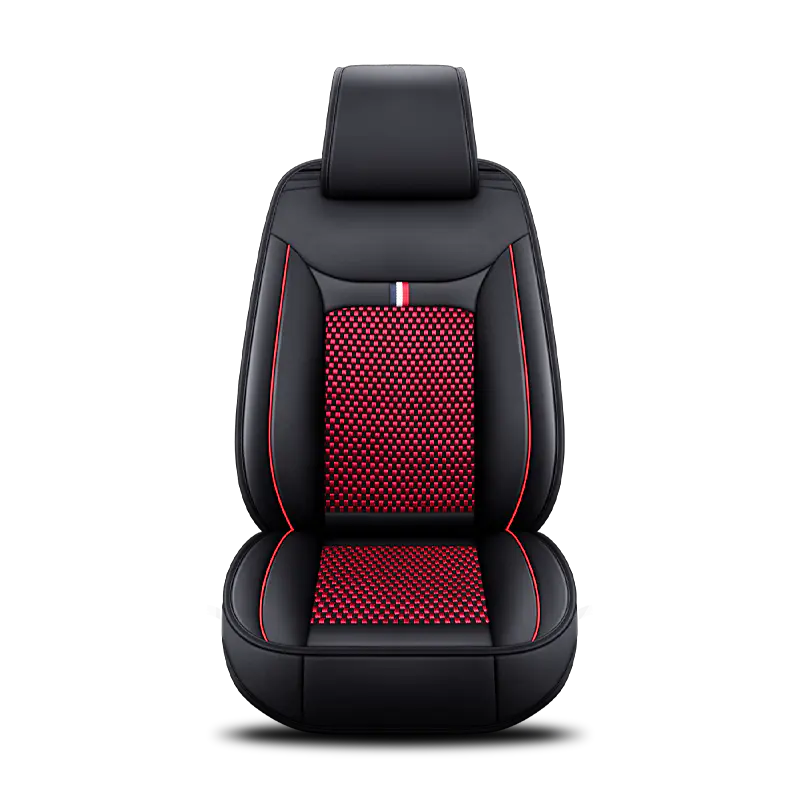
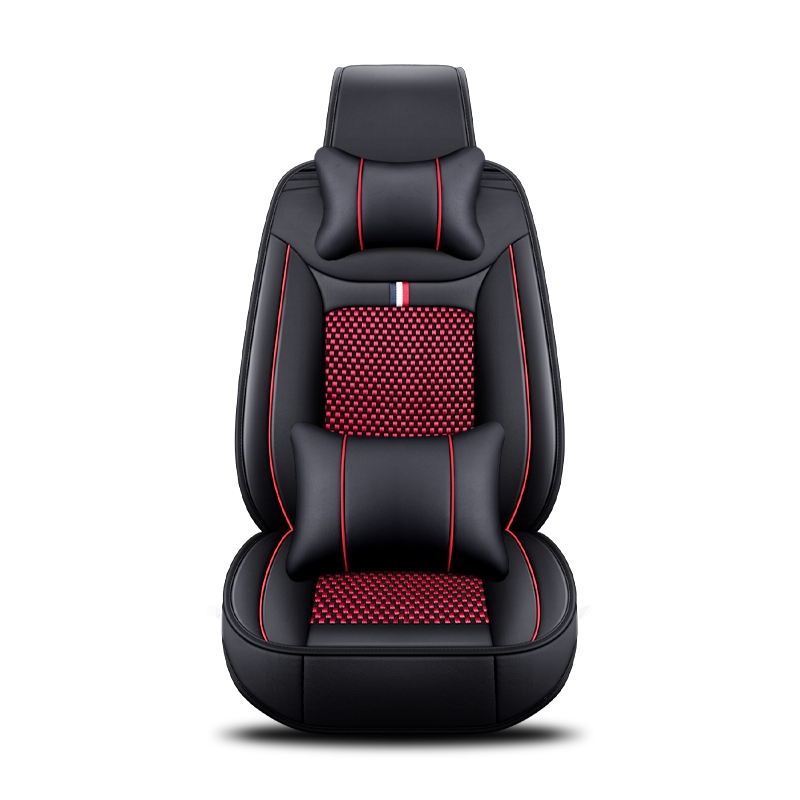
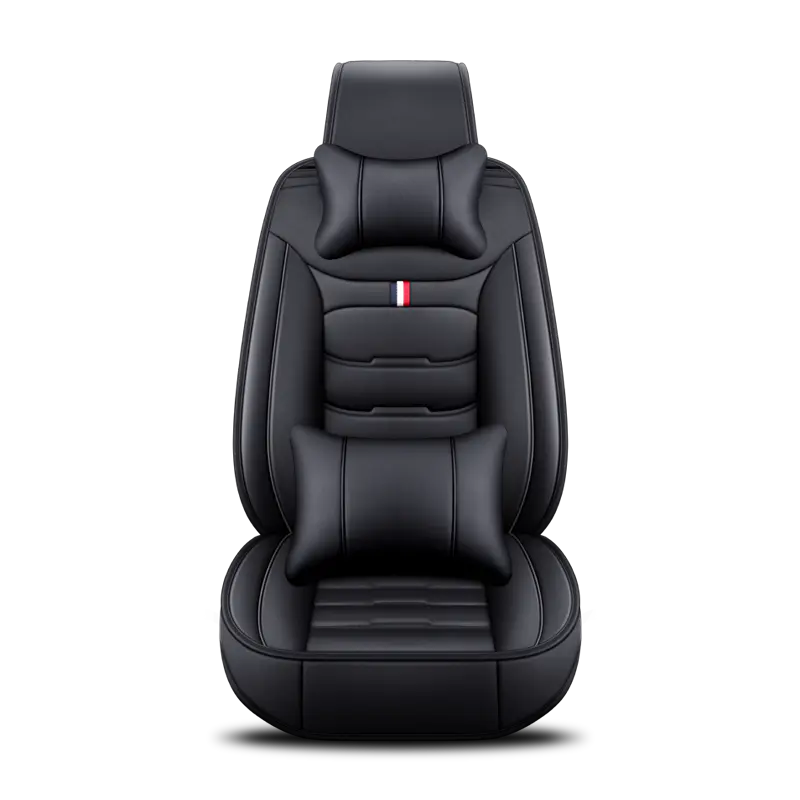
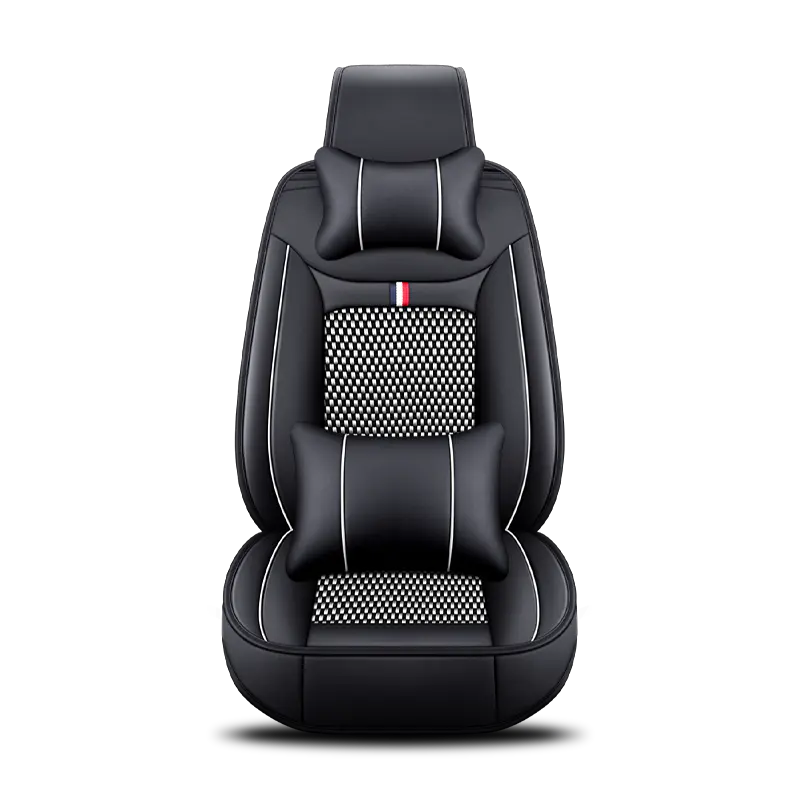
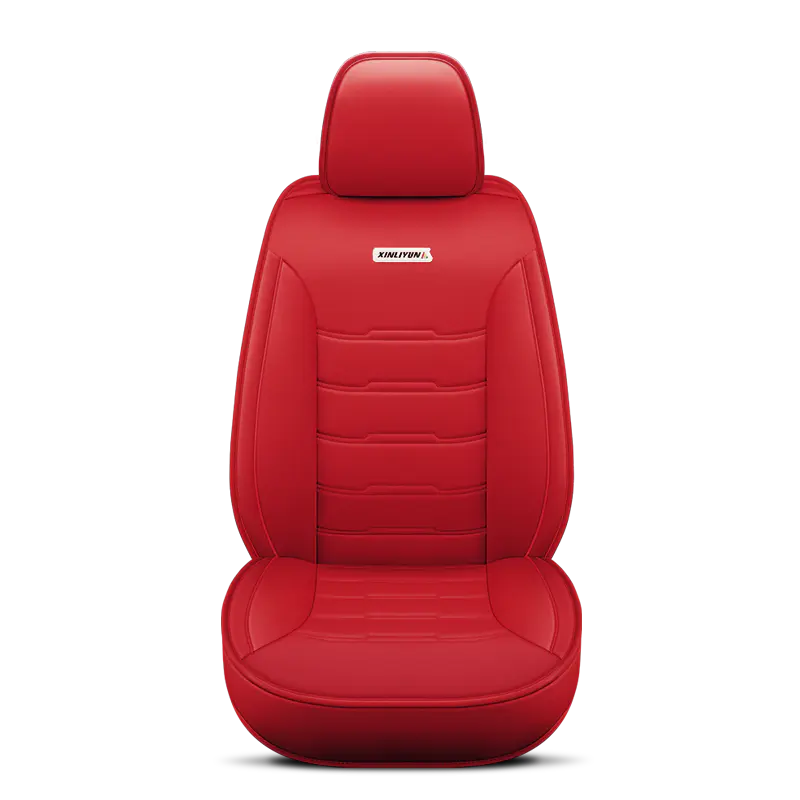
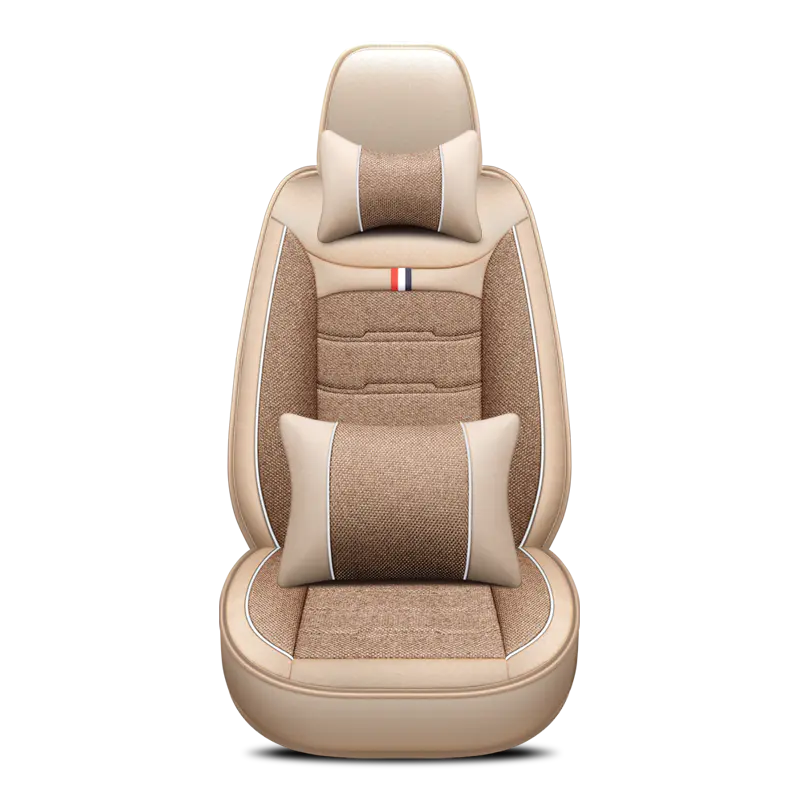
عربىLong-distance driving can test more than a vehicle’s performance. Hours behind the wheel may create pressure around the lower back, hips, and shoulders, especially when the original seat design does not provide enough ergonomic support. Many drivers now look beyond standard seat accessories and consider solutions such as Back Support Seat Covers For Cars to improve daily driving comfort and create a more supportive seating environment.
Modern back support covers are designed with features such as memory foam layers, breathable fabrics, adjustable straps, and contoured shapes that follow the natural curve of the body. These designs aim to provide additional support without requiring major changes to the original vehicle seat. Research and product reviews on car lumbar supports often highlight the importance of maintaining a comfortable sitting posture during extended driving periods.
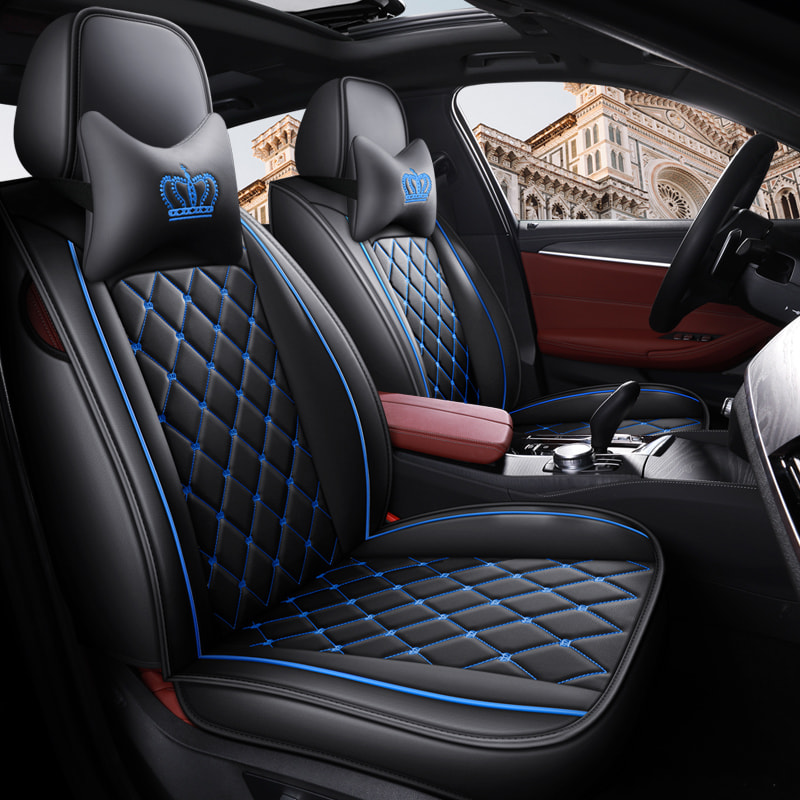
Why Long Drives Create Back Discomfort
A car seat keeps the body in a fixed position for a long time. Unlike walking or standing, driving limits natural movement, which may increase pressure on certain areas. A seat with insufficient lumbar support can make the lower back curve flatten, causing drivers to adjust their posture frequently.
Common discomfort factors during long trips include:
- Continuous pressure around the lumbar area.
- Limited movement of the lower back and hips.
- Road vibration transferred through the seat structure.
- Poor alignment between the driver’s body shape and seat design.
A supportive seat accessory can help distribute pressure more evenly and create a more relaxed driving position. However, the result depends on the driver’s body shape, seat design, and adjustment method.
How Back Support Seat Covers Improve Driving Experience
The main purpose of a back support seat cover is to add an ergonomic layer between the driver and the original seat. Instead of replacing the entire seat system, these covers provide targeted support in key areas.
1. Improved Lumbar Support Structure
Many products use a curved lumbar area that fills the gap between the lower back and the seat. This structure helps maintain a more natural sitting posture by supporting the lumbar region.
Typical product specifications may include:
- Memory foam thickness: approximately 20–50 mm depending on the design.
- Support frame: flexible plastic or reinforced internal structure for shape retention.
- Surface material: breathable mesh, polyester fabric, PU leather, or genuine leather options.
- Installation: adjustable elastic straps or buckle systems for secure positioning.
A well-designed lumbar section can reduce the feeling of pressure concentration during long commutes, highway travel, and professional driving tasks.
2. Memory Foam for Pressure Distribution
Memory foam has become a popular material in automotive comfort accessories because it adapts to body contours. Instead of creating a hard support point, high-density foam gradually adjusts according to body weight and sitting position.
Important material characteristics include:
- Density range: around 40–60 kg/m³ for automotive comfort applications.
- Recovery time: usually several seconds after compression.
- Temperature response: some foam materials become softer with body heat for improved fitting.
This type of cushioning is commonly used in ergonomic seat supports because it balances softness with structural stability.
3. Better Airflow During Extended Driving
Heat buildup is another common issue during long journeys. Traditional seat materials may trap warmth, especially during summer driving. Many modern seat covers add ventilation channels or mesh panels to improve airflow.
Breathable designs may include:
- 3D mesh fabric layers.
- Perforated leather or PU surfaces.
- Air circulation grooves inside foam structures.
These features help maintain a cooler contact surface and improve overall seating comfort.
Key Features Drivers Look For in Back Support Covers
Consumers usually consider several factors before adding a back support cover to their vehicle interior. Comfort is important, but practical details also influence the daily experience.
- Universal compatibility: designs that fit sedans, SUVs, trucks, and other vehicle categories.
- Stable installation: straps should prevent movement during driving.
- Easy cleaning: removable covers or wipe-clean surfaces improve convenience.
- Interior matching: colors and materials should coordinate with the original cabin style.
- Balanced thickness: excessive padding may affect seating position and driving control.
Are These Covers Suitable for Different Drivers?
Back support covers are used by many types of drivers with different needs. Daily commuters may appreciate additional comfort during repeated short trips, while professional drivers may value consistent support during longer working hours.
Common application scenarios include:
- Highway travel and road trips.
- Taxi and ride-sharing services.
- Delivery and commercial vehicle driving.
- Daily commuting with extended sitting time.
Some drivers also combine lumbar support covers with proper seat adjustments, including correct backrest angle and steering wheel position, to create a more comfortable driving posture.
Choosing the Right Design for Your Vehicle Interior
Different vehicles have different seat shapes, so a suitable cover should match the seat structure. A compact car may require a slimmer support profile, while larger vehicles may accommodate thicker cushioning designs.
Material selection also affects the overall experience:
- Fabric covers: lightweight, breathable, and suitable for daily use.
- PU leather covers: provide a stylish appearance with easier surface cleaning.
- Genuine leather options: offer a premium interior feeling with durable performance.
- Mesh designs: focus on ventilation and warm-weather comfort.
Back support covers can provide a practical way to upgrade vehicle seating comfort without replacing the original seats. Through ergonomic shaping, supportive materials, and adjustable installation systems, products such as Back Support Seat Covers For Cars help create a more comfortable environment for long-distance driving.
The right design depends on personal preference, vehicle type, and driving habits. With suitable support positioning and quality materials, a simple seat cover can become an important accessory for drivers who spend many hours on the road.