 English
 中文简体
中文简体 русский
 Español
 عربى
عربىCar interiors are changing quickly as modern vehicles add more advanced seat designs, safety features, and comfort technologies. From compact cars and family SUVs to pickup trucks and electric vehicles, seats are no longer simple cushions. They may include side airbags, heating systems, ventilation functions, electronic adjustments, and different seat shapes. These changes raise a common question among drivers: are Universal Automotive Seat Covers still suitable for today’s vehicles?
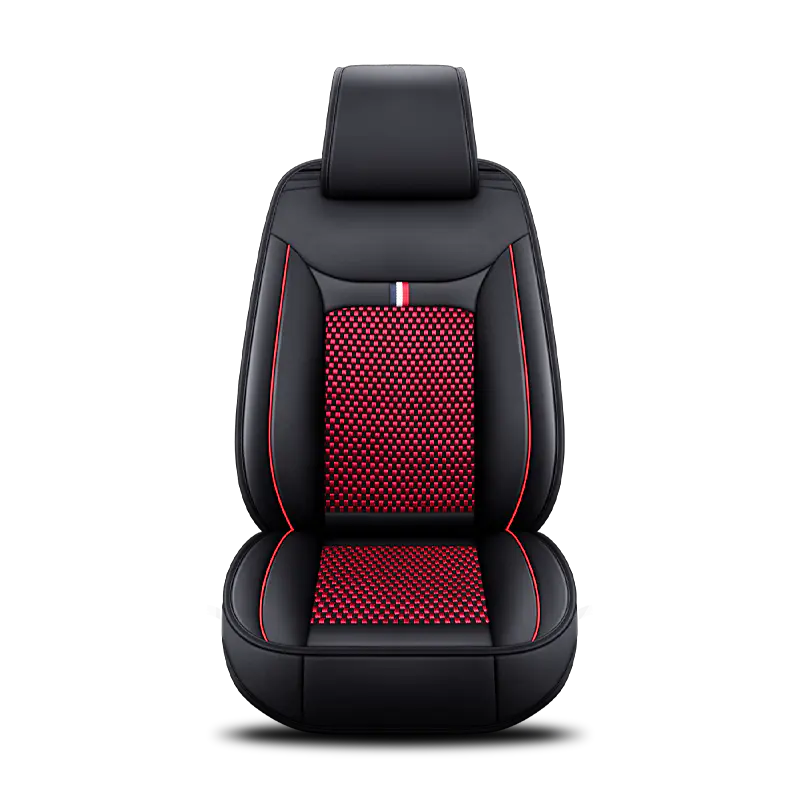
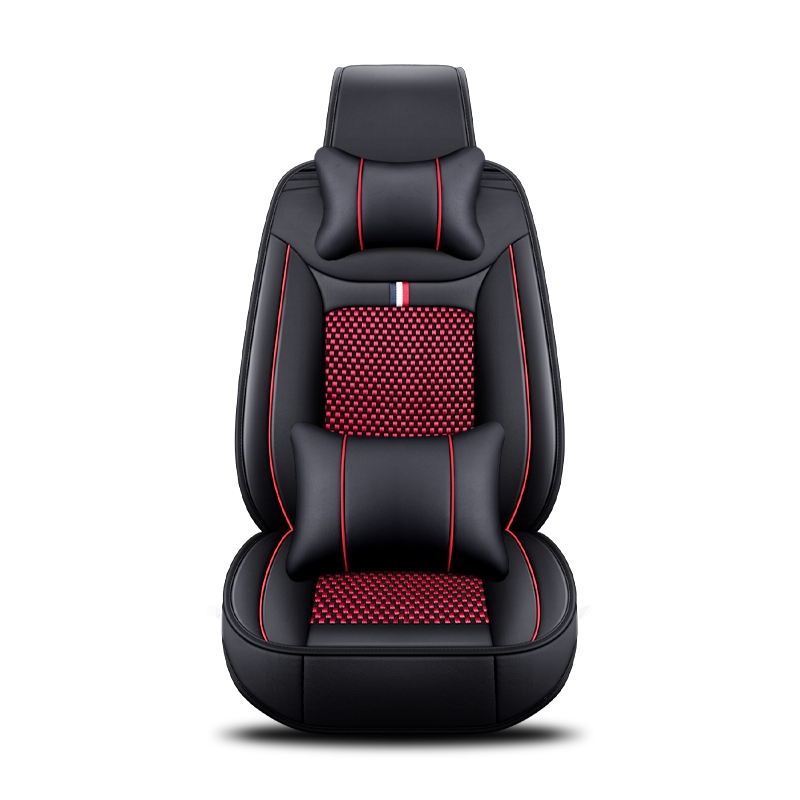
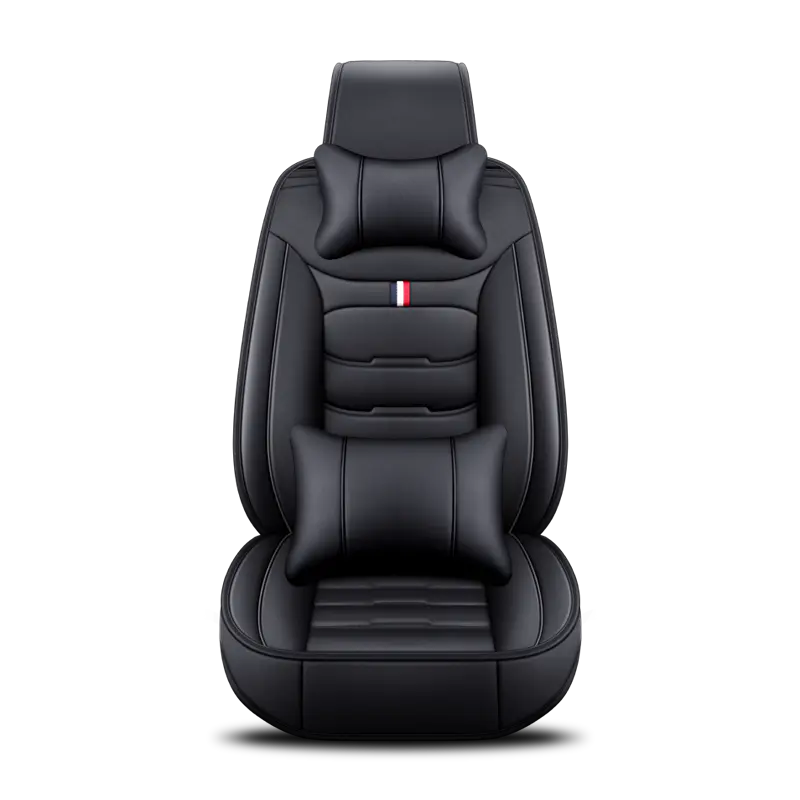
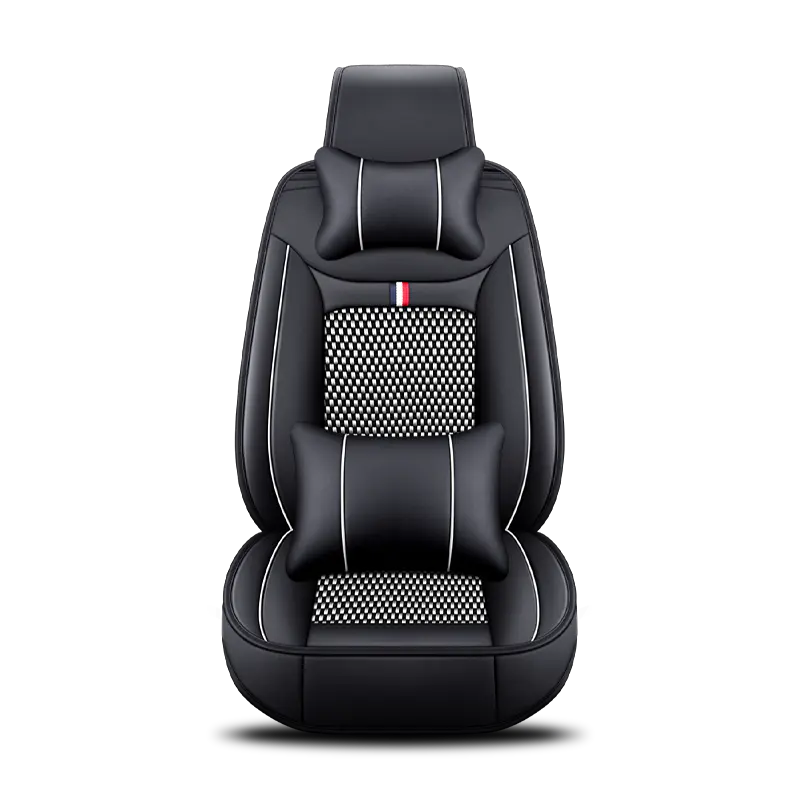
Modern universal seat covers have developed beyond simple fabric sheets. New designs use flexible materials, adjustable fastening systems, and improved patterns to provide wider compatibility. While they are not designed as an exact replacement for every factory seat, they can offer practical protection and interior upgrades across many vehicle categories when the design matches the seat structure.
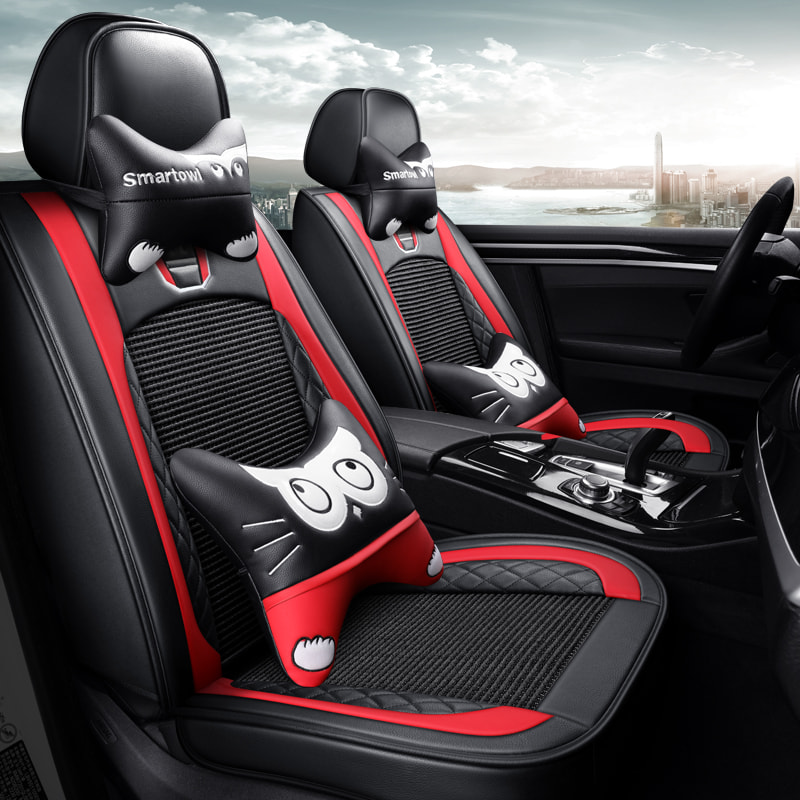
The Evolution of Universal Seat Cover Design
Earlier seat covers were mainly created to protect original upholstery from dust, stains, and daily wear. Their designs were usually simple, with limited adjustment options. Modern products focus on combining protection, appearance, comfort, and safety compatibility.
Current universal seat cover designs often include:
- Stretchable materials: Flexible fabrics allow the cover to adapt to different seat widths and shapes.
- Adjustable straps: Buckle systems and hooks help secure the cover and reduce movement.
- Segmented panels: Separate sections improve fitting around seat cushions and backrests.
- Safety-focused stitching: Special seam structures help maintain compatibility with side airbags on suitable models.
The meaning of “universal” has also changed. It generally refers to broad compatibility rather than one design fitting every vehicle without adjustment. Seat dimensions, headrest styles, armrests, and integrated electronics still influence installation results.
Why Modern Vehicles Need More Advanced Seat Covers
Vehicle interiors have become more complex. A simple cover design may not work well with seats that include additional functions. Consumers now pay attention to whether a cover can protect the seat while allowing normal use of built-in features.
1. Compatibility With Airbag Systems
Many modern vehicles use side airbags integrated into the seat structure. A suitable seat cover should consider the location of these airbags and use appropriate stitching areas that allow deployment paths to remain available.
Important design considerations include:
- Airbag-compatible side seams.
- Proper positioning around seat edges.
- Secure installation without excessive tension.
Safety compatibility has become one of the key factors consumers consider because poorly designed covers may interfere with important seat functions.
2. Adaptation to Different Seat Shapes
Modern vehicles feature many seat designs, including sporty bucket seats, wide SUV seats, split rear benches, and seats with larger side bolsters. Universal covers need enough flexibility to accommodate these differences.
Common adjustable ranges may include:
- Seat width: approximately 45–56 cm depending on product structure.
- Seat back height: adjustable designs can fit various passenger vehicle sizes.
- Material stretch: elastic fabrics may provide additional fitting tolerance.
Products using elastic polyester blends, neoprene, mesh fabrics, or synthetic leather are often designed with flexibility to handle different interior layouts.
Features That Make Universal Seat Covers More Practical
Drivers today expect more than basic seat protection. A useful universal seat cover should provide a combination of durability, comfort, and convenience.
Breathable Materials for Daily Driving
Temperature control has become an important part of interior comfort. Covers made with mesh fabric or breathable layers can improve airflow, especially during warm seasons.
- 3D ventilation mesh structures.
- Perforated synthetic leather surfaces.
- Moisture-resistant inner layers.
Water Resistance and Easy Cleaning
Many vehicle owners use seat covers to protect against coffee spills, food stains, pet hair, and outdoor dirt. Water-resistant coatings and removable designs make maintenance easier.
Popular protective features include:
- Water-resistant surface: Helps reduce liquid absorption.
- Anti-slip backing: Improves stability during driving.
- Washable materials: Supports repeated cleaning.
Are Universal Covers Suitable for Electric and New Energy Vehicles?
The rise of electric vehicles has introduced new interior concepts, including minimalist dashboards, unique seat materials, and different cabin layouts. Universal seat covers can still be suitable, but buyers need to pay attention to seat shape and integrated functions.
Important points for newer vehicles include:
- Checking whether seat sensors require special clearance.
- Confirming compatibility with heated or ventilated seats.
- Ensuring seat belt access remains convenient.
- Avoiding designs that affect folding rear seats.
As vehicle interiors become more technology-focused, seat cover manufacturers are developing more adaptable solutions instead of relying on basic one-size designs.
Universal Seat Covers vs Custom Fit Covers
Both universal and custom seat covers have their own advantages. The suitable choice depends on budget, vehicle usage, and personal expectations.
- Universal seat covers: Offer wider application, easier replacement, and flexible installation.
- Custom-fit covers: Provide a closer match to specific vehicle seats and interior contours.
Universal designs are often preferred by drivers who want quick protection and interior updates without investing in complete seat replacement. Custom options may be considered by users who require an exact factory-style appearance.
Common Applications of Universal Automotive Seat Covers
Because of their flexible design, universal seat covers are used across many vehicle types.
- Passenger cars: Protect original seats during everyday commuting.
- SUVs: Help maintain interiors used for family trips and outdoor activities.
- Pickup trucks: Provide additional protection against work-related dirt and wear.
- Fleet vehicles: Support easier interior maintenance across multiple units.
Future Trends of Universal Seat Cover Development
Future seat cover designs will likely focus on smarter materials, improved fitting technology, and stronger integration with modern vehicle systems. Consumers are expected to look for products that combine attractive styling with practical functions.
Possible development directions include:
- Temperature-regulating fabrics.
- Antibacterial surface treatments.
- More precise universal fitting systems.
- Lightweight materials with improved durability.
Universal seat covers have adapted to the changing automotive market. While modern vehicles present new challenges through advanced seat structures and safety technologies, improved materials and smarter designs allow Universal Automotive Seat Covers to remain a practical interior accessory.
The key is choosing a design that matches the vehicle’s seat structure, maintains important functions, and provides the protection and appearance drivers expect. With continued innovation, universal seat covers will continue evolving alongside modern vehicle interiors.